

How to Read & Understand a Roofing Estimate / Proposal
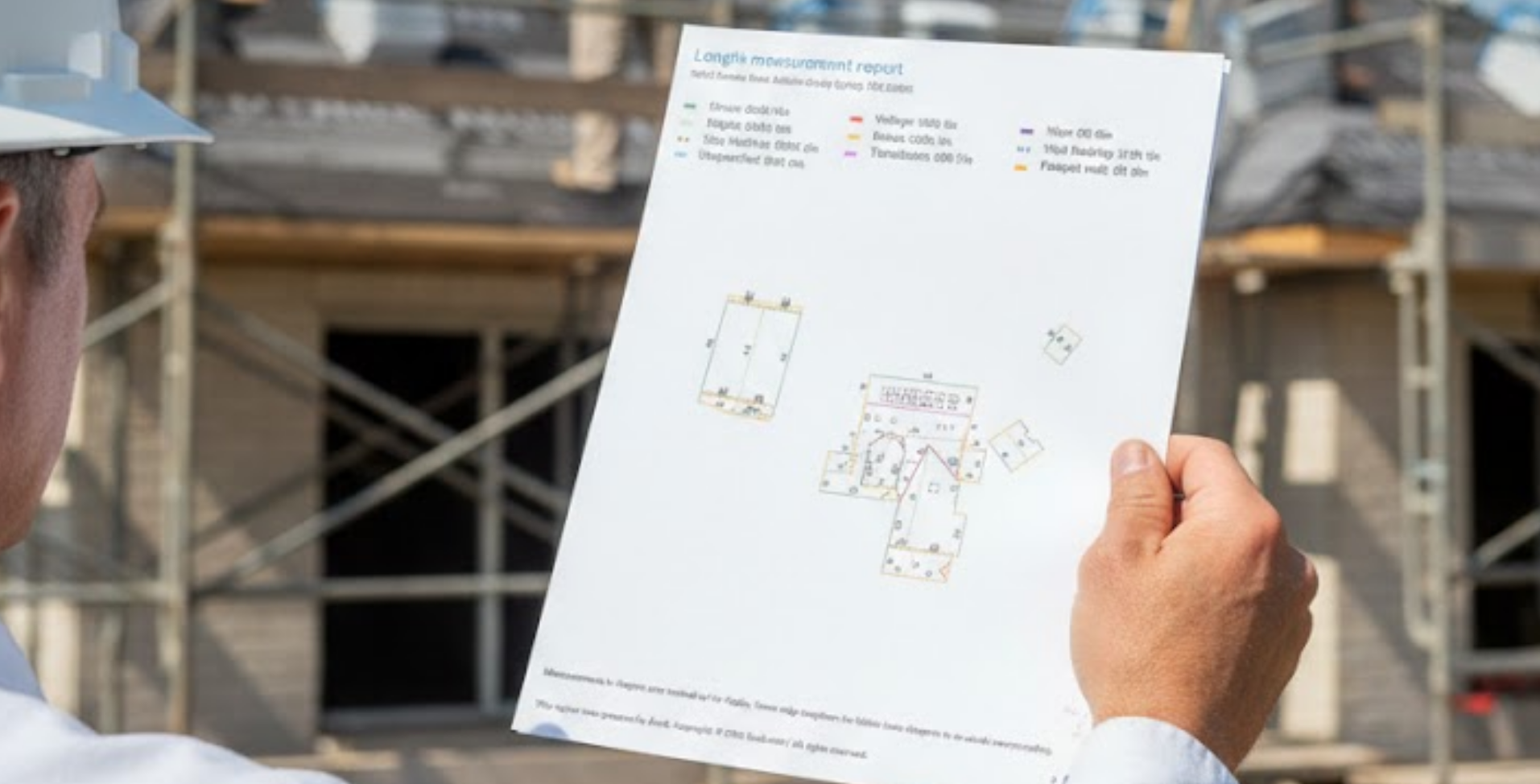
Reviewing detailed roof estimate and plans
Getting a roofing estimate can feel overwhelming. You get a few pages of technical terms, numbers, and roofing jargon, and then one big total at the bottom that might make your eyes widen. But here’s the truth: your roofing estimate is more than just a price tag. It’s a roadmap to your roof replacement or repair, showing exactly what you’re paying for and what to expect from your contractor.
That's why to read and understand the estimate well, you need to know what it is, and what every estimate should include. If you live in Maryland, understanding your roofing proposal is one of the best ways to protect your home and your wallet. Before we walk you through how to read it like a pro, let's find out what it is exactly and why it matters.
What Is a Roofing Estimate (and Why It Matters)
A roofing estimate is a detailed outline of the work your roofing contractor plans to do, how much it’ll cost, and what materials they’ll use. Think of it as a project blueprint that lays everything out clearly before work starts.
A solid estimate should be transparent, itemized, and easy to understand. If something looks vague or incomplete, that’s usually a red flag. A reputable Maryland roofer, like us at Da’ Roofers, will never rush you into signing anything. Instead, they’ll walk you through each section so you know what you’re agreeing to. Let's get into what every roofing estimate should include.
What Every Roofing Estimate Should Include
Here’s what a complete, professional roofing proposal should contain:
1. Property Protection Plan
A good contractor doesn’t just replace your roof; they protect your property while they’re at it. Your estimate should include a line item for property protection; things like tarps, plywood, or plastic coverings used to shield your landscaping, attic, deck, and pool.
If you don’t see anything about property protection, ask about it. You don’t want debris damaging your shrubs or patio furniture.
2. Tear-Off Details
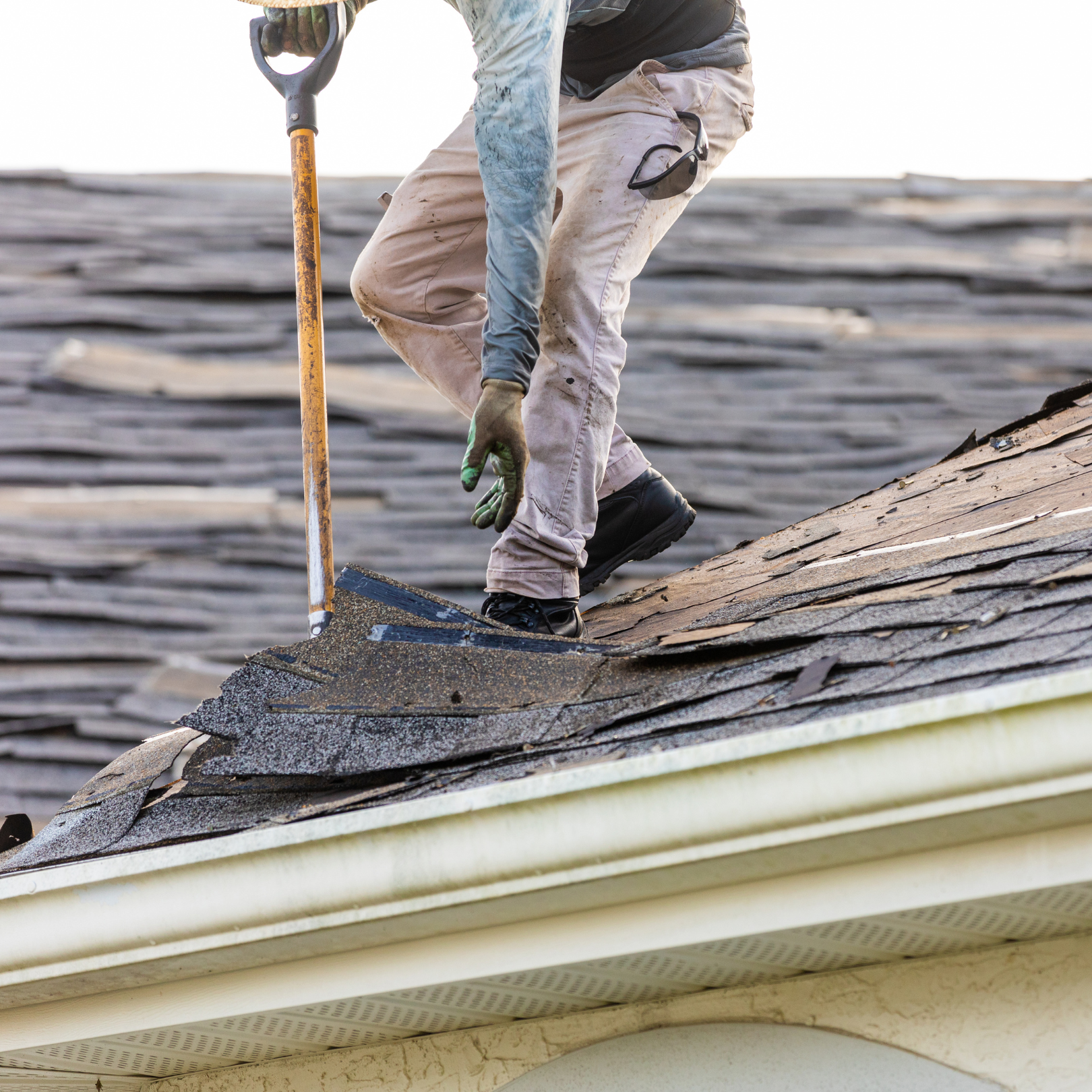
Roofing crew performing full roof tear-off in Maryland
Before installing your new roof, the contractor must tear off the old roofing layers. Most roofs have one layer, but some older homes in Maryland might have two or more.
The estimate should clearly say how many layers will be removed and the cost for each. Some contractors underbid by listing only one layer, then charge extra later. Make sure it’s spelled out from the start.
3. Decking Replacement Costs
Your roof decking (the wood base under your shingles) isn’t always visible until the old roof comes off. Because of that, your estimate should include a per-sheet or per-board price for replacing rotten or damaged decking.
Watch out for estimates that automatically charge for decking replacement even if it’s not needed. A trustworthy contractor only charges for the bad wood they need to replace.
4. Roofing Materials
This is the part most homeowners focus on, and for good reason. Your roofing materials are the visible top layer and one of the biggest cost factors.
Your estimate should list:
The type of roofing material (e.g., asphalt shingles, metal panels, etc.)
The brand/manufacturer
The style and color
The quantity needed
If you’re choosing asphalt shingles, make sure the proposal specifies the shingle model. For example, at Da’ Roofers, we use shingles from CertainTeed. For metal roofing, you should see the panel gauge, coating type, and color options listed.
5. Installation Method
For asphalt shingles, there are two main installation methods: hand-nailing or air-gun nailing. Hand-nailing is slower but more precise, while air guns are faster and more common.
Your estimate should mention which method your contractor uses and how many nails per shingle they’ll apply. It might sound minor, but small details like this can affect roof longevity.
6. Roof System Components
A roof is more than just shingles — it’s an entire system of parts that work together to protect your home. Each component should appear as its own line item.
Here’s what to look for:
Underlayment: The water-resistant barrier under your shingles. Make sure the type (felt or synthetic) and brand are listed.
Ice & Water Shield: A waterproof layer installed in vulnerable areas (like valleys or around chimneys). Especially important in colder Maryland winters.
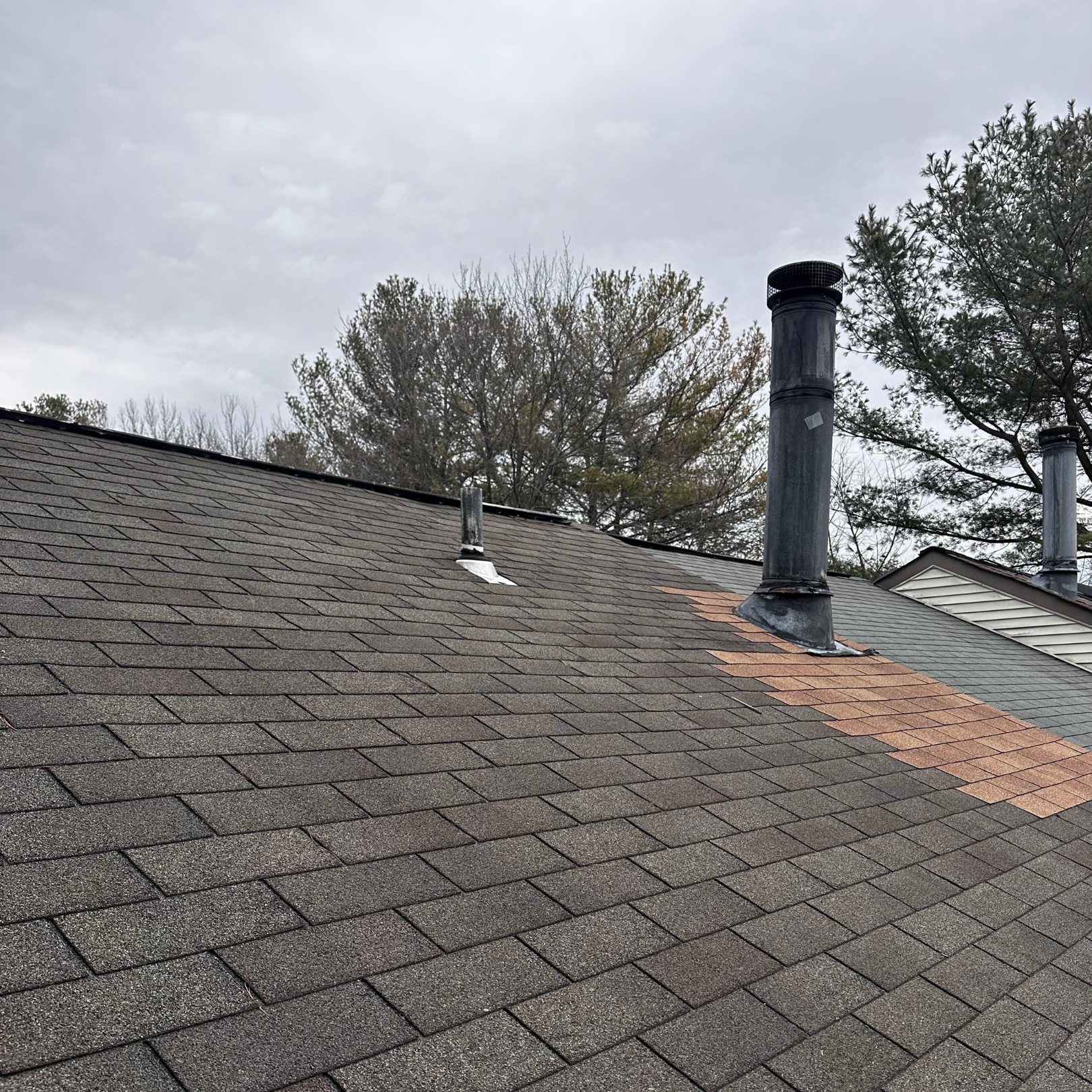
Close-up of roof pipe boot on residential home in Maryland
Starter Shingles: These seal the roof edges and prevent leaks. The estimate should specify the manufacturer and coverage (rakes and eaves).
Ridge Capping: These are shingles used at the very peak of your roof where the two slopes meet. Check that the proposal lists actual ridge caps, not cut three-tabs (a common cost-cutting trick).
Drip Edge: Metal flashing along roof edges to stop water from seeping behind gutters. It’s required by code and should be listed with color and location.
Flashing: Metal placed around walls, chimneys, and valleys to stop leaks. The estimate should say where it’ll be installed and what material is used.
Pipe Boots: Rubber or metal coverings around roof penetrations to prevent leaks. The number of boots and the material type should be clear.
Vents: Proper ventilation extends roof life. Look for intake and exhaust vents, with quantity and type noted (ridge vents, box vents, etc.).
If any of these are missing, that’s a big warning sign. You want a full roofing system, not just shingles slapped on top, so make sure the estimate has all these items listed.
7. Dump Fees and Clean-Up
Roof replacement creates a ton of debris: shingles, nails, flashing, and wood.
Hence, your estimate should include dump fees (the cost to haul and dispose of waste) and clean-up labor.
A clean-up plan usually involves magnets to collect stray nails and final sweeping to make sure your yard is spotless. It’s not glamorous, but it matters.
8. Warranty Details
Reviewing detailed roof estimate and plans
Every roofing estimate should come with clear warranty information. You’ll typically have two types:
Manufacturer warranty (covers materials)
Workmanship warranty (covers installation quality)
Make sure both are listed along with their duration and coverage details. Some Maryland roofers offer lifetime material warranties and 10-year workmanship coverage, while others may only give a year or two. Always confirm in writing.
9. How Long the Estimate Is Valid
Roofing material prices change with market costs and supply. Most estimates are valid for 30 to 90 days.
Your proposal should clearly say how long it’s good for. If you wait too long to sign, the contractor may need to update pricing.
10. Right to Cancel or Rescind
By law, you generally have three days to cancel a signed contract without penalty. This “right of rescission” should be written in your estimate.
Avoid contractors who try to rush you into signing or who hide cancellation clauses in fine print.
Why You Should Review the Estimate With Your Roofer
A roofing estimate isn’t something that should just be dropped off in your mailbox. A professional roofer will take time to walk you through their process, explain the terms, and answer your questions.
This step builds trust, which is an essential part of our belief at Da’ Roofers. It also ensures there are no surprises once work begins. If your contractor refuses to review the proposal with you or pushes you to sign right away, that’s a major red flag. In the Maryland roofing market, transparency separates the good roofers from the bad ones. Click here to find out how to choose a reliable roofer in Maryland.
How to Compare Roofing Proposals
It’s smart to get at least two or three estimates before choosing a roofing company. When you compare them:
Look for differences in materials and workmanship warranties.
Check if one estimate is missing components like flashing or underlayment.
Don’t just focus on price, focus on clarity and completeness.
A slightly higher bid from a reputable Maryland roofer is often worth it if it means better materials, longer warranty, and honest work.
Common Red Flags to Watch For
Be cautious if you notice any of the following:
Missing or vague line items (e.g., “miscellaneous materials”).
No mention of ventilation or flashing.
Extremely low total compared to others.
No warranty details.
The contractor avoids questions or discourages a walk-through.
A clear, detailed proposal means you’re dealing with a professional. A vague one usually means trouble down the line.
Final Thoughts
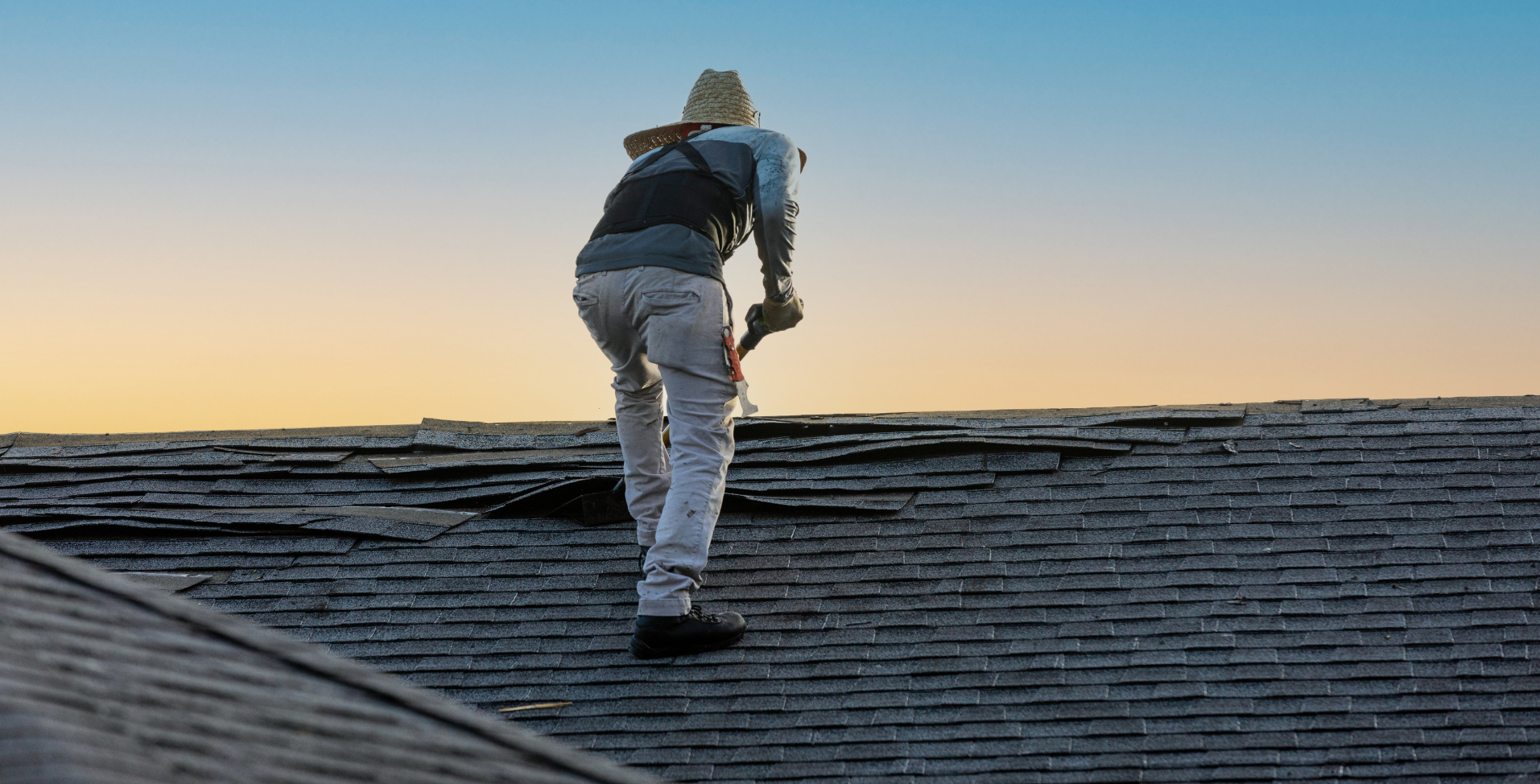
Maryland roofer removing old asphalt shingles during roof replacement project
Reading a roofing estimate might seem tedious, but it’s one of the best ways to protect your investment. Every homeowner in Maryland should understand what’s in that proposal before signing anything.
When you know what to look for, you can spot red flags, compare bids confidently, and choose a roofer you can trust. And when in doubt, ask questions. A good contractor will always take the time to explain their process.
FAQs
1. How do I know if my roofing estimate is fair?
Compare estimates from at least two contractors. Check that all line items match and that the materials and warranties are clearly listed.
2. How long are roofing estimates valid?
Most are valid for 30–90 days, depending on local material prices and the contractor’s policy.
3. What’s the difference between a roofing estimate and a roofing quote?
They’re similar, but an estimate is a projected cost, while a quote is a fixed price once all details are confirmed.
4. Should I go over the estimate with my contractor?
Yes, absolutely. Reviewing the estimate with your roofer ensures you understand the work and pricing, and helps build trust before you sign.
5. What are common red flags in roofing proposals?
Missing warranty info, vague pricing, pressure to sign, or no mention of code-required items like drip edge or ventilation are all red flags!
