

The Difference Between Roof Repair, Reroofing, and Replacement
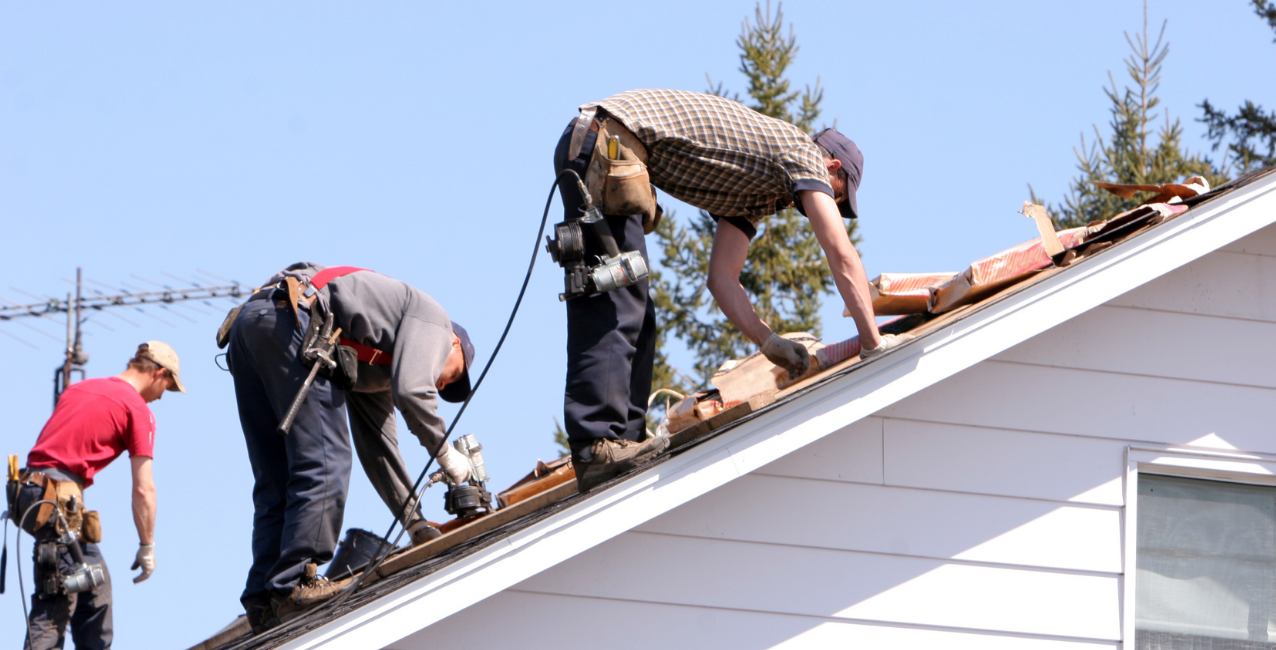
Maryland roofers working on a residential roof
If your roof starts leaking or looks a little worse for wear, you might wonder what you actually need — a repair, a reroof, or a replacement. These terms sound similar, but they mean very different things. Knowing which option is right can save you money and extend your roof’s lifespan.
In simple terms, roof repair deals with minor fixes, reroofing adds a new layer over the existing shingles, and replacement means tearing off the old roof and starting fresh. Each option serves a different purpose depending on your roof’s age, condition, and the extent of damage.
Understanding the difference helps you make the right call before small issues turn into big, expensive problems. Let's break it down for you.
Roof Repair: Fixing the Problem Spots
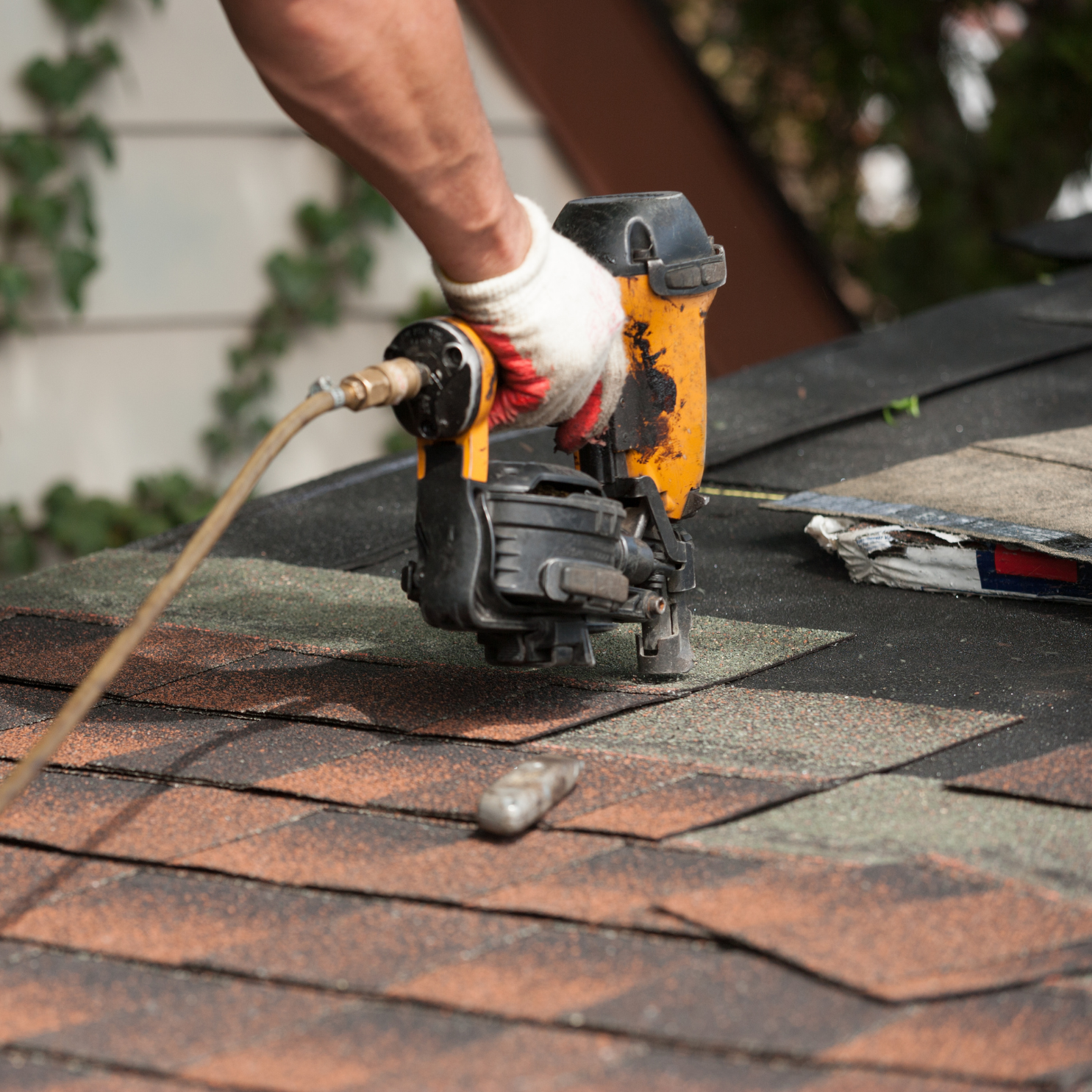
Professional roofers repairing a damaged roof
Roof repair is the quickest and most affordable option. It focuses on solving specific issues rather than redoing your entire roof. You might need a repair if:
There’s a small leak in one area
A few shingles blew off after a storm
Flashing around vents or chimneys has cracked
Minor water stains have appeared on the ceiling
Repairs are best for localized damage or when the rest of the roof is still in good condition. A trusted Maryland roofer can inspect, patch, and seal problem areas, often within a day.
Pros of Roof Repair
Low cost compared to other options
Fast turnaround time
Extends your roof’s life when caught early
Cons of Roof Repair
Not suitable for older or heavily damaged roofs
Repairs might stand out if the new shingles don’t match exactly
Reroofing: Adding a Fresh Layer
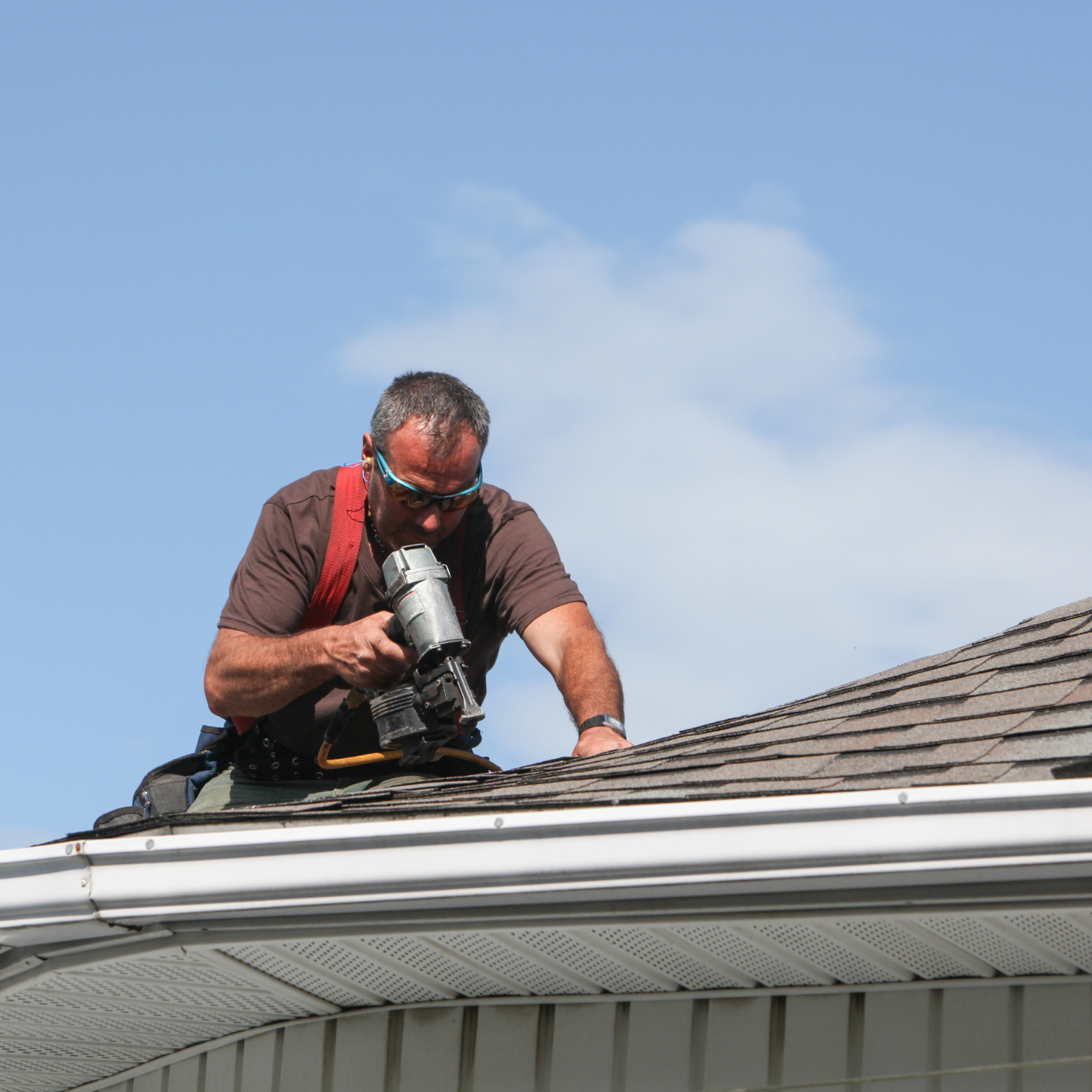
Roofer working on re-roofing project
Reroofing, sometimes called “overlaying,” means installing a new layer of shingles over the old ones. It’s like giving your roof a makeover without stripping everything down.
This is usually done once in a roof’s lifetime, and only if the current shingles are in decent shape (no major water damage or rot underneath). However, we never reroof at Da’ Roofers.
When to Choose Reroofing
Your roof is aging, but not leaking badly
The shingles look worn, curled, or faded
You want a new look without the full cost of replacement
Pros of Reroofing
Cheaper than a full replacement
Faster since there’s no tear-off
Gives your home a fresh, clean appearance
Cons of Reroofing
Can only be done once
Doesn’t fix underlying problems (like rot or sagging)
Adds extra weight to your roof structure
It costs more during removal because of the extra layers.
Hurts the resale value of the house
It makes repairs tricky or even impossible
Roof Replacement: Starting from Scratch
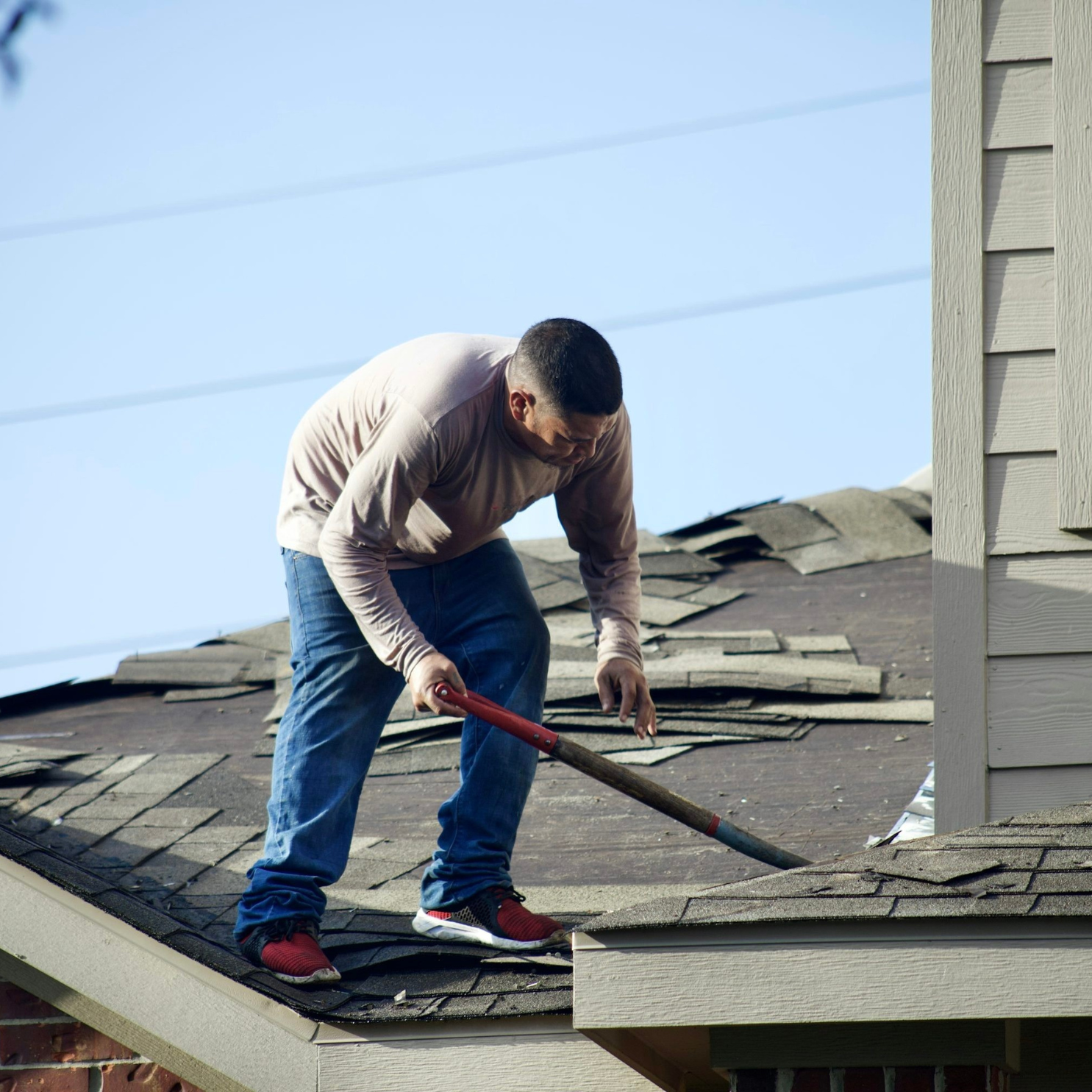
Maryland roofer removing old shingles before roof replacement
Roof replacement means tearing off all old roofing materials down to the deck, inspecting the wood underneath, and rebuilding the entire roof from the base up.
It’s the most thorough and long-lasting solution — perfect for roofs that have reached the end of their lifespan or suffered extensive damage.
Signs You Need a Replacement
Roof is over 20 years old
Shingles are missing or cracked across large sections
There’s sagging, mold, or rotting wood
Repairs or reroofing won’t fix the issues anymore
Pros of Roof Replacement
Long-term durability and protection
Addresses all structural and water damage
Increases home value and curb appeal
Cons of Roof Replacement
Most expensive option
Takes longer to complete (but depending on the size of your roof, can still be completed within a day)
Which Option Is Best for Maryland Homeowners?
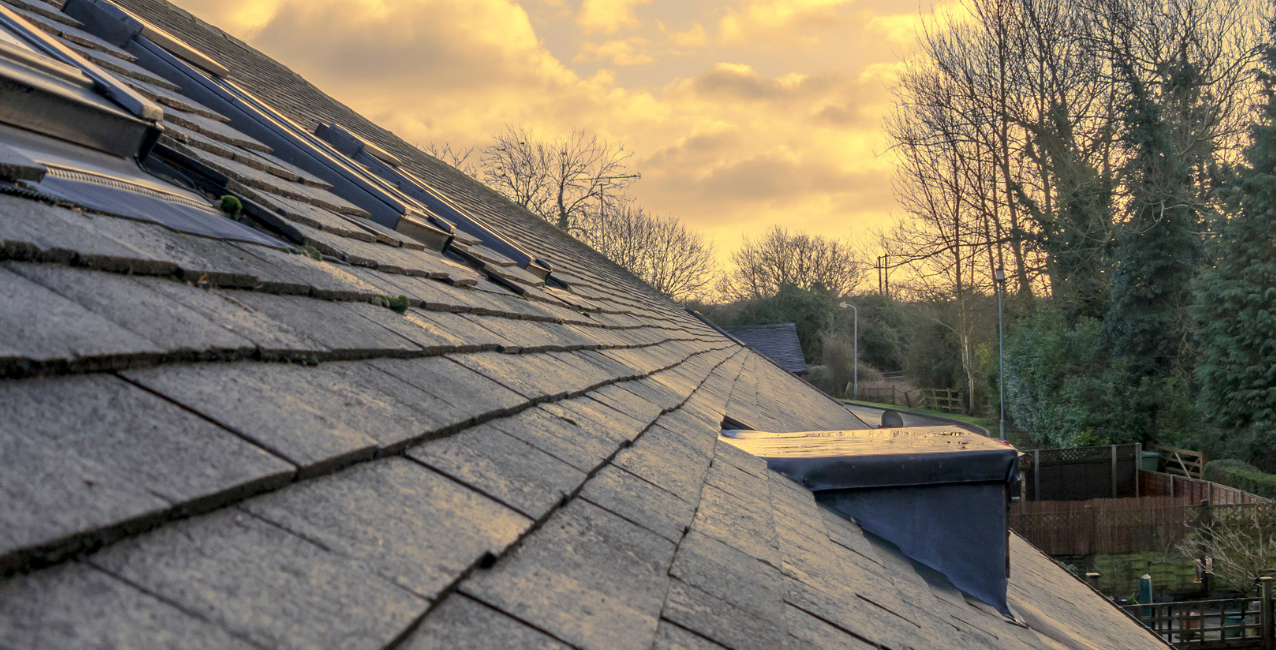
Close-up of residential roof shingles showing condition
In Maryland, where hot summers, heavy rains, and winter snow can all hit the same year, the best choice depends on your roof's condition and age.
Repair if the damage is minor and your roof is relatively new.
Reroof if the surface is worn, but the base is solid.
Replace if your roof is nearing the end of its life or has major issues underneath.
A professional inspection can help you decide which route makes sense for your home and budget. Need help finding a reliable roofer in Maryland? Check out our article to find out!
Final Thoughts
Whether you’re fixing a few shingles or planning a full roof overhaul, the key is not to delay. A small leak can turn into major damage if ignored.
If you're not sure where your roof stands, call a local Maryland roofing professional, like Da' Roofers, for a free inspection. We’ll walk you through your options and give you our honest opinion (It's one of our virtues). Whether it’s a quick repair or a brand-new roof, we're here to save da’ day.
FAQs
1. How do I know if I need repair or replacement?
If the problem is isolated, like a small leak or missing shingles, a repair might do. If your roof is older or has widespread damage, replacement is likely the smarter move.
2. Can you reroof over existing shingles?
Yes, but only once and only if the current roof is in decent condition. Multiple layers can make your roof very heavy. However, we never recommend reroofing at DA Roofers.
3. How long does a reroof last compared to a replacement?
Reroofing usually lasts 8–10 years, while a full replacement can last 20–30 years with proper maintenance.
4. Will my home insurance cover roof repairs or replacement?
It depends on the cause of the damage. Insurance often covers storm-related damage but not general wear and tear.
5. How often should I get my roof inspected by a professional?
Ideally, once a year, and especially after severe weather. Early detection saves money in the long run.
