

The Top-Down Inspection: Protecting Your Clients from the Most Expensive Repair in Real Estate
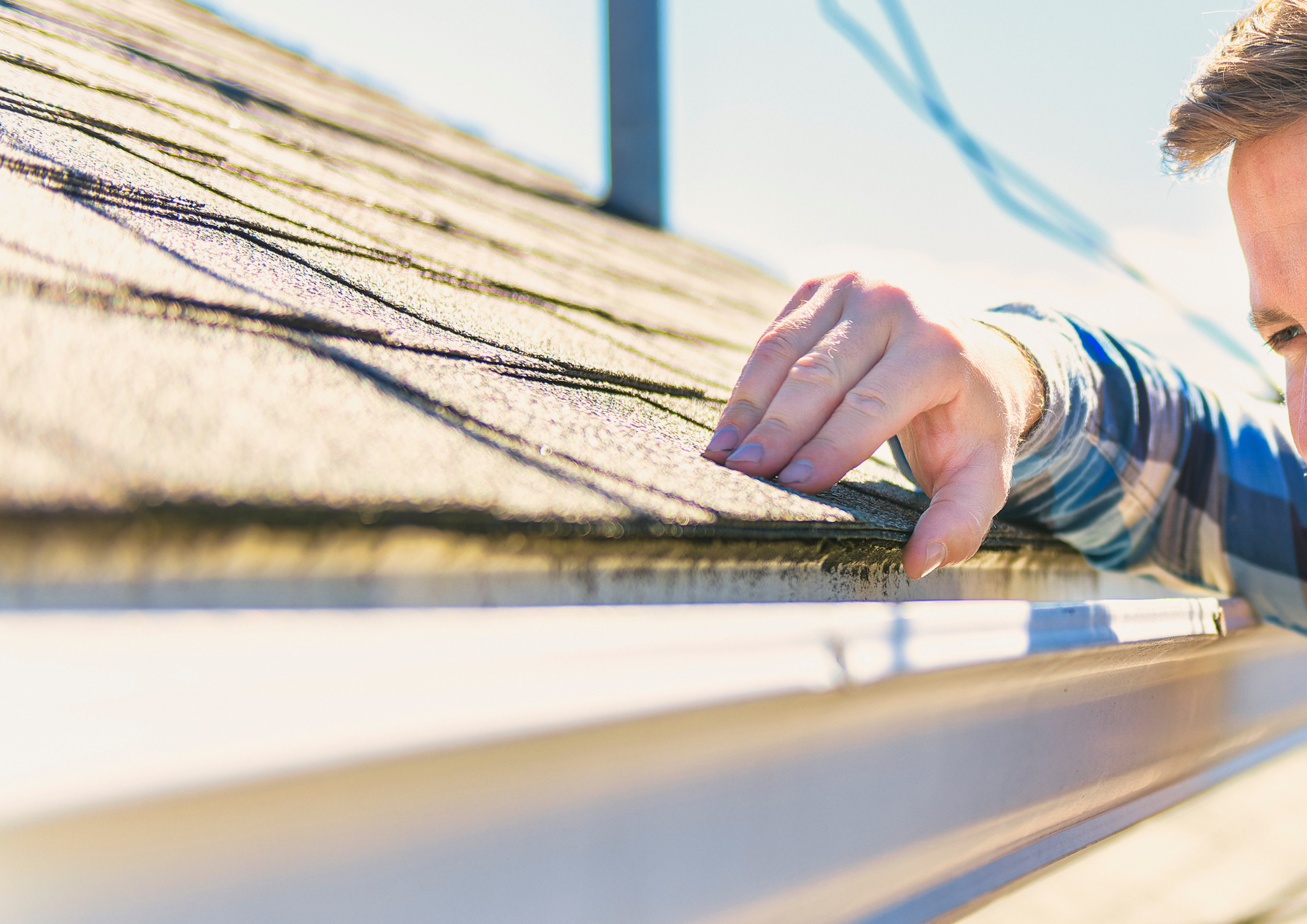
Preventative roof inspection to avoid expensive home repairs
If you’re a real estate agent, you already know this: deals don’t fall apart over paint colors. They fall apart over big, scary surprises. And one of the biggest, scariest surprises in real estate is the roof.
A top-down inspection means starting at the very top of the house (the roof) and working your way down. It sounds simple, but it’s one of the smartest ways to protect your clients, your reputation, and your deals.
A top-down inspection helps real estate agents protect clients by identifying roof problems early, before they turn into expensive repairs or last-minute deal breakers. Let's find out why it's so important.
Why the Roof Is the Most Expensive Surprise in Real Estate

home buyer analyzing hidden costs of roof replacement
Most buyers expect to replace appliances eventually. They expect cosmetic updates. What they don’t expect is a sudden four or five-figure roof replacement right after closing. Roof issues are expensive because:
Roof replacements cost more than most other single repairs
Leaks often cause hidden damage inside the home
Insurance doesn’t always help if the roof is old or neglected
Problems aren’t always visible during a quick showing
When a roof issue pops up late, it can delay closing, kill the buyer's confidence, force price renegotiations, or stop the deal completely.
What “Top-Down Inspection” Really Means
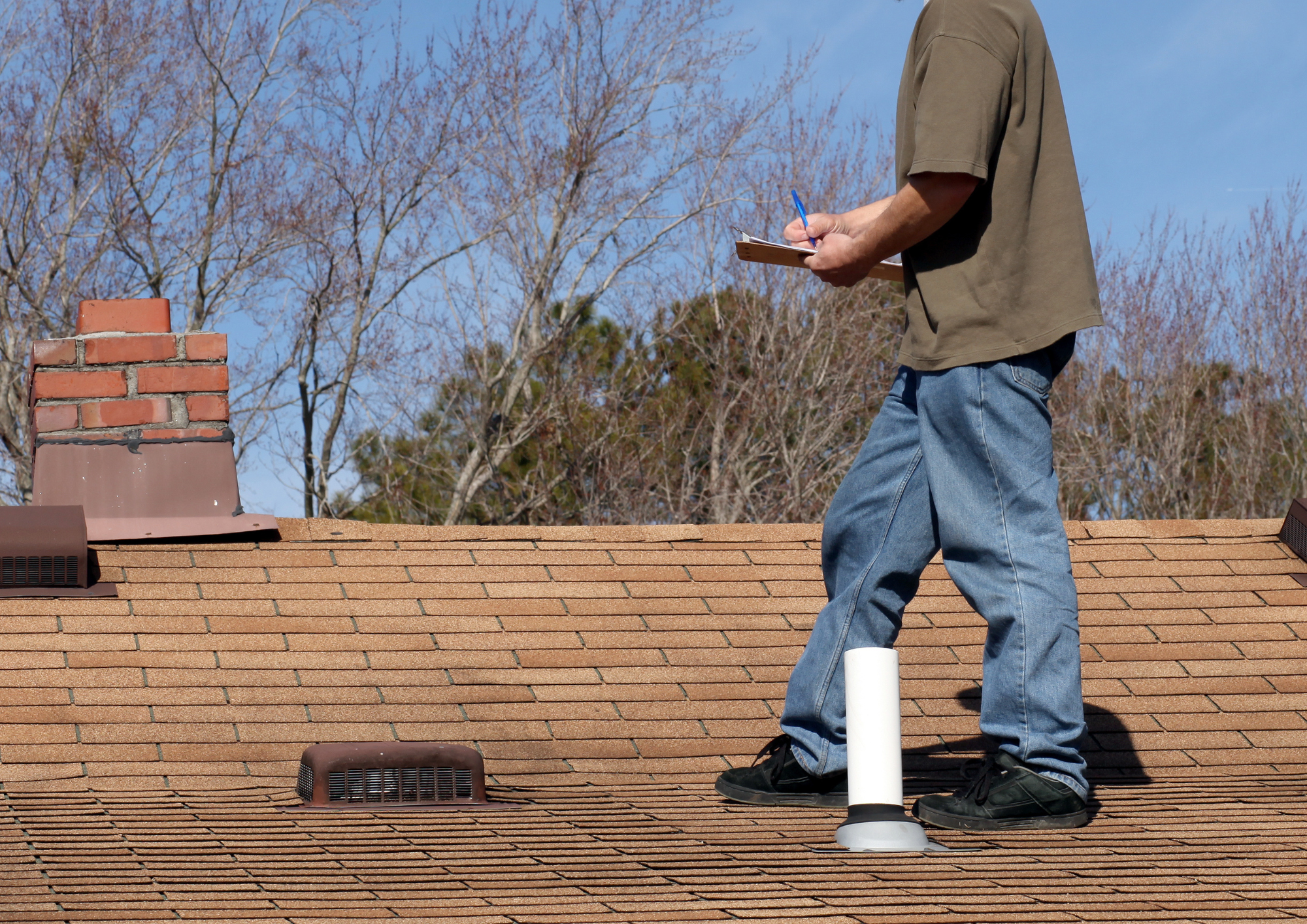
Top-down roof inspection process showing initial rooftop evaluation
This isn’t a fancy industry term. It’s just a smart order of operations. Instead of focusing first on floors, fixtures, and finishes, you:
1. Start with the roof
2. Check drainage and ventilation
3. Look for signs of water entry
4. Then move inside the home
Why start at the top? Because water always travels downward, and roof problems often show up far from where they start.
Da’ Roofers approach inspections the same way; beginning where the biggest risks usually are.
Roof Issues That Commonly Catch Buyers Off Guard
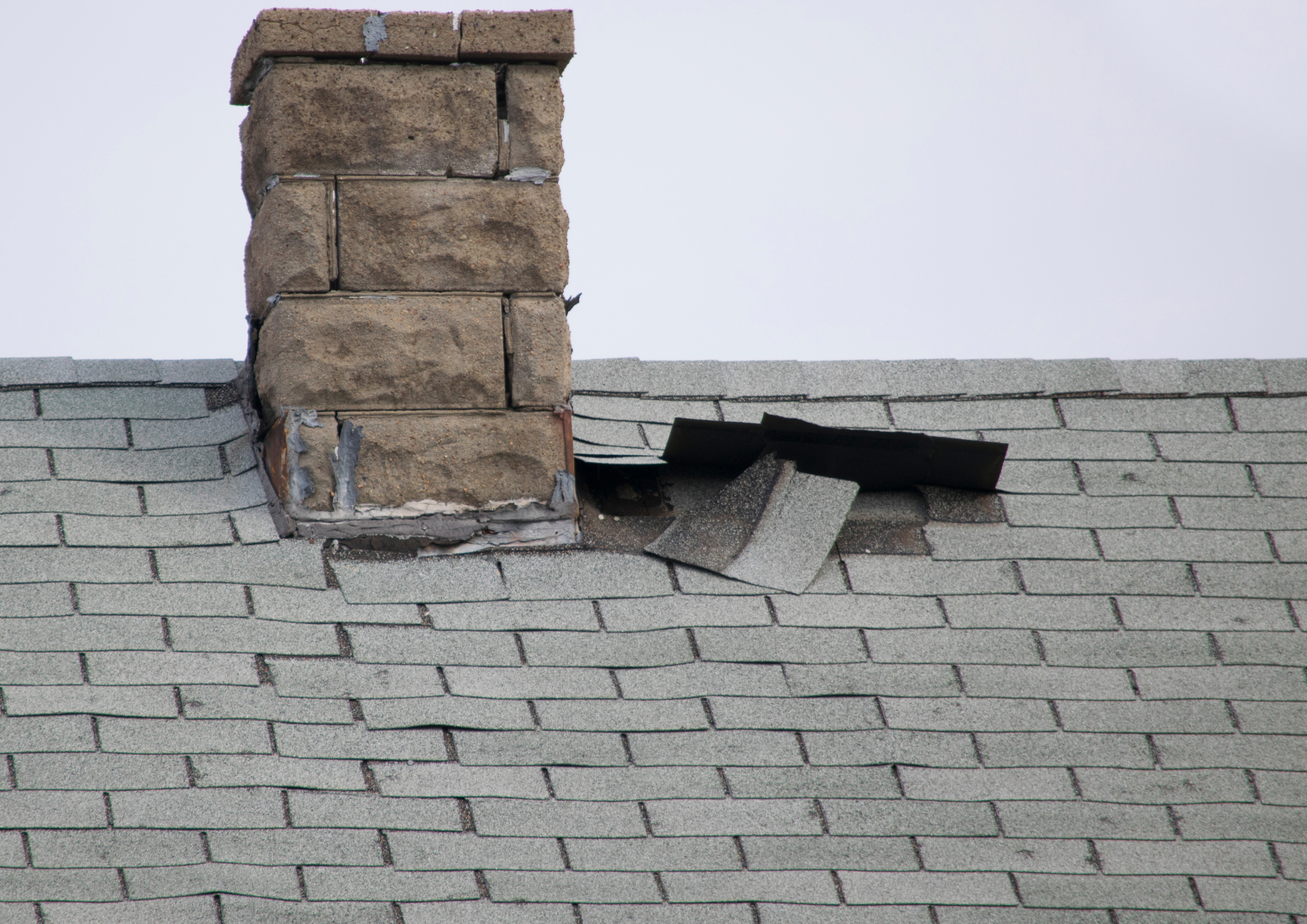
Discovering hidden roof damage during inspection
Some roof issues that usually catch buyers off guard include:
1. Aging Roofs That “Look Fine” at First Glance
A roof can look okay from the street and still be near the end of its life. Shingles can lose their protective granules, ventilation can be poor, and flashing can be failing, all without obvious leaks yet.
2. Previous Repairs That Weren’t Done Properly
Quick patch jobs might hide problems temporarily, but they usually show up later. Common signs you might notice include:
Mismatched shingles
Excess sealant around vents
Uneven roof surfaces
These repairs raise questions during inspections and negotiations.
3. Ventilation Problems
Poor ventilation shortens roof lifespan and creates moisture problems inside the attic.This often leads to:
Premature shingle failure
Mold concerns
Higher energy bills
Buyers don’t love surprises like that.
How Top-Down Inspections Protect Your Clients
A top-down inspection helps buyers feel informed instead of blindsided. When you address roof conditions early:
Buyers know what they’re getting into
Sellers can address issues upfront
Negotiations stay calmer and more reasonable
Fewer last-minute emergencies appear
We can help you explain roof conditions clearly, without panic or pressure.
How It Protects You as a Real Estate Agent
Let’s be honest, whenever something goes wrong after closing, clients always think first about the person who guided them. A top-down inspection helps you:
Reduce post-sale complaints
Avoid “why didn’t anyone tell me?” conversations
Show that you look out for long-term client interests
Strengthen your professional reputation
Agents who consistently flag roof concerns are seen as thorough, not difficult.
When Should Agents Recommend a Roofing Evaluation?
You don’t need one on every home, but it’s smart when:
The roof is 15+ years old
The inspection mentions roof concerns
There are interior water stains
The home has a flat or low-slope roof
Buyers are nervous or first-time homeowners
Da’ Roofers often provides clear, straightforward assessments that help deals move forward instead of stalling them.
Helping Buyers Understand Roof Reality (Without Scaring Them)

Da’ Roofers team explaining roof inspection report step by step
Buyers don’t need worst-case scenarios. They need facts. A good roof conversation includes:
Approximate remaining lifespan
Any immediate repair needs
What’s cosmetic vs structural
What can wait and what can’t
Clear explanations reduce fear and keep deals intact. And if you've already handled every issue, you're left with a happy client.
Why the Maryland Market Makes Roofs Even More Important
The Maryland climate is tough on roofs. We deal with hot summers, cold winters, heavy rain, snow and ice, and storm cycles. As you can imagine, all these will definitely take a toll on any roof.
Roofs here age faster if they’re not installed or ventilated correctly. That’s why top-down inspections matter even more in this area.
Final Thoughts
Starting at the roof protects your clients from the most expensive repair in real estate, and protects your deals from unnecessary surprises. A top-down inspection isn’t about slowing things down. It’s about making transactions smoother, clearer, and more honest.
Da' Roofers works alongside real estate agents across Maryland to provide clarity, not complications. When everyone understands the roof early, everyone wins. We also offer an Instant Estimator that realtors can use to set realistic expectations for themselves and buyers. If everyone knows the cost to expect, no one will be caught off guard.
FAQs
1. Why is the roof considered one of the most expensive repairs in real estate?
Because a full roof replacement costs more than most single home repairs and often leads to additional interior damage if ignored.
2. Should real estate agents recommend roof inspections?
Yes, especially for older roofs or when general inspections raise concerns. It helps buyers make informed decisions. A home inspector doesn’t always go on the roof/
3. Can roof problems affect closing timelines?
Yes. Roof issues can delay negotiations, repairs, financing approval, or insurance coverage.
4. How old is too old for a roof when buying a home?
Many roofs last 20–25 years, but age alone isn’t everything. Condition and ventilation matter just as much.
5. Do roof issues always kill real estate deals?
Not always. When addressed early, most roof concerns can be negotiated without losing the deal.
