

7 Tips to Avoid Storm-Chaser Scams in Maryland
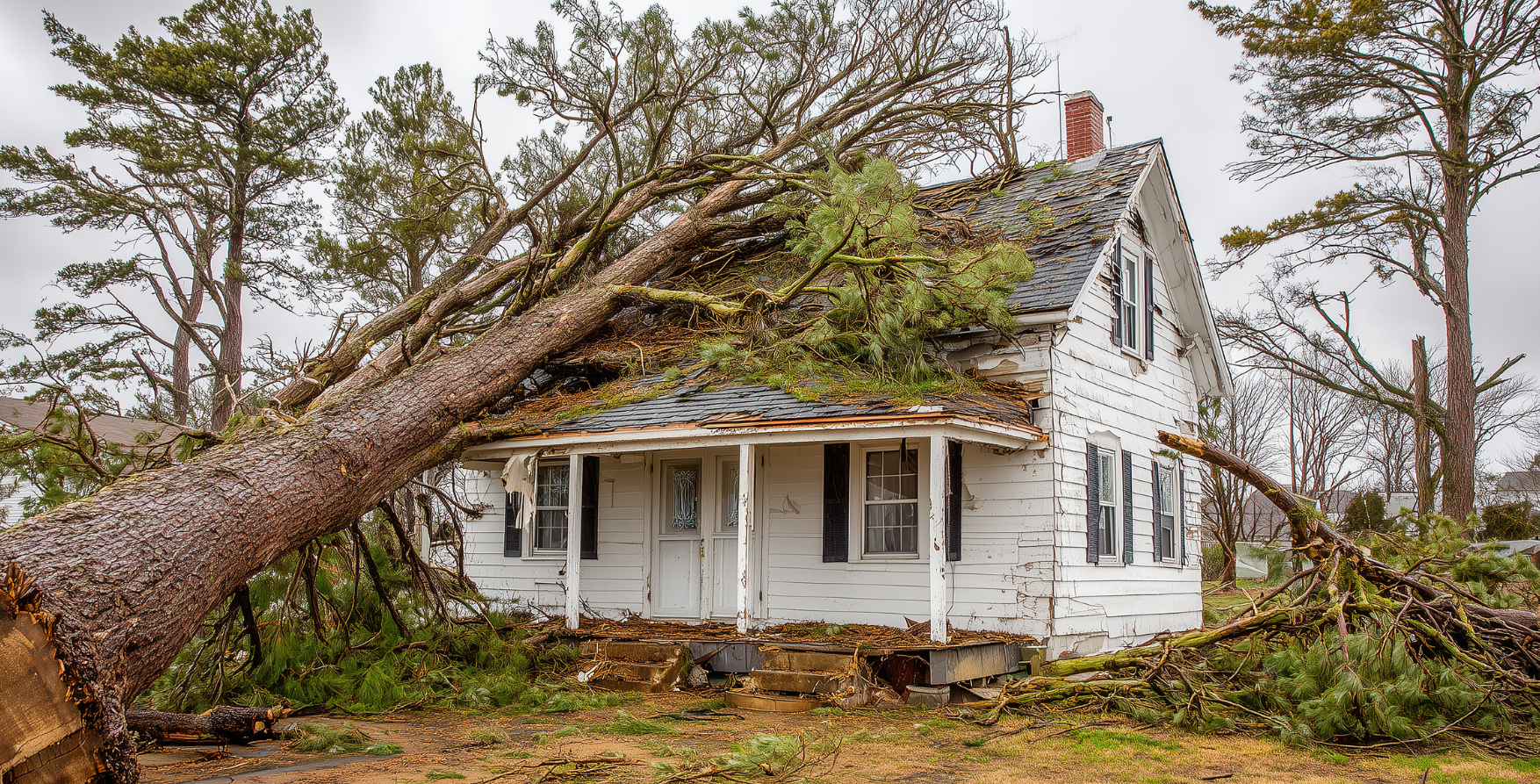
Roof damaged by fallen tree after storm in Maryland area.
Whenever a big storm moves through Maryland, homeowners may encounter roofing contractors offering inspections or repairs. Some are trusted local roofers ready to help, while others may be storm chasers. These contractors follow severe weather, knock on doors, and pressure homeowners into making quick decisions.
However, these companies often disappear as fast as they arrive. And most times, they leave behind poor workmanship and frustrated homeowners. How can you avoid such roofers? Here are some tips:
Don’t panic when someone says you have roof damage
Check for a local phone number
Ask for proof of licensing and insurance
Don’t fall for “too good to be true” prices
Never sign anything on the spot
Watch out for the deductible scam
Call your own trusted roofer
If you learn about the scams earlier, you can definitely avoid getting caught in their traps. All you have to do is to be careful. Let's get into it.
1. Don’t Panic When Someone Says You Have Roof Damage

Homeowner stressed after roof storm damage warning.
Many storm chasers count on fear. They’ll tell you your roof is badly damaged and try to get you to panic so you can sign a contract right away. However, unless your roof is actively leaking or caving in, you don’t need to panic at all.
In Maryland, the time you have to file a storm-damage claim depends on your insurance policy and the circumstances of the loss. Don’t let a contractor pressure you into making a rushed decision. Review your policy, contact your insurer when needed, and arrange an inspection with a qualified roofing contractor.
2. Check for a Local Phone Number
If a roofer who comes to your door can’t provide verifiable business contact information, be cautious. For a roofing project in Maryland, check the company’s business address, reputation, and Maryland licensing credentials before hiring them.
Storm chasers may travel from outside Maryland and leave after completing a project, making follow-up service more difficult. Before hiring a contractor, check their track record, warranty terms, and ability to provide service after the work is finished.
3. Ask for Proof of Licensing and Insurance
Verification of roofing company licensing and insurance.
Before hiring a roofing contractor in Maryland, verify that the company has the required Maryland Home Improvement Commission (MHIC) license for the work and appropriate insurance coverage. Ask to see documentation, including:
A state license
Proof of insurance
If a roofer can’t provide these documents, walk away. Working with a company without the necessary documents will only put you at risk of shoddy work and liability issues. In fact, it can get really messy, as you have no legal way to hold them accountable.
4. Don’t Fall for “too good to be true” Prices
Storm chasers often promise unbelievably low prices to fix your roof. They may even say they’ll do the work for “whatever your insurance pays.”
The problem with this is that insurance estimates can leave out important costs like labor and material prices. A legit roofer knows this and will supplement the claim correctly. However, a storm chaser will not. So, if a price sounds too good to be true, it probably is.
5. Never Sign Anything on the Spot
Maryland Homeowner reviewing roofing contract before signing
One of the oldest tricks storm chasers use is shoving a contract in front of you “just to get started.” You need to be careful of this because hidden in the fine print, you may actually be signing over your insurance claim rights.
Never sign anything without reviewing it carefully. And definitely don’t let anyone on your roof until you know who they are and you’ve checked their credentials. Some dishonest contractors have even been caught intentionally creating damage to make a claim look valid, which can land you in trouble.
6. Watch Out for the Deductible Scam
Some roofers will promise to “cover” your deductible. It might sound like a good deal at first, but in reality, it’s insurance fraud. If you agree, you’re the one breaking the law, not the contractor.
Besides, if they’re willing to cut corners with your deductible, they’ll most likely cut corners on your roof too. You definitely don't want that. Always pay your deductible directly, and only work with roofing companies that play by the rules.
7. Call your own trusted roofer
If an unfamiliar contractor knocks on your door after a storm, you can thank them for the information and explain that you’ll contact a roofer of your choice.
If you don’t already have one, now’s the time to find a licensed, local roofing contractor you can trust, like Da’ Roofers (we're da’ best 😉). A Maryland roofer will give you an honest inspection, help you navigate the insurance process, and make sure your home is repaired in the right way. That's everything you need and more.
Final Thoughts
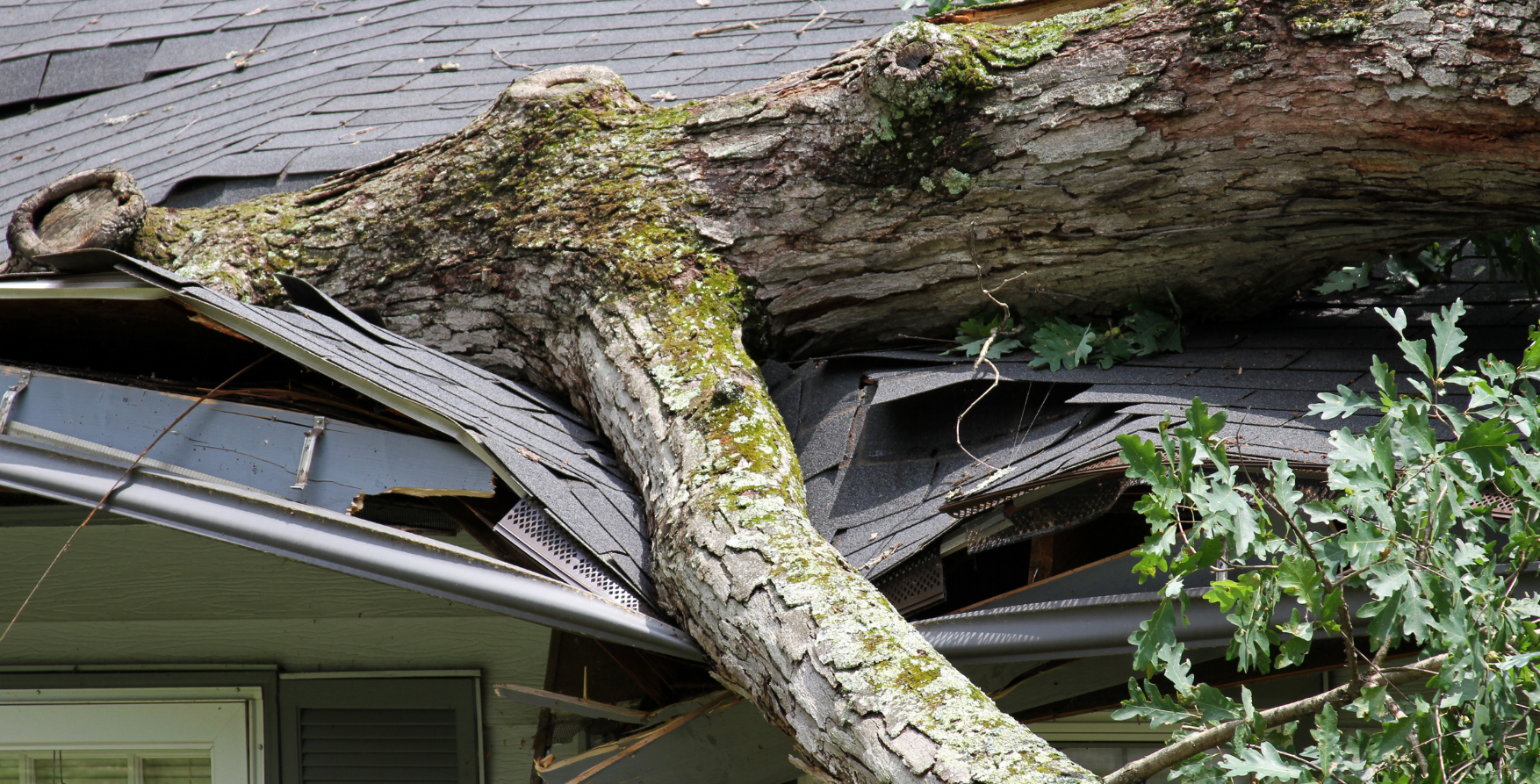
Maryland Home roof destroyed by storm and falling tree.
Storm damage is stressful enough without dealing with scammers. With these tips though, we're sure you can breeze through anything they throw at you. All you need to do is stay calm, ask the right questions, and stick with a local, licensed roofer.
If you do that, you can definitely avoid the headaches storm chasers bring to people's doorstep. When in doubt, always remember: if they’re knocking on your door right after a storm, their goal is to sell fast, not to take care of your home.
FAQs
1. What is a storm chaser in roofing?
Like the name implies, a storm chaser is a contractor who follows severe weather. They usually go from door to door and offer to sell roof repair or replacement services. Many of them do low-quality jobs and then disappear after.
2. How do I know if a roofer is local?
It's quite easy. All you need to do is check their website for a local Maryland phone number and state license. You can also look up recent reviews from homeowners in your area. That way you can be sure of their reputation and work ethic.
3. Should I let a storm chaser inspect my roof?
No. Don’t allow anyone on your roof unless you’ve verified their credentials. This is very important, as some dishonest contractors may even create damage during inspections to make the claim look legit.
