

Da’ Roofers Certifications: Why It Actually Matters for Your Roof
Professional certified roofer services in DMV region.
Let’s say your roof is like a helmet for your house.
You wouldn’t want just anyone building a helmet, right? You’d want someone who has been trained, knows what they’re doing, follows rules, and has proven they’re good at it.
That’s exactly what roofer certifications are about. They’re not just fancy stickers. They’re not bragging rights. They’re proof that the people working on your roof are trained, tested, and trusted to do things the right way.
Let’s walk you through it.
What Does “Certified Roofer” Even Mean?
Good question.
A certified roofer is someone who has gone through special training, passed real tests, and agreed to follow strict rules set by a major roofing manufacturer.
For Da’ Roofers, this means earning professional credentials that show we truly understand:
Proper installation
Safety rules
Long-lasting roof systems
It’s kind of like earning a black belt in roofing. You don’t get it just for showing up.
Who Gives These Certifications?
DMV roofing company certified by CertainTeed for quality roofing solutions
Da’ Roofers is certified by CertainTeed, one of the oldest and most respected roofing manufacturers in North America.
CertainTeed has been around for over 100 years. They don’t just hand out certifications to anyone who asks. Roofers have to earn them.
What Certifications Does Da’ Roofers Have?
Da’ Roofers have advanced CertainTeed credentials that show we meet the company's highest standards.
To earn these, a company must:
Have trained Master Craftsman–level professionals
Use proper installation methods and materials
Follow a strict code of ethics
Stay licensed and insured
Keep learning as products and systems change
Da’ Roofers aren't just getting the job done on your roof. We’re actually following proven systems and procedures.
Why Should a Homeowner Care About Roofing Certifications?
Here’s why certifications are a big deal for you, not just the roofer:
1. It Means the Crew Knows What They’re Doing
Certified roofers don’t just learn once and stop. They:
Understand roofing systems from top to bottom
Know what causes leaks and how to prevent them
Follow best practices instead of shortcuts
All these things lead to fewer problems later.
2. It Can Unlock Better Warranties
Some of the best roofing warranties are only available when certified contractors install the roof. That means:
Longer coverage
Stronger protection
Peace of mind for years
Without certification, those warranties usually aren’t an option. And with Da’ Roofers, warranties come at no additional cost to the homeowner.
3. It Shows the Company Is Serious About Quality
Anyone can buy shingles, but not everyone can earn certifications. Certifications tell you that Da’ Roofers:
Invests in training
Follows manufacturer rules
Cares about long-term results
That’s a huge difference when choosing the right roofing contractor for your home.
4. It Builds Trust Before Work Even Starts
When you hire a certified roofer, you’re not just hoping for the best. You’re choosing a company that has already been checked, trained, and approved by a major manufacturer.
That takes a lot of the stress out of the decision.

Roofing contractor with certification DMV.
What Did Da’ Roofers Have to Do to Get Certified?
We didn’t just fill out a form. To earn these credentials, we had to:
Train key team members at advanced levels
Prove proper installation knowledge
Maintain qualified crews in the field
Agree to follow a professional code of ethics
Stay up to date with products and systems
This takes time, effort, and commitment. That’s something many companies don’t bother with. However, Da’ Roofers prioritize this type of certification.
How Does This Affect Your Roof Day-to-Day?
You might not see the certification during installation, but you’ll definitely feel the results later. Certified work means:
Fewer leaks
Better ventilation
Proper flashing and sealing
Cleaner job sites
Roofs that last longer
It’s the difference between “it looks okay” and “it works properly.”
Certifications and the DMV Area
The DMV has tough weather. Hot summers. Cold winters. Heavy rain. Snow. Wind.
Certified roofers understand how roofing systems need to be installed to handle local conditions, not just generic instructions.
That matters more than people realize.
Why Da’ Roofers Chooses to Stay Certified
Certifications aren’t a one-time thing. They require:
Ongoing education
Updated training
Consistent quality
Da’ Roofers stays certified because we want to:
Protect homeowners
Stand behind our work
Offer stronger warranties
Keep raising our standards
That mindset shows in the finished roof.
Final Thoughts
When you see that Da’ Roofers is certified, it’s not just a badge. It’s a promise. A promise that:
Your roof won’t be rushed
The crew knows what they’re doing
Your roofing system is installed the right way
You’re protected long after the job is done
For something as important as your roof, that peace of mind is worth a lot. That's why it's best to go for a certified roofer.
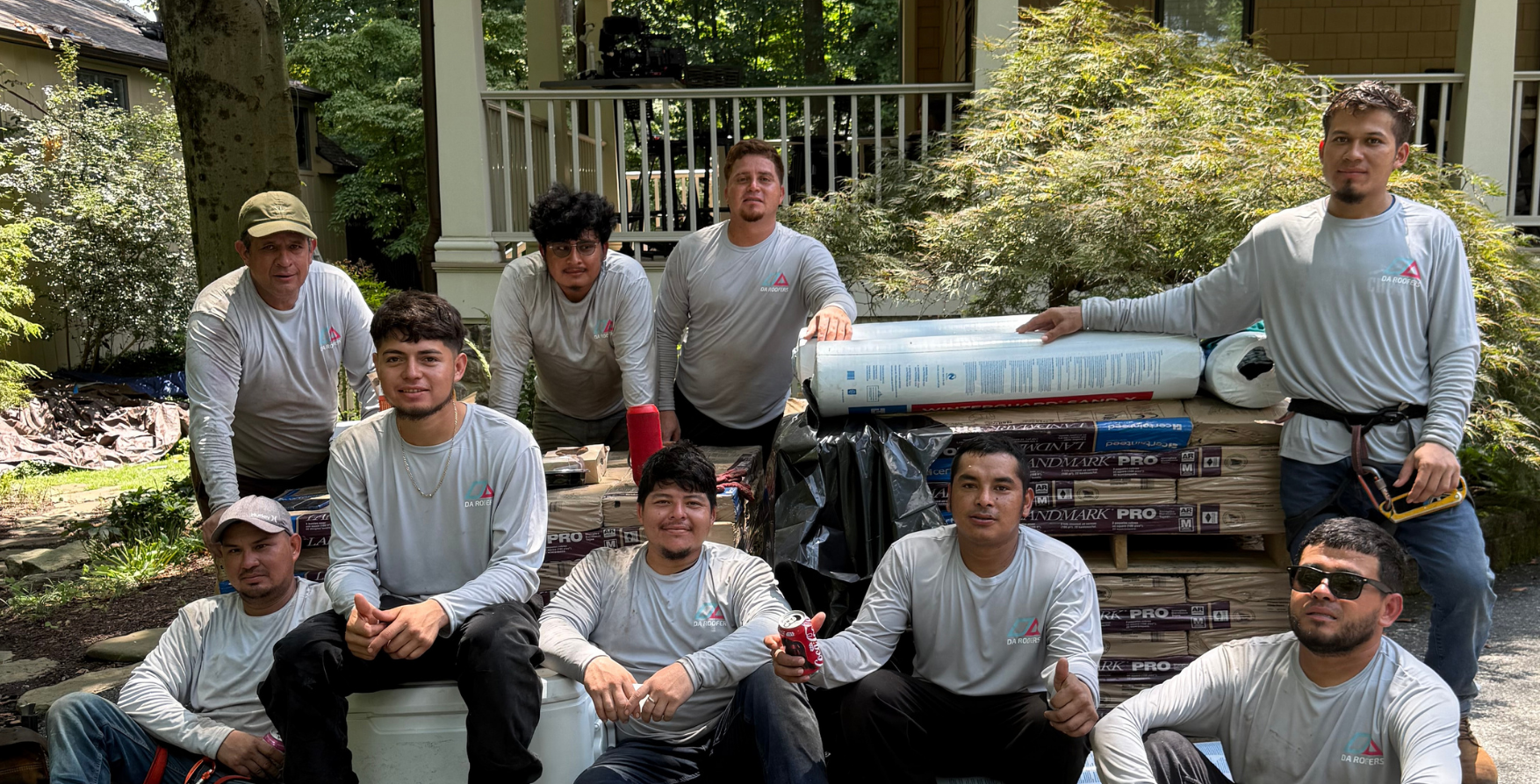
DMV roofing team from Da' Roofers.
FAQs
1. What does it mean when a roofing company is certified?
It means the company has completed professional training, passed testing, and follows strict installation and ethics standards set by a roofing manufacturer.
2. Are certified roofers better than non-certified roofers?
Certified roofers have proven knowledge, training, and accountability. While experience matters, certification adds an extra layer of trust and protection.
3. Do roofing certifications affect warranties?
Yes. Many extended or premium warranties are only available when a certified contractor installs the roof.
4. Does certification make roofing more expensive?
Not necessarily. It often saves money long-term by reducing repairs, leaks, and early roof failure.
5. How can I check if a roofer is certified?
Certified roofers are usually listed on the manufacturer’s “Find a Pro” tools or they can provide proof upon request.
6. Is Da’ Roofers licensed and insured as well?
Yes. Certification goes hand in hand with proper licensing, roof insurance, and professional standards.
