

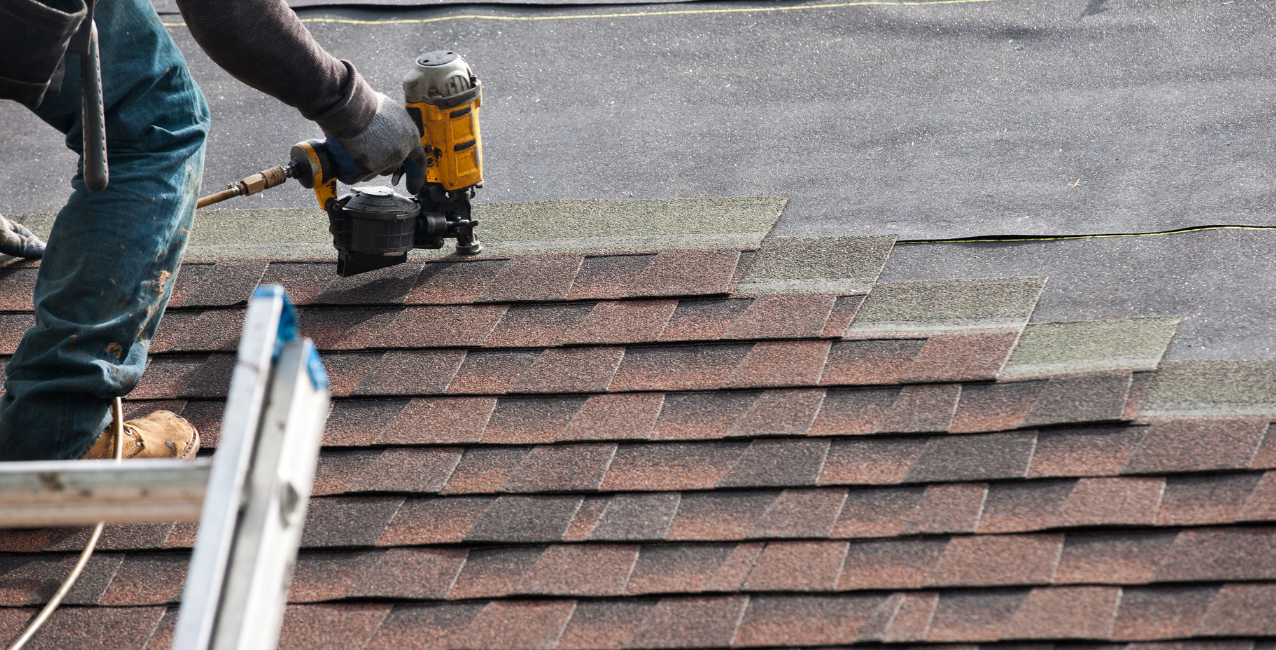
Roof replacement project in Maryland
When your roof is nearing the end of its life, one of the biggest decisions you’ll face is choosing the right replacement material. It’s not just about picking what looks nice (though that is important too)! Your choice can determine how much maintenance you’ll need to keep up with and how well your home stands up to Maryland weather.
Anyone who has lived here for long enough knows that Maryland has its fair share of weather challenges. We deal with hot and humid summers, cold, snowy winters, and powerful storms that can roll in with little warning. All of that means you need a roof that’s up to the task. What are the best materials for a Maryland roof? The best ones you can choose are:
Asphalt shingles
Metal
Synthetic shingles
Cedar shake
Slate
In this article, we’ll walk you through these roofing materials; how they hold up, their pros and cons, and which ones might make the most sense for your budget and lifestyle.
Asphalt Shingles
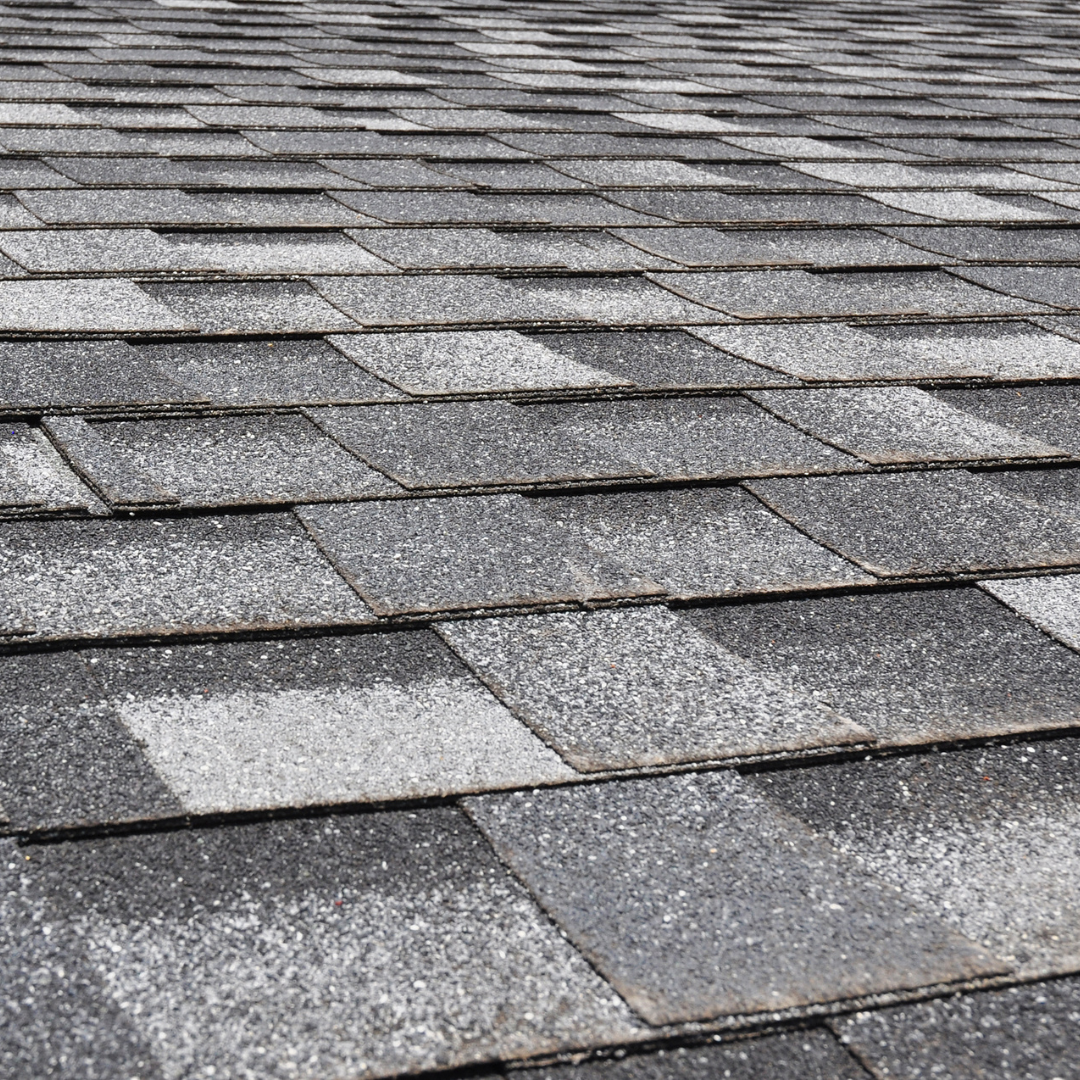
Asphalt shingles installed on a residential roof
Asphalt shingles are the most common roofing material in Maryland and across the U.S. The main reason they're so popular is because they strike a balance between affordability and performance. There are a few types of asphalt shingles you can choose from:
1. 3-Tab Shingles
These are the basic, flat shingles that used to be the go-to option. Though 3-Tab shingles are the most budget-friendly, they have the shortest lifespan. However, many manufacturers are phasing them out, so you may not find them so easily.
2. Architectural Shingles
Architectural shingles are also called dimensional shingles. They are thicker than 3-tab shingles and have a more attractive, layered look. They’re the most popular shingle choice today for homeowners in Maryland.
3. Luxury Shingles
This is the high-end option in the asphalt family. Luxury shingles are designed to look like slate or wood shakes. They’re bigger, more durable, and add a premium touch to your home, but they are the most costly asphalt shingle option.
Pros of Asphalt Shingles:
Affordable compared to other materials
Easy to install and repair
Plenty of colors and styles available
Widely stocked by local suppliers
Cons of Asphalt Shingles:
Shorter lifespan (typically 20–30 years)
Vulnerable to wind damage and hail
Requires occasional maintenance
Can lose granules over time
Asphalt shingles are best for homeowners who want to balance cost, availability, and performance. Architectural shingles are especially popular in Maryland suburbs, like Silver Spring, where neighborhoods value uniformity and curb appeal.
Metal Roofing
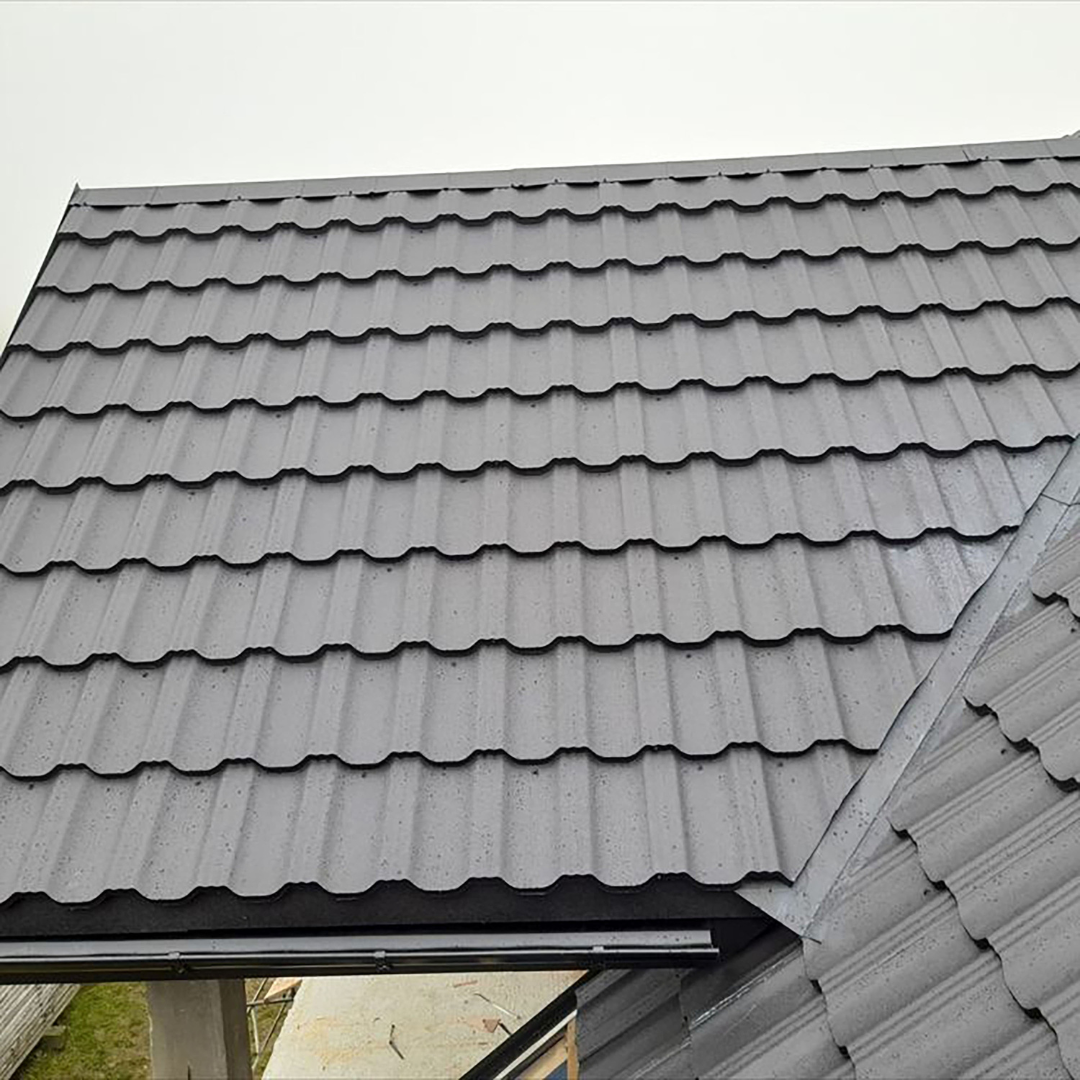
Close-up of metal roof panels
Metal roofing has been gaining popularity in Maryland, especially in neighborhoods where homeowners want something modern and long-lasting. Metal roofing is typically strong, durable, and performs well against storms. Like asphalt shingles, there are also different types of metal roofing. The different types of metal roofs are:
1. Exposed Fastener (Screw-Down)
These are metal panels that are screwed directly into your roof deck. Although they are affordable, they require regular maintenance because the screws loosen over time. That means you have to get your roofer to tighten them back frequently.
2. Standing Seam Metal
Standing seam metal roofs are the preferred option for most homes. The panels for this type of roof lock together with hidden fasteners, allowing the roof to expand and contract with temperature changes without loosening. It perfectly solves the issue of exposed fasteners.
Pros of Metal Roofing:
40–50 year lifespan with proper installation
Excellent resistance to storms and high winds
Modern and stylish appearance
Reflects sunlight, helping you reduce energy costs in summer
Cons of Metal Roofing:
Higher upfront cost than shingles
Can be noisy during heavy rain without proper insulation
More difficult to repair if damaged
Oil canning (a wavy look) can occur on the panels
Metal roofs are best for homeowners planning to stay in their house long-term who want durability and are willing to invest more upfront. Standing seam metal roofing works especially well in Maryland neighborhoods where modern design and longevity are priorities.
Synthetic Shingles
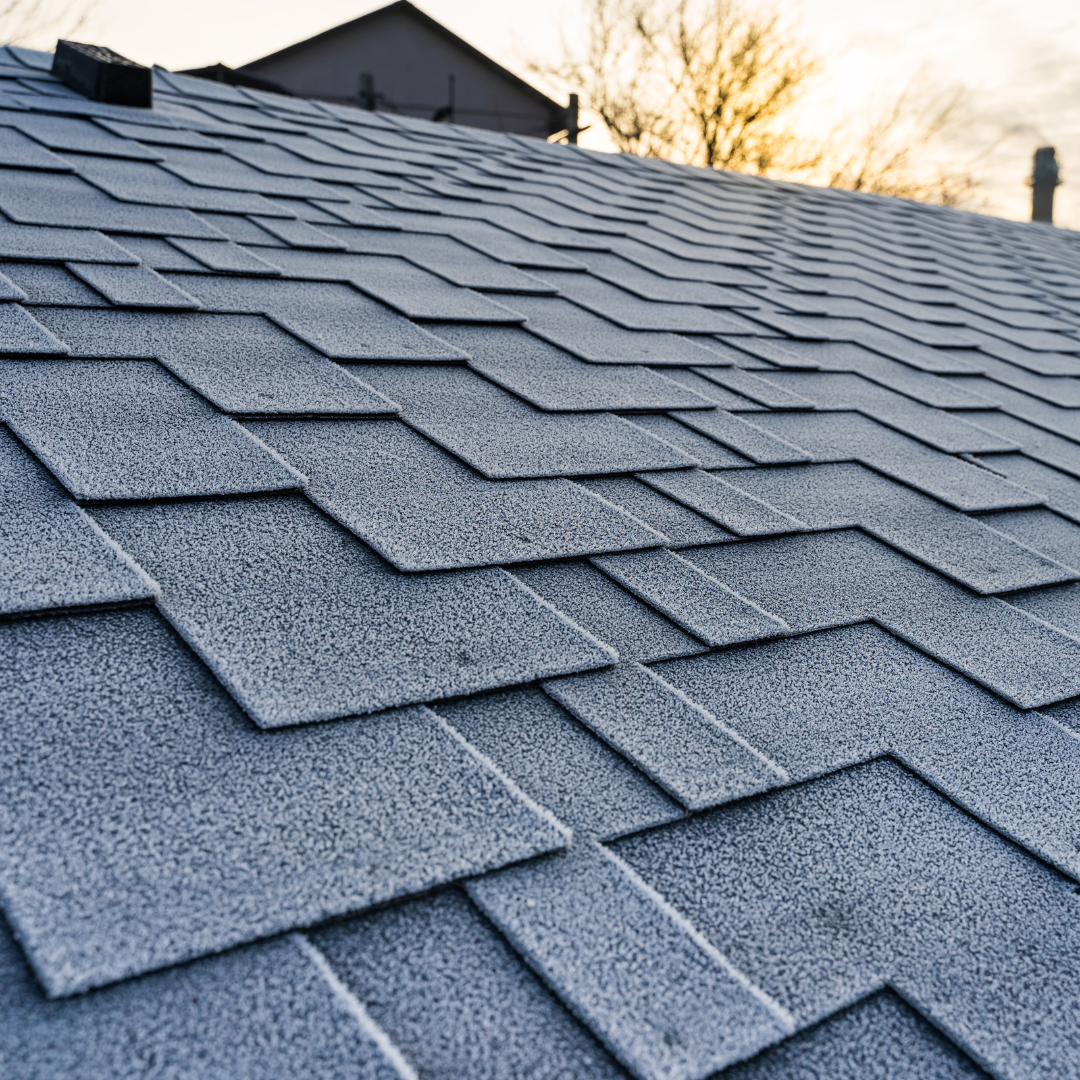
modern synthetic roofing shingles
Synthetic shingles (also called composite shingles) are a newer option in the roofing industry. They're designed to mimic high-end materials like slate or cedar shake but are made from recycled or engineered materials.
Pros of Synthetic Shingles:
Eco-friendly (they're often made from recycled products)
Lightweight compared to natural slate or wood
Resistant to cracking, splitting, and rotting
Class 4 impact rating (excellent storm resistance)
Very high curb appeal
Cons of Synthetic Shingles:
More expensive than asphalt shingles
Limited availability compared to traditional materials
Because it’s newer, not every roofing contractor has experience installing them
Synthetic shingles are perfect for Maryland homeowners who want the look of slate or cedar shake without the high maintenance or heavy weight. They're great for historic neighborhoods in Maryland - a less expensive way to maintain that historic style.
Cedar Shake Roofing
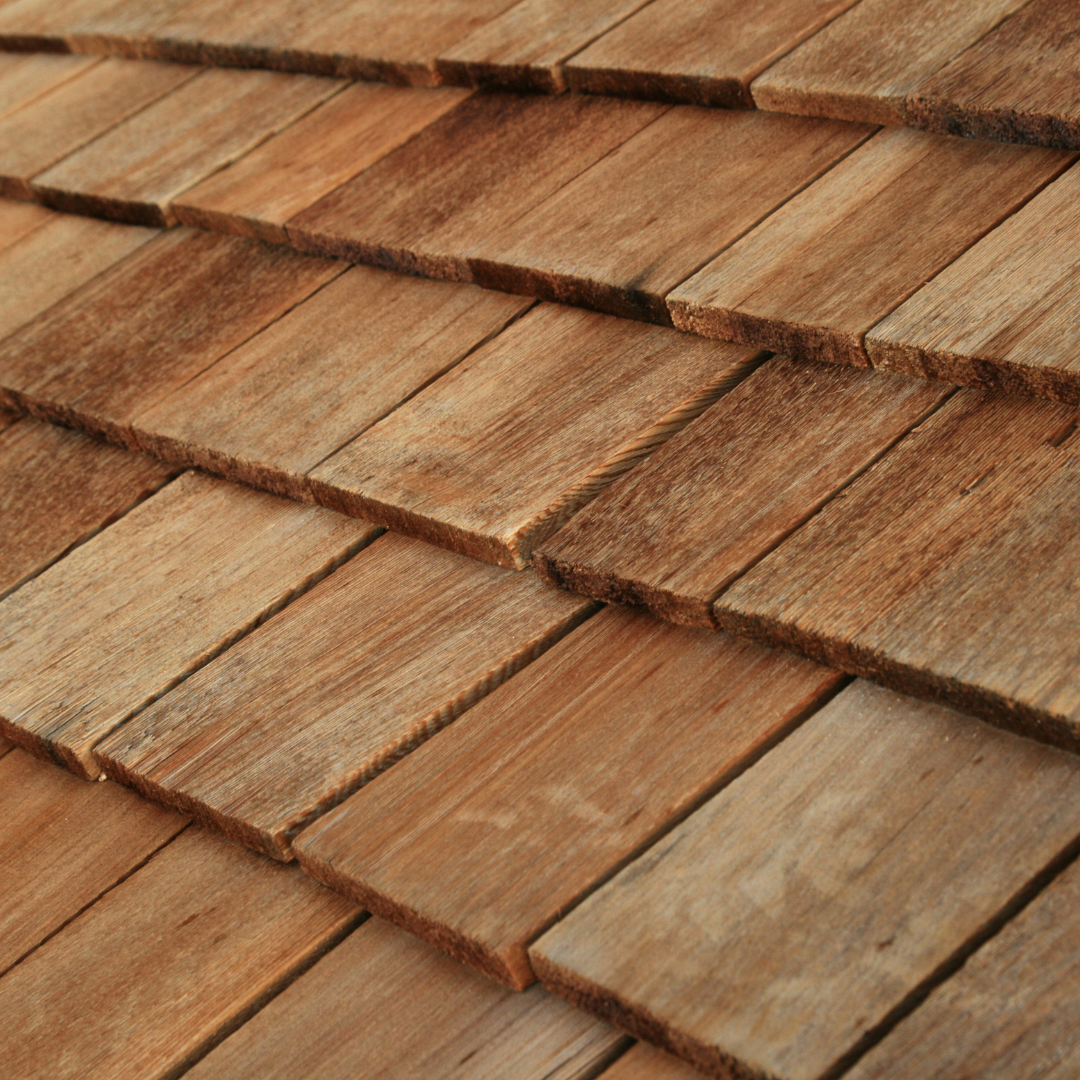
Cedar shake roof installed on residential home
Cedar shake roofs offer a natural, rustic look that you can’t get from other materials. They’re made from real cedar wood, which gives each shingle a unique character. If you want something unique, this is the best for you.
Pros of Cedar Shake:
Beautiful, timeless curb appeal
Good insulation properties
Can last 30 years or more with proper care
Cons of Cedar Shake:
Expensive compared to asphalt shingles or metal roofs
Requires regular maintenance to prevent rot and moss
Will lose its fresh color and weather to gray over time (but this is part of the look!)
Vulnerable to fire unless specially treated
Cedar shake is a great fit for homeowners who love the natural look and don’t mind yearly upkeep. Cedar shake works well in suburban or wooded areas of Maryland where a rustic style blends nicely with the environment.
Slate Roofing
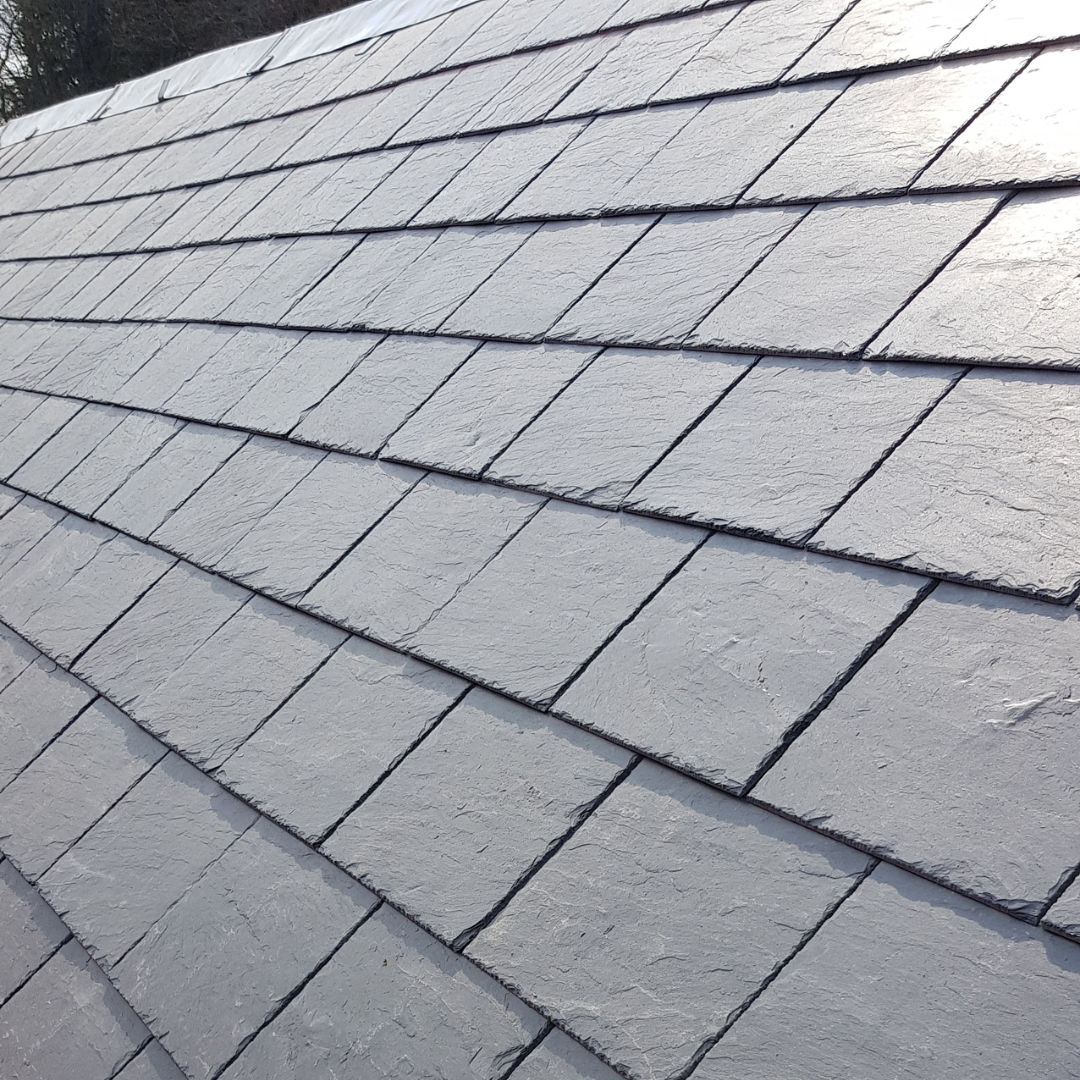
Natural slate roofing tiles
Slate is the top tier of roofing materials. It’s made from natural stone and can last for generations. That's a lifespan no other material can match.
Pros of Slate:
Lifespan of 75–100 years
Extremely durable and weather-resistant
High-end curb appeal
Fire-resistant
Cons of Slate:
Very expensive, one of the priciest options available
Heavy (many homes need reinforcement before installation)
Fragile if walked on, making repairs tricky
Requires skilled contractors for proper installation
Slate roofs work best for homeowners with historic or high-end homes who want the best of the best. It’s a long-term investment but provides unmatched beauty and longevity.
Why Your Roofing Material Matters in Maryland
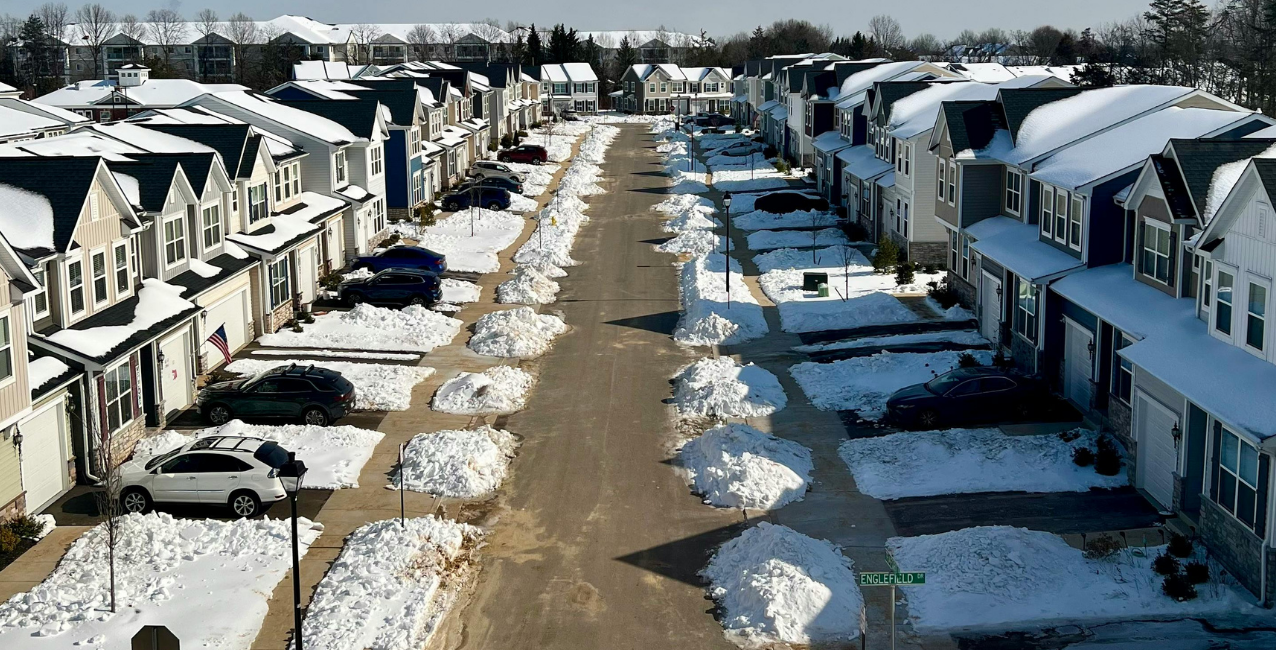
Maryland neighborhood homes during winter
Maryland sits in a climate zone that sees a little bit of everything. In the summer, temperatures can climb past 100 degrees with humidity to match. In the winter, snow and ice can put a heavy load on your roof. Add in thunderstorms, high winds, and the occasional nor’easter, and it’s clear why choosing the right roofing material is very important.
The material you pick can affect:
Longevity: Some roofs last 20 years, while others can go 50 or more.
Storm resistance: Strong winds, hail, and heavy rain are common here, so you need something resistant.
Energy efficiency: Roof materials can help lower your summer AC bills.
Curb appeal: Your roof is a huge part of your home’s appearance. Curb appeal is a real thing!
What’s the Best Choice for Maryland Homeowners?
The best choice for your home comes down to your priorities.
On a budget? Architectural asphalt shingles give you good value for money.
Want a roof to last decades? Standing seam metal and slate are an excellent choice.
Looking for premium curb appeal? Synthetic shingles and slate are the way to go.
Love natural looks? Cedar shake is charming but requires care.
Because Maryland weather can be unpredictable, durability should always be part of your decision. For a closer look at what makes a roof durable and how to pick the right one for your Maryland home, see our guide on choosing durable roofing materials. Metal and synthetic shingles are especially good for storm protection, but the best option is to ask your roofer for advice.
Final Thoughts
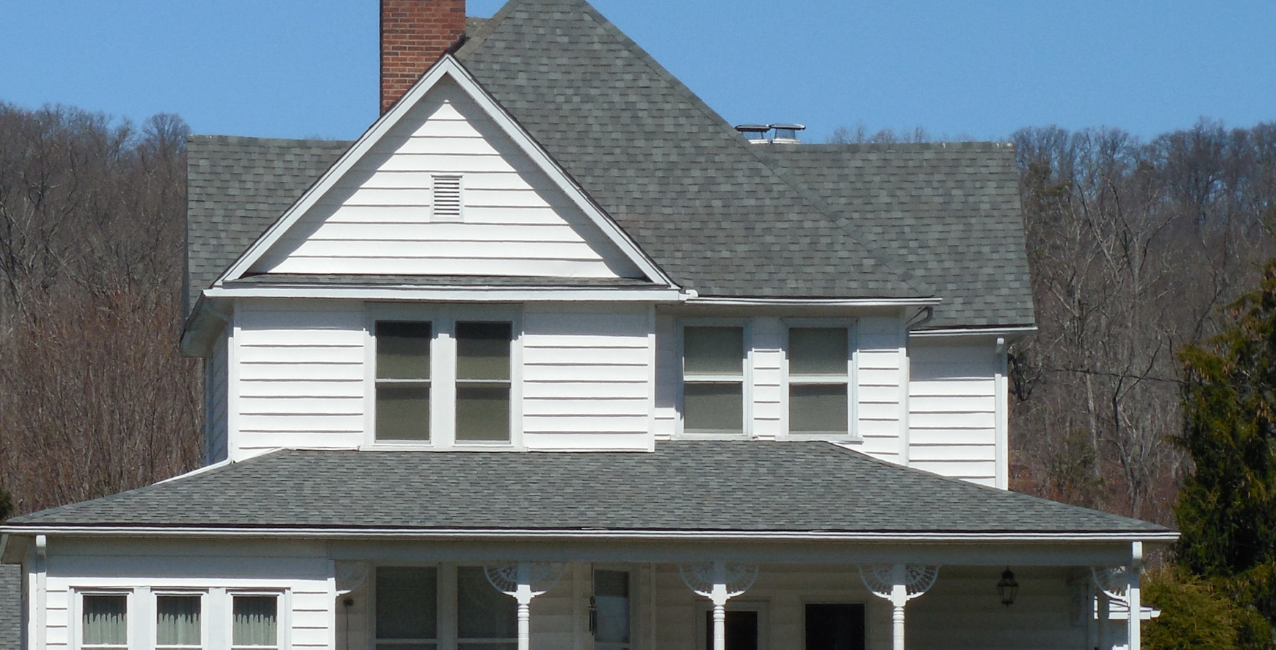
Completed residential roof in Maryland
Your roof is one of the biggest investments you’ll make in your home. In Maryland, where we face everything from hot summers to snowy winters, the material you choose plays a huge role in how well your home is protected.
Whether you go with budget-friendly asphalt, sleek and strong metal, or high-end slate, the key to picking the right roofing material is to work with a local roofing contractor who understands the challenges of our Maryland climate, like Da’ Roofers!
FAQs
1. What is the most durable roofing material?
Slate and metal are the most durable materials for roofing. Slate can last a century or more, and standing seam metal roofs often lasts 40–50 years.
2. What is the cheapest roof to install?
3-tab asphalt shingles are the cheapest roof to install. However, architectural shingles are a better long-term investment because they last longer and look better.
3. Can I replace just part of my roof?
In some cases, yes. But if damage is widespread or your roof is near the end of its lifespan, a full replacement makes more sense. Also, when repairing your roof, roofers will try to match the shingle as closely as possible, but perfect matches are almost impossible. Also, with sun fading on existing shingles, adding in new shingles will stand out even with the closest match.
4. How do I know it’s time for a new roof?
The common signs indicating that you need a new roof include missing shingles, frequent leaks, sagging, and a roof that’s over 20 years old. If you’re not sure if your roof is ready for a replacement, have a local roofer do an inspection. It's better for the experts to decide.
