

How Do You Pay for a New Roof in the DMV? A Simple Guide from Da’ Roofers
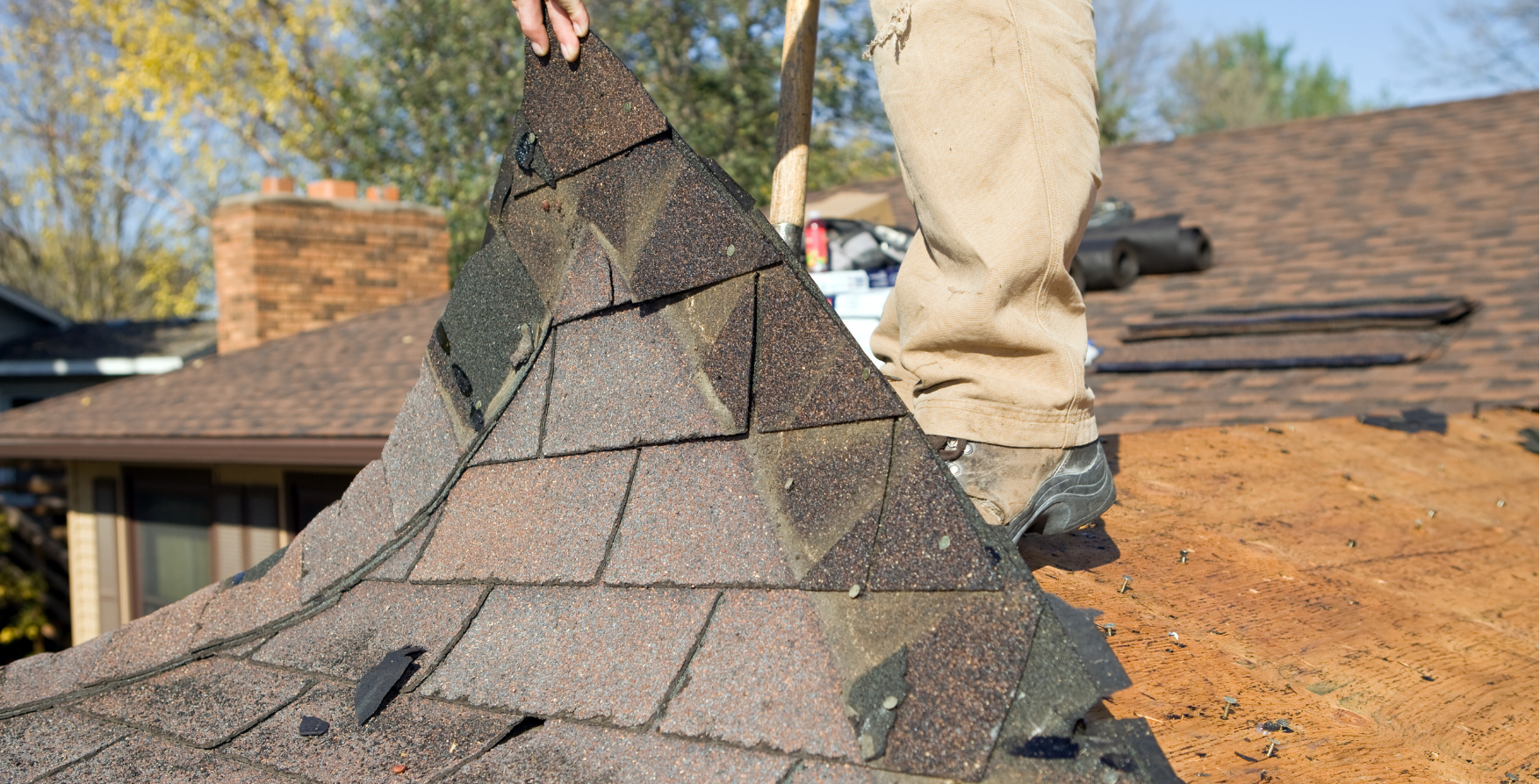
Old roof being removed during residential roof replacement in DMV
Let’s say your roof is leaking; shingles are falling off, or a storm just rolled through your Montgomery County, Great Falls, or DC house. You call a roofer, they inspect everything, and then comes the big question: How do you actually pay for a new roof?
That’s the part most homeowners don’t think about until the estimate is sitting right in front of them. The short answer is this: you have more payment options than you probably realize. You could pay out of pocket, finance through a roofing company, use a HELOC, or even a personal loan.
In this guide, we’ll explain the main ways people in the DMV pay for a roof replacement. Let's dig in!
Why Roof Payments Feel Confusing at First
Most people buy a phone, a TV, or even a car more often than they buy a roof. A roof is a big purchase, and it usually shows up unexpectedly. One day, everything’s fine.
The next day, there’s a leak in your ceiling.
That’s why payment options matter. At Da’ Roofers, the goal isn’t just to install roofs, it’s to help homeowners understand what they’re paying for and how to handle the cost without stress. Let's move on to the options you have.
Paying Out of Pocket: The Straightforward Option

Paying for roof installation DMV
Paying out of pocket simply means using your own money. No loans. No financing. No monthly payments. You can do this by:
Check
Debit card/ACH Bank Transfer
Credit card (some fees may apply)
Homeowners like this option because there’s:
No interest at all
No monthly bills to track
No waiting on approvals
However, it’s not for everyone. Why is that?
It’s a big upfront expense
It can drain savings fast
Not ideal if the roof damage was unexpected
In the DMV, this option is common for smaller roof replacements or homeowners who planned ahead and set money aside.
Financing Through a Roofing Company
This is one of the most common ways people pay for a new roof today. Da’ Roofers works with Enhancify Finance to give homeowners lots of options to help spread the cost of a roof over time.

Da’ Roofers DMV roofing company logo
What financing with us looks like
Flexible plans
Monthly payments
Flexible loan terms (for example, 12, 24, or 60 months)
0% - APR Promotional Financing Options
Fast and secure process (funding available as quickly as in 1 Business Day)
Instant Pre-Approval
Trusted lenders
Important thing to note: Approval depends on credit. The roofer doesn’t control that part, but a good contractor will explain your options clearly and honestly.
For many families in DC, Northern Virginia, and Maryland, financing makes it possible to replace a roof now, instead of waiting and allowing damage to get worse.
Using a Home Equity Line of Credit (HELOC)

Home equity loan paperwork DMV
A HELOC lets you borrow against the value of your home. Think of it like a credit line tied to your house.
Why homeowners choose HELOCs:
Lower interest rates than most personal loans
Longer repayment periods
Possible tax benefits (depending on your situation)
However, there are also some downsides to think about:
Your home is used as collateral
Approval can take time
Requires good credit and enough equity
This option works best for homeowners who have lived in their home for years, plan to stay long-term, or want lower interest over time.
Paying for a Roof with a Personal Loan
Personal loans are another option, especially if other financing isn’t available. What they usually involve:
Fixed monthly payments
No home collateral
Higher interest rates
Noticeable impact on your credit score
This isn’t the most popular choice, but sometimes it’s the only realistic one, especially when a roof problem can’t wait.
Can Insurance Pay for a New Roof?

DMV Roof repair insurance claim document
This is the question almost everyone asks first.
Yes, insurance can pay for a new roof, but only in certain situations. Insurance usually covers roof damage caused by:
Strong wind
Hail
Fallen trees or branches
Storm-related events
Insurance usually does NOT cover:
Old age
Normal wear and tear
Poor installation
Lack of maintenance
Ventilation problems
If your roof is just worn out, insurance won't help. But if storm damage is involved, Da' Roofers can inspect the roof, document the damage, and help guide you through the claims process, including how recoverable depreciation payments actually work.
Approval still depends on the insurance company, though, but having an experienced local contractor makes a big difference.
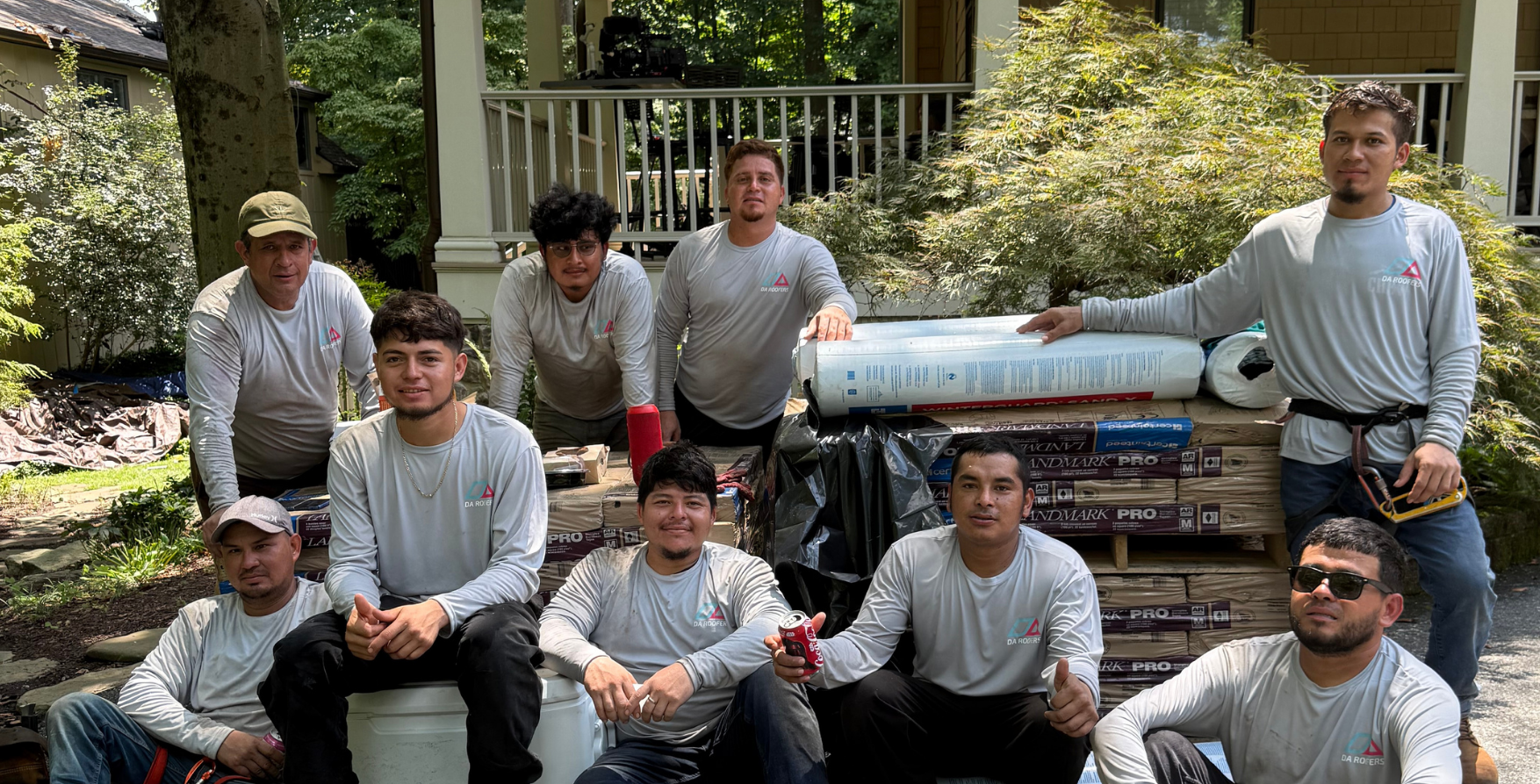
Da’ Roofers DMV Team
Why Da’ Roofers Explains Payment Options Upfront
Da’ Roofers serves homeowners across Washington D.C, Maryland, and Northern Virginia. Instead of pushing one payment method, we focus on education. That means explaining:
What each option really costs
What makes sense for your situation
What to avoid
A roof is a long-term investment. You shouldn’t feel rushed, confused, or pressured while paying for it.
Final Thoughts
Paying for a new roof doesn’t have to feel overwhelming. Whether you pay out of pocket, finance, use home equity, take a personal loan, or go through insurance, there’s no single “right” answer — only the right choice for you.
Da’ Roofers believes that when homeowners understand their options, they make better decisions and feel more confident about their investment.
FAQs
1. How much does a new roof cost in the DMV?
Roof costs vary based on size, materials, and complexity. In the DMV, most residential roof replacements fall within a wide range, which is why inspections and written estimates matter.
2. Is financing a roof a good idea?
For many homeowners, yes. Financing allows you to replace a damaged roof immediately while spreading payments out over time.
3. Can I pay a roofer with a credit card?
Some roofing companies accept credit cards, but there may be processing fees. Da’ Roofers accepts credit cards with a 3% fee.
4. Will homeowners’ insurance cover a leaking roof?
While each policy is different, most insurance policies only cover roof damage caused by natural events like wind, hail, storms, and tree damage. Leaks from age or normal wear are usually not covered.
5. How do I know which payment option is best?
It depends on your budget, credit, timeline, and whether insurance applies. A good roofing contractor will explain all options clearly before work begins.
