

How to Spot Wind Damage to Your Roof
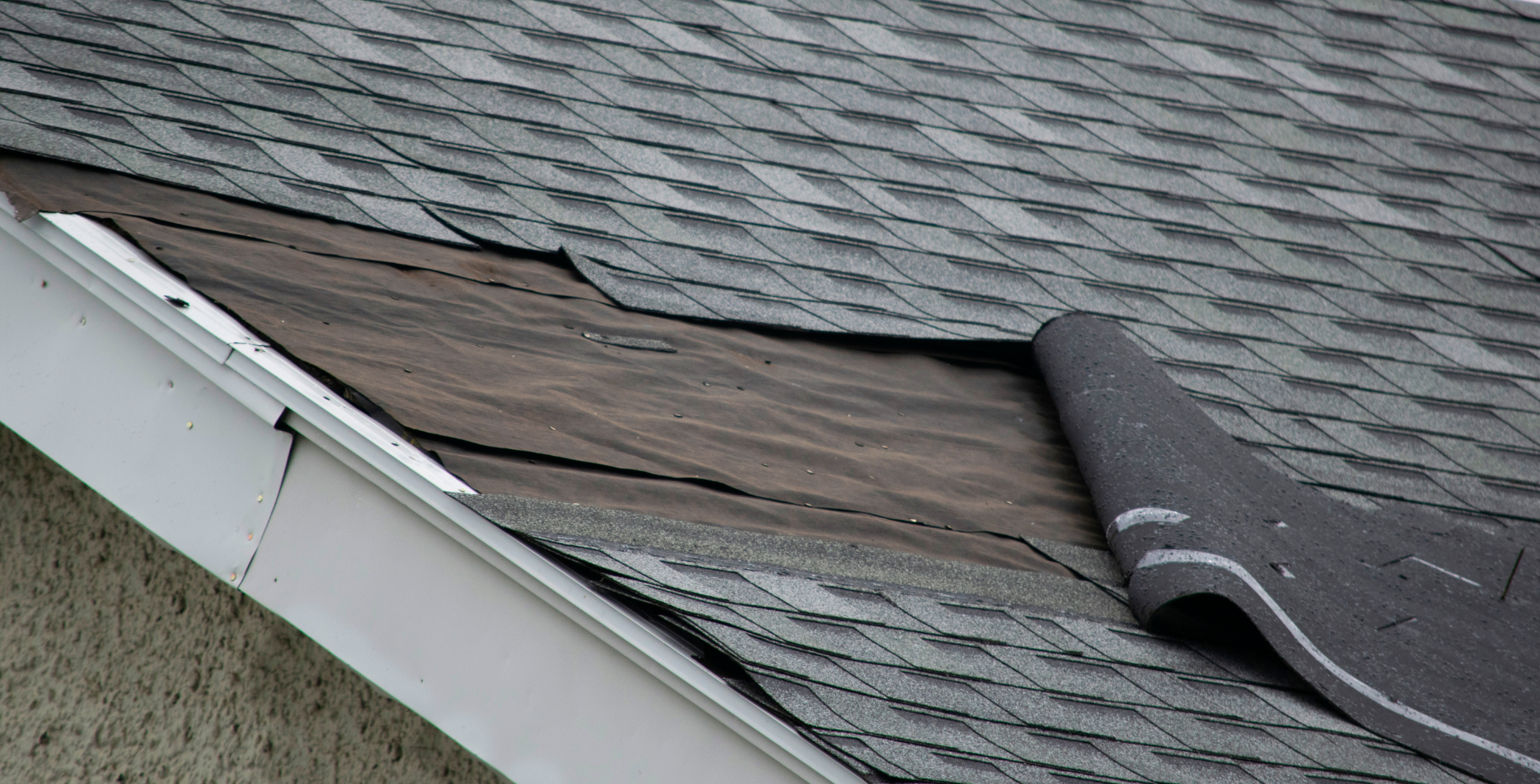
Damaged roof shingles after strong wind storm Maryland
The Maryland weather can flip fast sometimes. You could have beautiful clear skies in the morning, and loud gusts of wind by dinner. Strong wind is one of the top reasons people file roof insurance claims. The trouble is; not all wind damage is obvious.
The most obvious signs of roof damage include:
Missing shingles
Lifted or creased shingles
Torn shingle pieces around vents, ridges, or eaves
Bent or loose flashing
Debris impact
If you miss the signs of roof damage, your roof can start to leak and you could run out of time to file a claim. You definitely don't want that, so let's help you fix that. In this article, we'll show you how to spot wind damage the simple way. Then we’ll go step-by-step on what to do next so your home stays dry and your claim stays on track. Let's get into it!
How To Spot Wind Damage On Your Roof
Wind damage is easier to catch than hail, but you still need to know what to look for, especially around Maryland rowhomes and suburbs with tall trees, and open, windy spots.
1) Missing Shingles
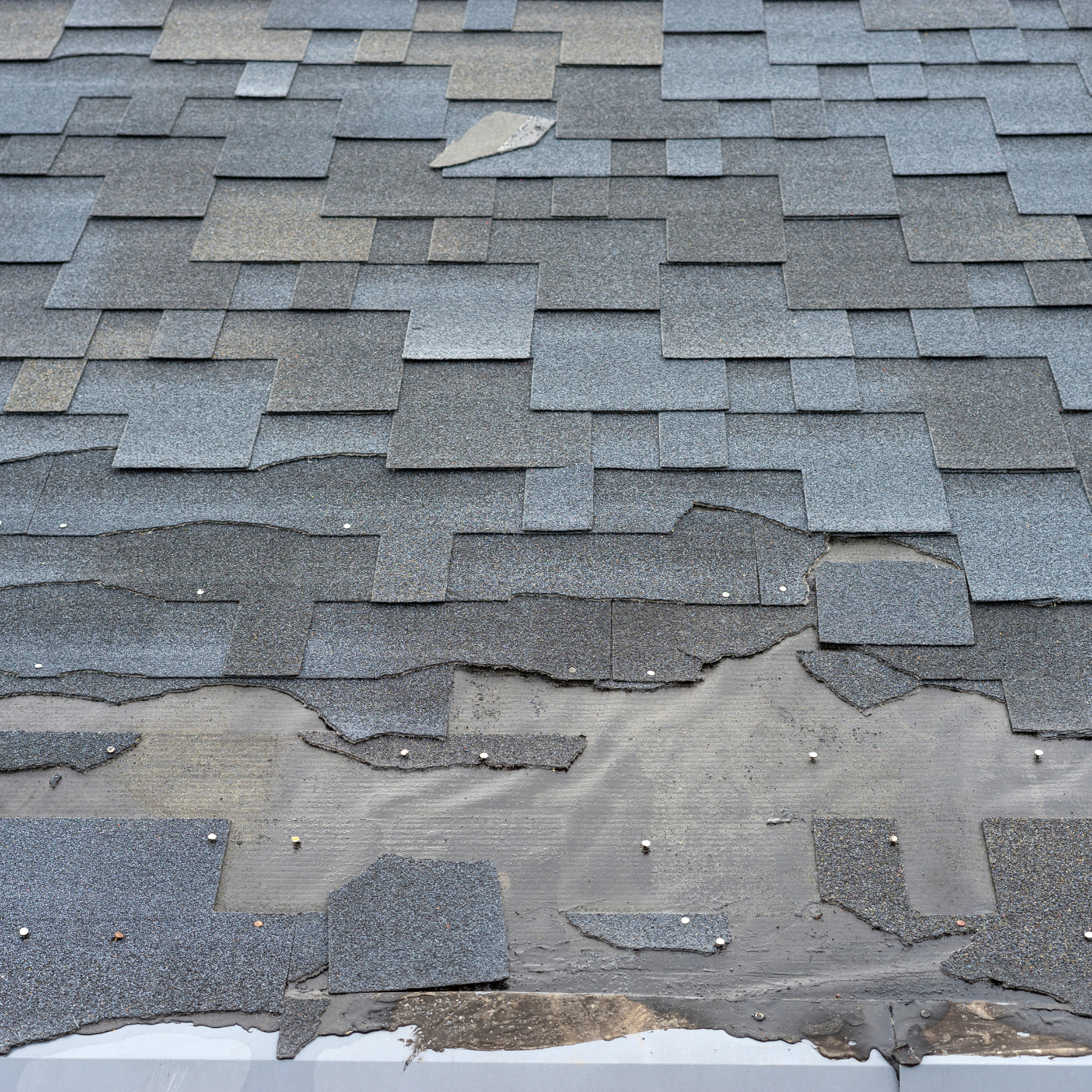
Roof with missing shingles after wind storm
This is probably the most obvious sign of roof damage caused by wind. It's also the easiest to spot. If you see shingles in your yard, driveway, or stuck in a fence after a strong wind, that’s definitely a clear sign that your roof has suffered wind damage. The worst part is; missing shingles can cause leaks really fast. Even one missing piece will allow water to come in.
2) Lifted or creased shingles
This sign is a little harder to spot, but it's also a clear way to tell if your roof has wind damage. From the ground you might notice some of the shingle edges lifted or bent. However it's not really visible until you get up close. The creases look like a sharp line across the shingle where wind folded it back.
Creased shingles are a hidden danger. They have a weak seal and often fail in the next storm. So if you happen to notice any after a storm, get your roof checked ASAP.
Safety note: Most times, you'll need a roofer to confirm lifted/creased shingles. Walking a wind-hit roof is pretty risky, and hidden damage is easy to miss. Always put your safety first. A pro inspection by a trusted roofing contractor is the smart move.
3) Torn shingle pieces around vents, ridges, or eaves
Wind damage often starts around the edges first. If you find torn shingle corners or loose granules near your ridge caps, eaves, and around pipes or skylights, it's a sign that you might have suffered some roof damage.
4) Bent or loose flashing
The metal flashing around your chimneys and walls can get pried up by strong wind, especially on older homes with brick chimneys and step flashing along your walls. If you notice any damage there, it might be that other parts of your roof are affected too.
5) Debris impact - something hit your roof
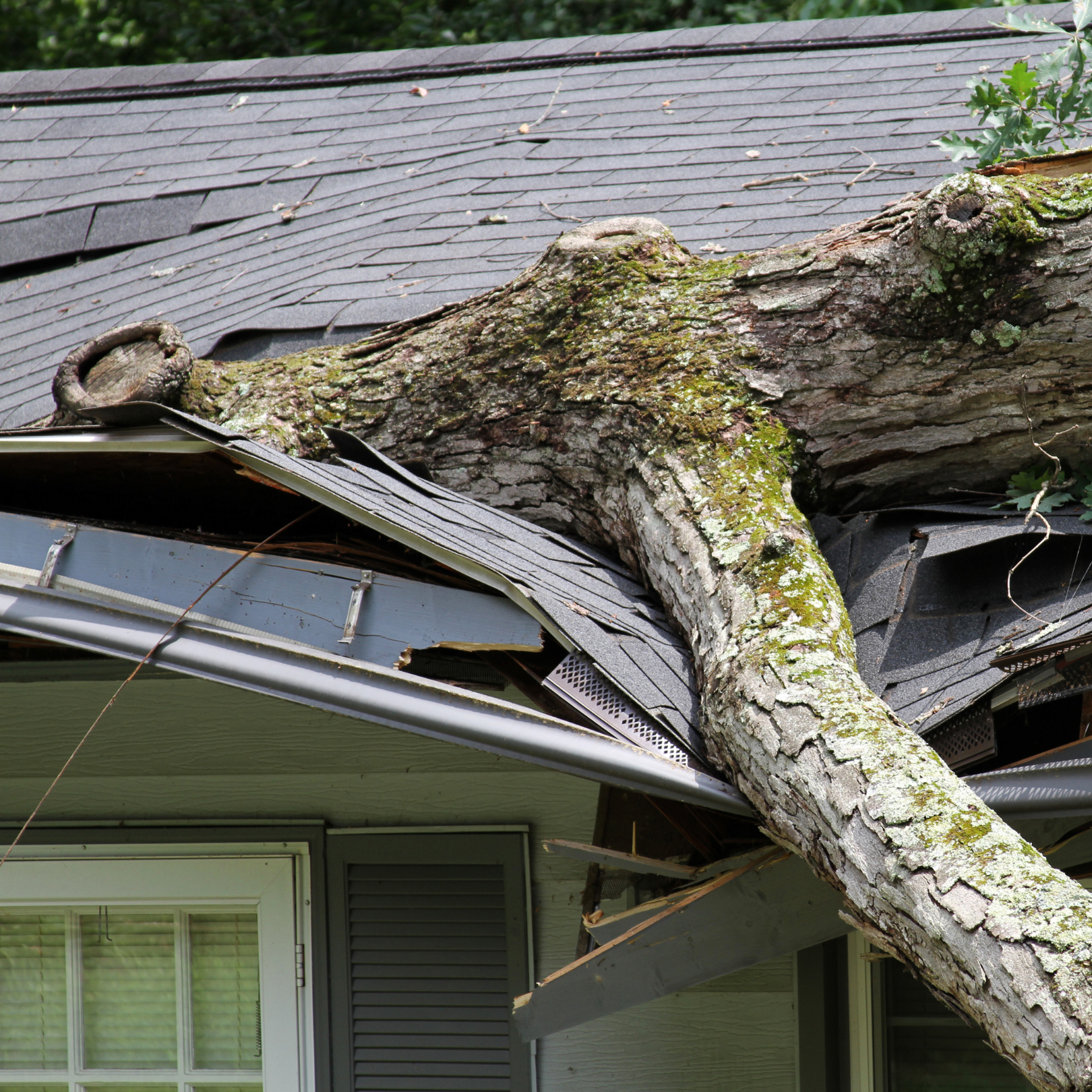
Tree fallen on roof after wind storm
Branches blown off trees due to wind can dent, puncture, or scrape your roof shingles. So if you see fresh branches in your yard, there may be damage to your roof as it may have hit your roof or scratched it up.
Important: If the roof wasn't installed correctly in the first place (bad nailing, missed seal strips, wrong starter course), it's more likely to get damaged when hit by strong winds. And unfortunately, insurance usually won’t cover problems caused by faulty installation. That's why it's important to work with a reputable local roofer, so you can know what’s storm damage and what's an installation error.
3 Things To Do When You Spot Wind Damage
Here are 3 things to do once you spot wind damage on your roof:
1) Review Your Homeowners Insurance Policy

Home insurance paperwork for roof damage claim
The first step is to know what your policy covers. Pull out your paperwork and look for the payout type on your insurance policy. There are two types of payouts homeowners can receive from the insurance company when they file a claim:
Actual Cash Value (ACV):
Most people don't want this payout for obvious reasons: With this type of policy, the insurance company pays the depreciated value of your roof, AKA what it’s worth today. It usually won’t cover the amount you'll need for a full replacement. That means you'll have to pay the rest of the roofing contractor's bill.
Replacement Cost Value (RCV):
This is definitely the preferred option among the two, but it may cost more with your insurance premiums. It involves the insurance company paying to replace your roof with a brand-new, same kind and quality roof, minus your deductible. With this type of policy….
You first get a check for the ACV portion.
The insurer holds back the rest as recoverable depreciation.
After the new roof is installed per the claim, you submit proof of completion (invoice, photos, completion docs).
Then your insurance company will release the second check for the depreciation.
If the work isn’t completed or the claim terms aren’t followed, the insurance company may not pay that second check.
If you want a roof upgrade (e.g., 3-tab to architectural shingles, or higher wind-rated components), that’s fine, too. You just have to pay the extra amount to complete the upgrade out of pocket
2) Contact Your Insurance Company To Start The Claim
Once you've reviewed your homeowners policy, the next step is to call your roofer to check for insurable damage before you call the insurer to file the claim and share what you’ve seen. From here, one of two things usually happens in Maryland:
They send an adjuster to inspect and decide if there’s a covered loss.
Or they ask you to get a roofer’s inspection first, but since you've already done that, you'll just need to provide the necessary documentation, and an adjuster will visit to confirm.
Either way, always remember that the insurance adjuster makes the approval decision. Your roofer can’t approve a claim, but a good one advocates for you by meeting the adjuster, showing photos, and pointing out storm-related damage that’s easy to miss.
3) Choose A Local Roofer With Insurance Experience
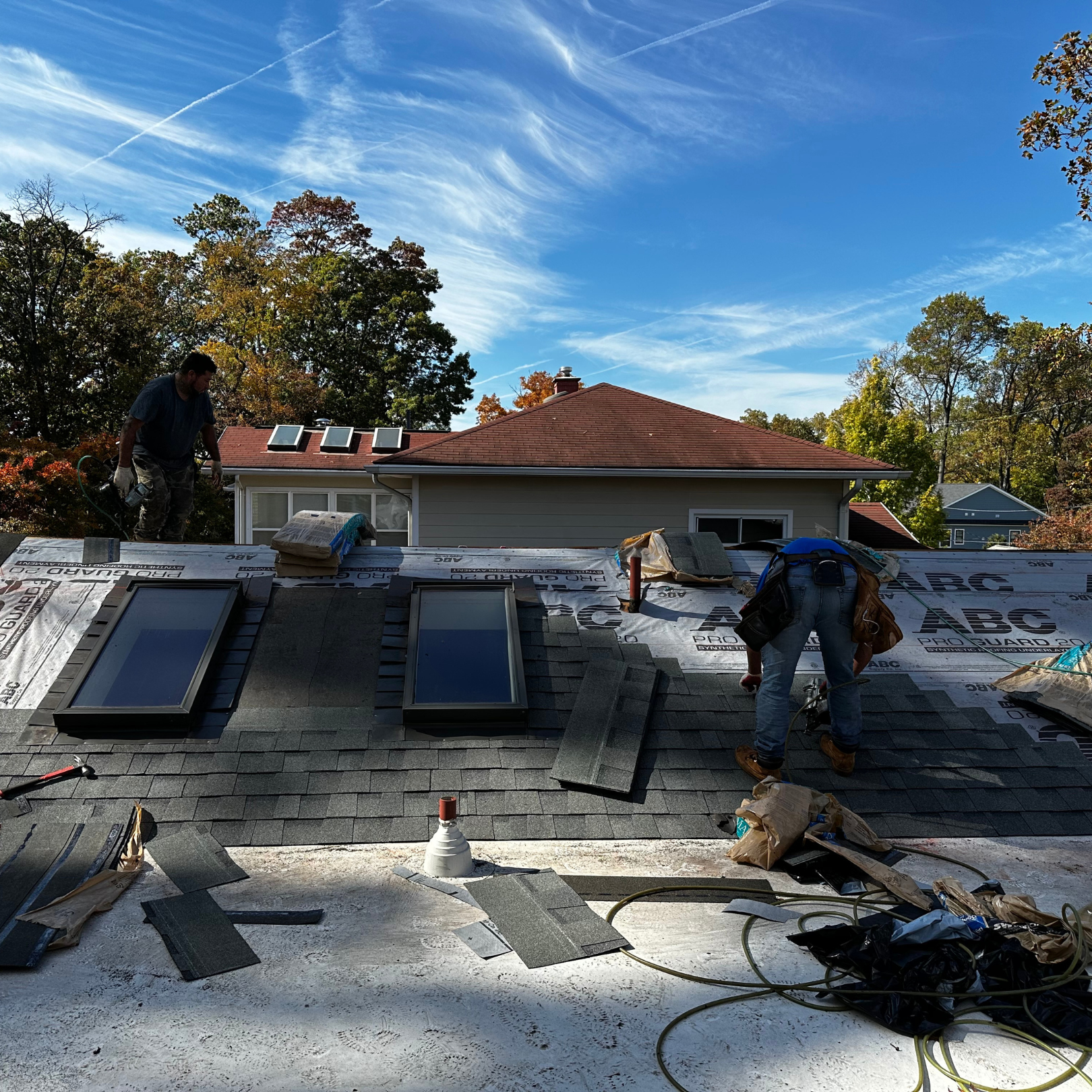
Maryland licensed roofer working on residential roof
Choosing a local roofer might not seem all that important, but it actually matters a lot in Maryland, especially after big wind events. A seasoned local roofer knows our building codes, typical roof types (including flat and low-slope on Maryland rowhomes), and common wind patterns.
Experienced local roofers can spot the damage and make sure homeowners have a valid reason to file a claim before they do. They’ll also read your claim correctly, spot missing line items, and supplement with proper documentation so the scope matches what it really takes to fix the roof right. Local roofers will also have all necessary permits, licenses, and insurance, and will definitely have your back when the adjuster comes. They're your guardian angel.
Watch out for storm chasers: It's quite common for out-of-state crews to roll in, undercut prices, and rush installations after a storm. We call them storm chasers. They don’t stick around for service calls, they may ignore local codes, and when problems show up, suddenly their phone “doesn’t work.” It’s best to pick a roofer with a real Maryland address, solid reviews, and photos of local projects, like Da’ Roofers.
Conclusion
Wind damage might look small today but can turn into a leaky roof next week. It's not something you should wait on. Acting quickly protects three things: your home, your claim window, and your wallet. If you wait, it’s gonna cost more than it should.
The main signs that your roof has suffered some wind damage include: missing/ lifted/ creased shingles, bent or loose flashing, and debris from neighboring trees. If you see any of these indicators, it might be time to contact your roofer and insurance company.
FAQs
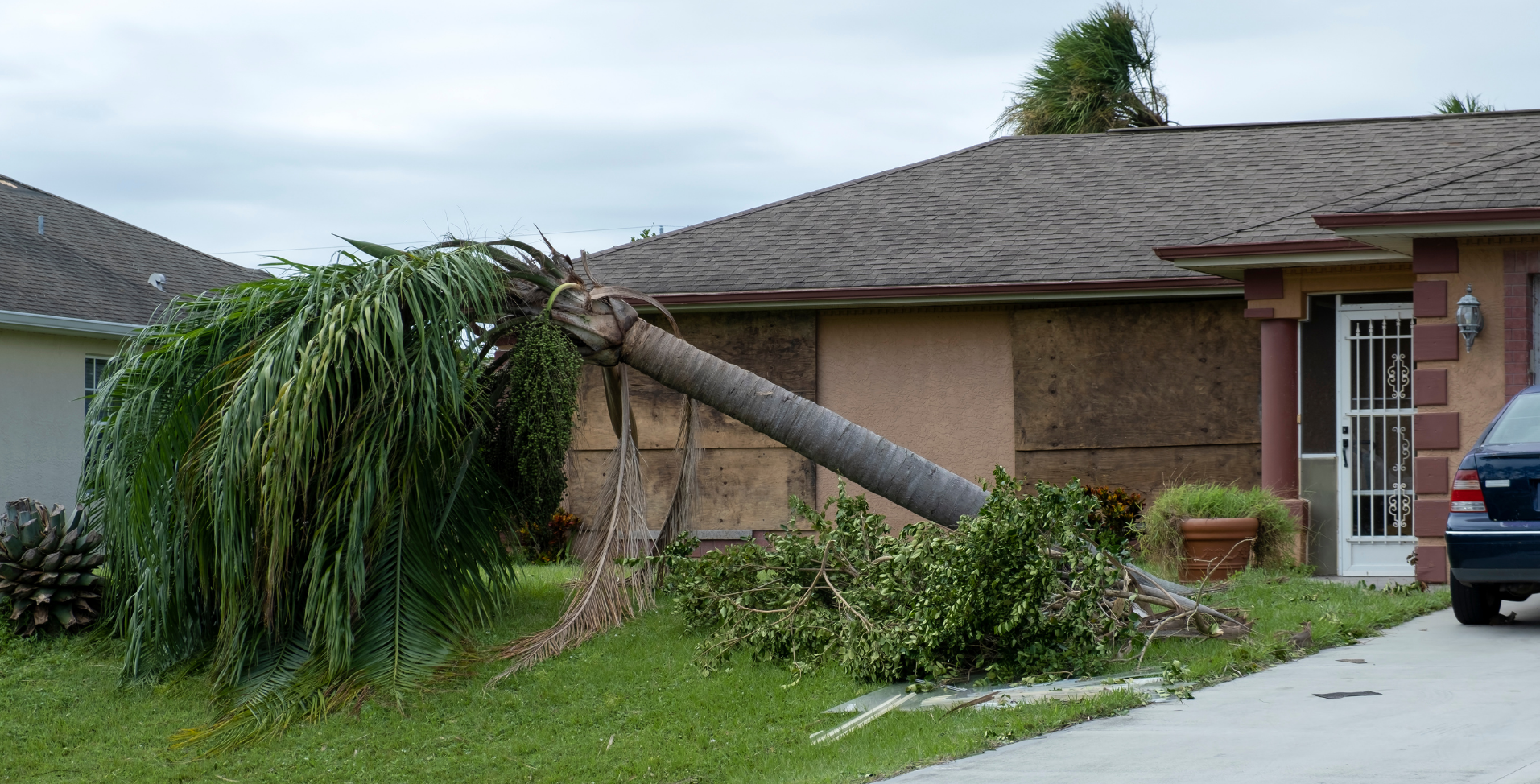
Maryland Home after a wind storm
1) What are the easiest signs of wind damage I can see from the ground?
The easiest signs of wind damage you can spot from the ground are; missing shingles on your roof, shingles lying in the yard, curled edges, or creases you can spot on sunny angles. Also, look for bent ridge caps and loose flashing around chimneys or side walls.
2) Will insurance cover wind damage to my roof?
Wind damage is usually covered by insurance. However, how much you receive depends on whether you're on an ACV or RCV policy. With RCV, you get ACV first, then the depreciation after the job is completed per the claim. But with ACV only, you get the depreciated amount and you'll have to cover the rest yourself.
3) The adjuster said there’s “not enough damage,” but my roofer disagrees. What now?
Ask your roofer to share photos, test results (e.g., creased shingle documentation), and a detailed scope with the insurer. Then request a re-inspection so your roofer can meet the adjuster on the roof and point out storm-related issues they might have missed or overlooked.
4) Should I repair a few shingles or replace the whole roof?
If the damage is limited to a small area and the undamaged shingles on your roof is in good shape, repair may be fine. However, if the shingles are creased across multiple slopes, or the ridge caps are compromised, full replacement is often the right call. Your roofer can test, document, and explain the best path for your home and policy. Talk to them.
