

Roof Underlayment: Felt vs. Synthetic — Which Is Better for Your DMV Home?
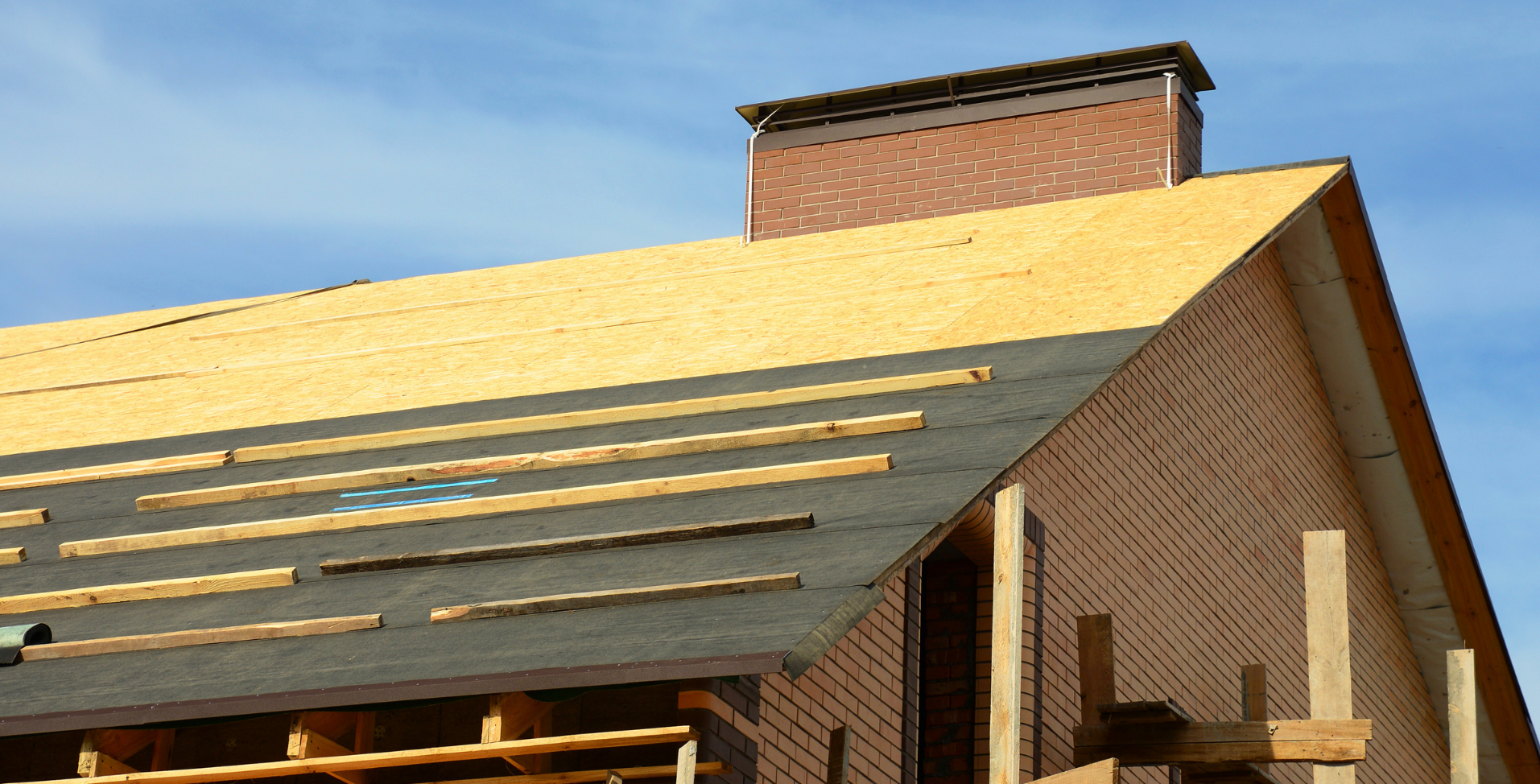
Roof underlayment installation in the DMV area
When you think about your roof, the first thing that probably comes to mind is shingles. But there’s another layer up there doing a lot of hard work — the roof underlayment.
It’s that hidden sheet sitting between your roof decking and your shingles, acting as the roof’s waterproof barrier. And when it’s time for a roof replacement in the DMV, one of the choices your roofer will ask about is: Do you want felt or synthetic underlayment?
When that happens, how do you know which one to choose? In this article, we'll explain all about the roof underlayment, its types, and which option is best for your DMV home.
What Exactly Is Roof Underlayment?
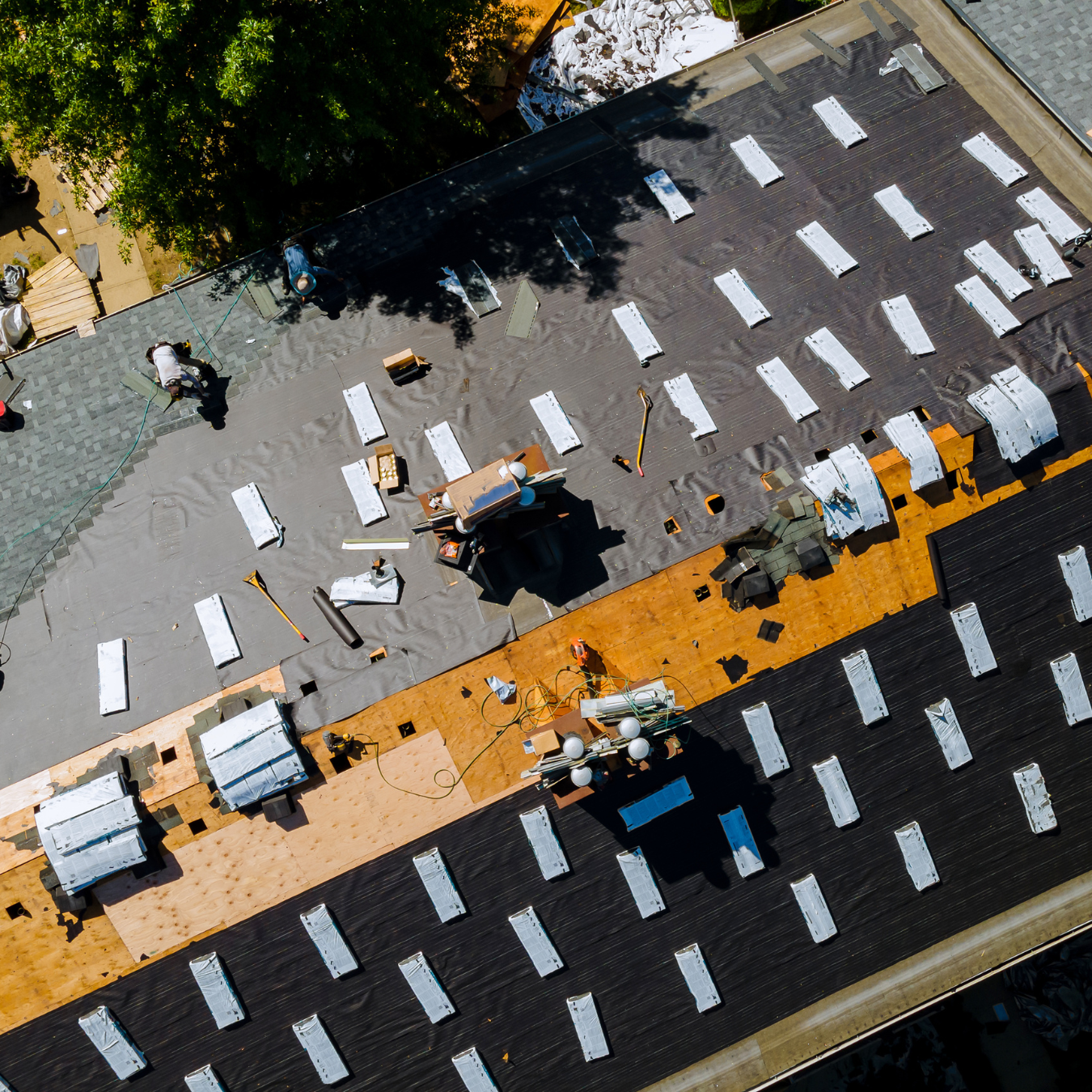
Roofers in the DMV installing roof underlayment
Think of roof underlayment as your roof’s raincoat. It’s the barrier that keeps water, moisture, and wind-driven rain from sneaking through to the wood deck underneath your shingles.
It’s installed after the decking but before the shingles go on. It forms a middle layer of defense that protects your roof from leaks, especially during storms or if a shingle gets damaged.
In short:
Decking is your roof’s base.
Underlayment is the protective layer.
Shingles are the outer armor everyone sees.
There are two main types of underlayment used on homes today: felt and synthetic.
Felt Underlayment: The Classic Choice
Felt underlayment has been around for a long time. It’s made from paper coated with asphalt, and it usually comes in two types:
15-pound felt (15 lb) — lighter and more affordable.
30-pound felt (30 lb) — thicker, stronger, and more resistant to tearing.
Felt has a rough, fabric-like feel and performs well when installed properly. Roofers have relied on it for decades because it’s tried and true.
Pros of Felt Underlayment
Lower cost – great for homeowners on a tight budget.
Widely available – almost every roofing supplier carries it.
Decent protection – if installed quickly and covered with shingles soon after.
Cons of Felt Underlayment
Tears easily – especially during windy days or heavy foot traffic.
Absorbs moisture – if it rains before shingles go on, it can wrinkle or bubble.
Heavier and shorter rolls – meaning more labor for roofers and potentially higher installation time.
Synthetic Underlayment: The Modern Upgrade
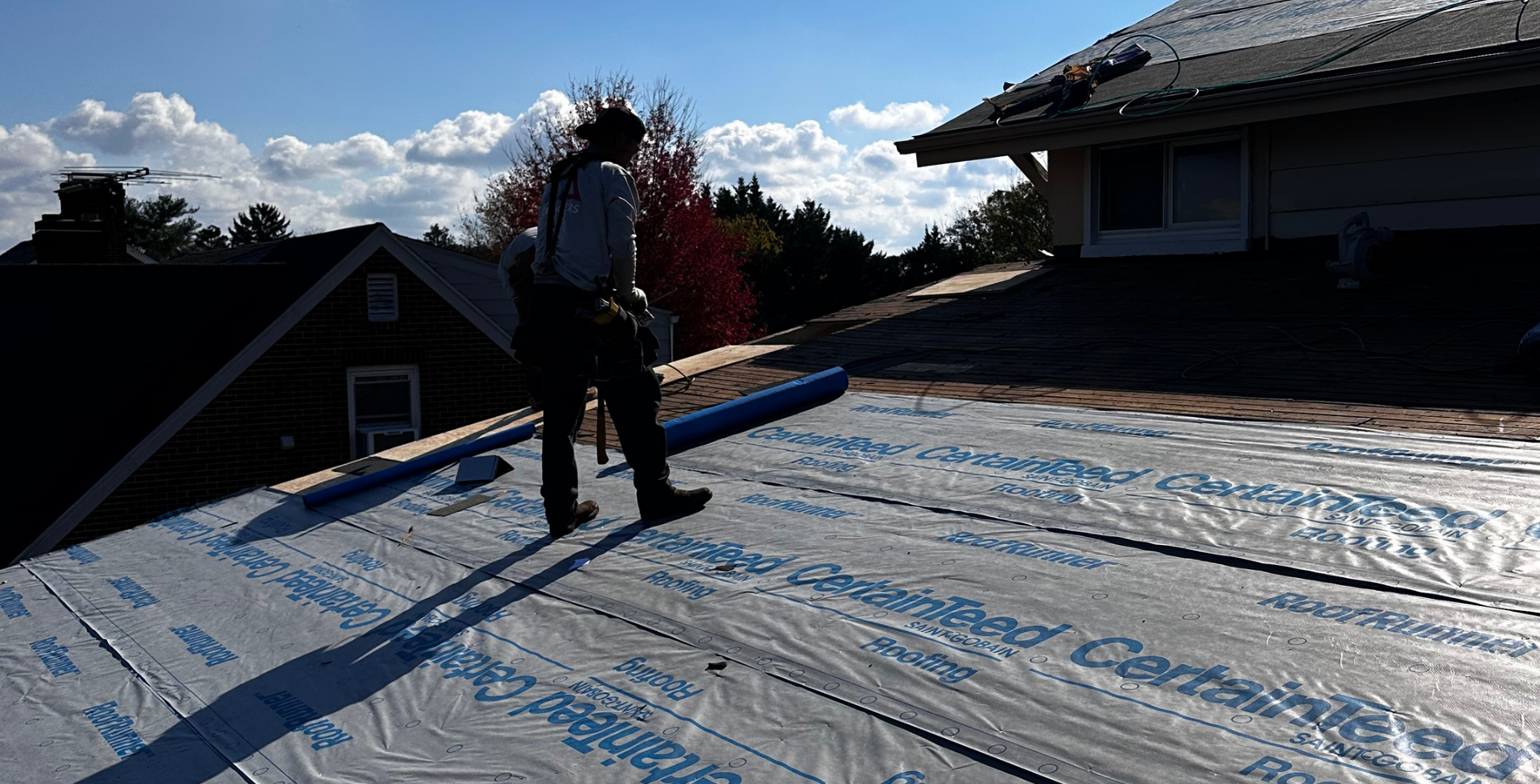
DMV roofing project using CertainTeed synthetic underlayment
Synthetic underlayment is newer. It's been around for about 20 years, and it’s made from woven or spun plastics like polypropylene or polyethylene.
It’s lighter, more durable, and built for today’s roofing demands. When you see your roofer rolling out long sheets that look like fabric with grid lines, that’s synthetic underlayment.
Pros of Synthetic Underlayment
Tough and tear-resistant – even strong winds won’t rip it easily.
Water-repellent – it sheds moisture instead of soaking it up.
Lighter and easier to install – longer rolls cover more area, saving labor time.
Non-slip surface – safer for roofers walking on steep slopes.
UV and weather-resistant – can stay exposed for days or weeks before shingles go on.
Cons of Synthetic Underlayment
Slightly more expensive – costs a bit more upfront than felt.
Not all brands are equal – cheaper synthetics might not perform as well as premium ones.
Which One Performs Better in the DMV’s Weather?
The Washington D.C., Maryland, Virginia area experiences all the seasons — humid summers, icy winters, and heavy rainstorms. That means your roof underlayment needs to handle moisture and temperature swings without giving up.
That’s where synthetic underlayment shines compared to felt: Because it doesn’t absorb water or wrinkle, it’s far better at withstanding humidity, rain, and melting snow.
Felt can still do the job, but if it gets wet before shingles are installed, it can lead to issues later (like uneven shingles or moisture buildup).
If you live near the coast or in areas prone to heavy rain, synthetic is the smarter long-term investment.
Does Weight Really Matter?
You might not think the weight of your roof underlayment material makes a big difference, but it does affect labor.
Felt underlayment is heavier, and since each roll covers less area, your roofer will spend more time hauling rolls up the ladder and changing them out during installation.
Synthetic, on the other hand, is lighter and comes in longer rolls. Hence, it can be installed faster and reduces labor costs a bit.
While the difference isn’t massive, every bit counts when you’re budgeting for a full roof replacement.
Safety on the Job
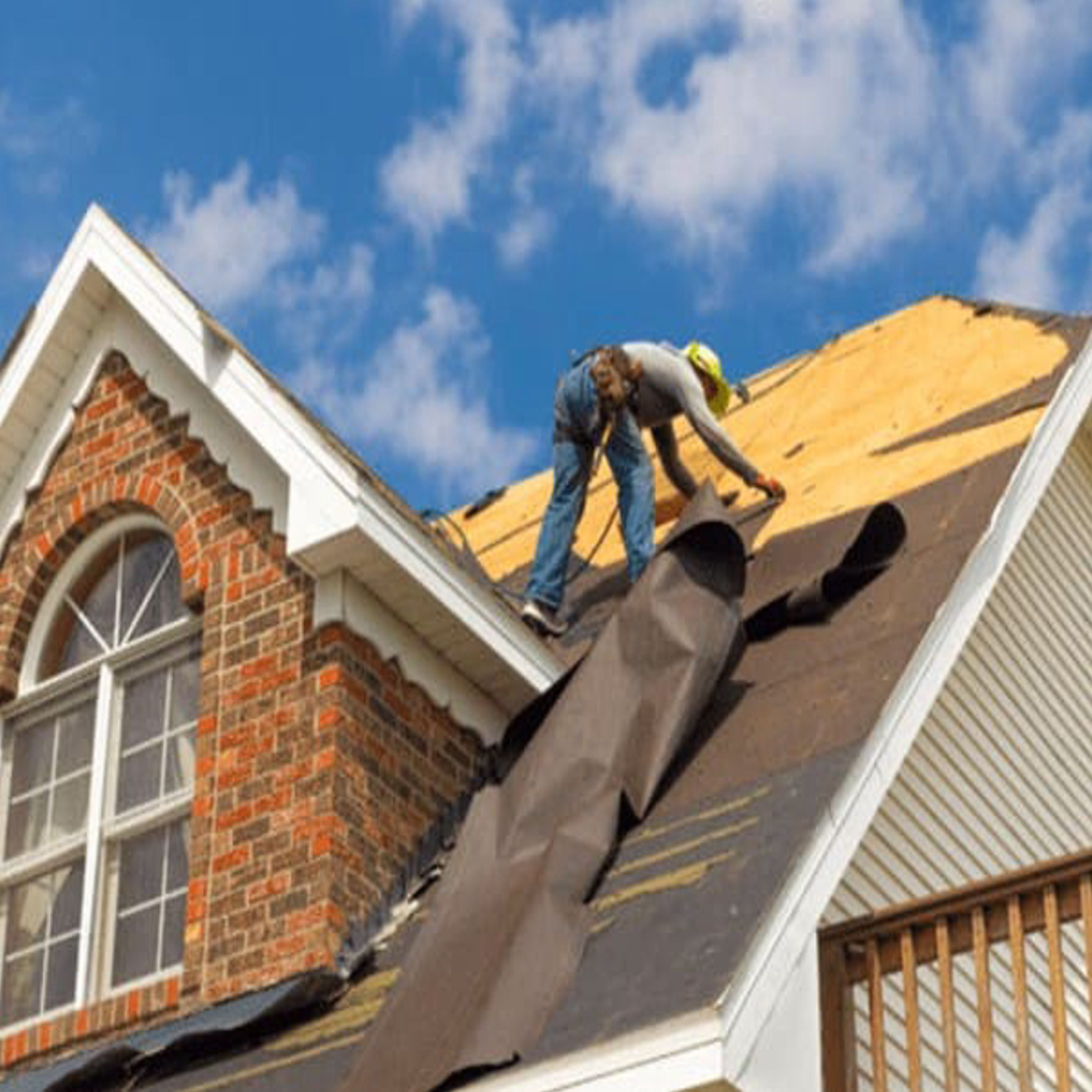
Roofer installing underlayment DMV
Another key factor most homeowners never think about is: how safe the material is for roofers to walk on.
Synthetic underlayment has a non-slip surface, which helps roofers move confidently even on steep or damp sections. Felt, on the other hand, can get slick when wet, especially in humid DMV weather.
A safer workspace means fewer chances of slips or damaged materials during installation. It's another reason many roofing pros now prefer synthetic. Da’ Roofers will always use synthetic underlayment.
Which Lasts Longer?
When it comes to lifespan, synthetic wins again.
High-quality synthetic underlayments can last 25 to 40 years, often outlasting the first set of shingles on your home. Felt typically lasts 15 to 20 years under normal conditions, and less if exposed to moisture early on.
So if you want something that will stand up to the DMV’s seasonal shifts and need fewer worries down the line, synthetic is the clear pick.
When is Felt the Right Choice?
If your budget is tight or you’re planning to sell your home soon, felt underlayment still makes sense. It offers reliable short-term protection at a lower cost. For instance: On rental properties or small repairs, felt is perfectly fine.
Your roofer can help you decide based on how long you plan to stay and your roof’s overall setup.
So, Which Roof Underlayment Is Better?
To sum it up:
Synthetic underlayment gives you longer life, better moisture protection, and easier installation. It's perfectly ideal for the DMV’s changing weather.
Felt underlayment is the more affordable option if you just need a basic, proven layer of protection and are okay with shorter longevity.
In short, If you plan to stay in your home for many years, go synthetic. If you’re watching the budget or flipping a property soon, felt can do the job.
Final Thoughts: Ask Your Local Roofer
Every roof is a bit different. A good local roofer in the DMV can tell you which underlayment fits your roof type, slope, and budget best.
They can also help you compare brands. Not all synthetics are made equal, and some premium felts perform better than cheap synthetics. So before making your choice, ask:
How long will this underlayment last on my roof type?
Is it good for my area’s humidity and storms?
What’s the total difference in cost once labor is included?
An honest conversation with your roofer will help you make a confident, informed choice that keeps your roof strong for years to come.
FAQs
1. What does roof underlayment actually do?
It creates a waterproof barrier between your shingles and the roof deck, protecting your home from leaks and moisture damage.
2. Is synthetic underlayment worth the extra cost?
Yes, especially in humid or rainy areas like the DMV. It lasts longer, resists tearing, and offers better protection against leaks.
3. Can felt underlayment still be used on modern roofs?
Absolutely. It’s been used for decades and still works well when installed correctly. Just make sure shingles go on soon after, so it doesn't get wet.
4. How long can synthetic underlayment be left uncovered?
Most synthetic brands can stay exposed for several weeks, while felt must be covered quickly to avoid water damage.
5. Which underlayment handles heavy rain better?
Synthetic underlayment performs best in wet climates since it repels water instead of absorbing it.
