

Is a DIY Roof Replacement a Good Idea? 4 Warnings Every DMV Homeowner Should Know
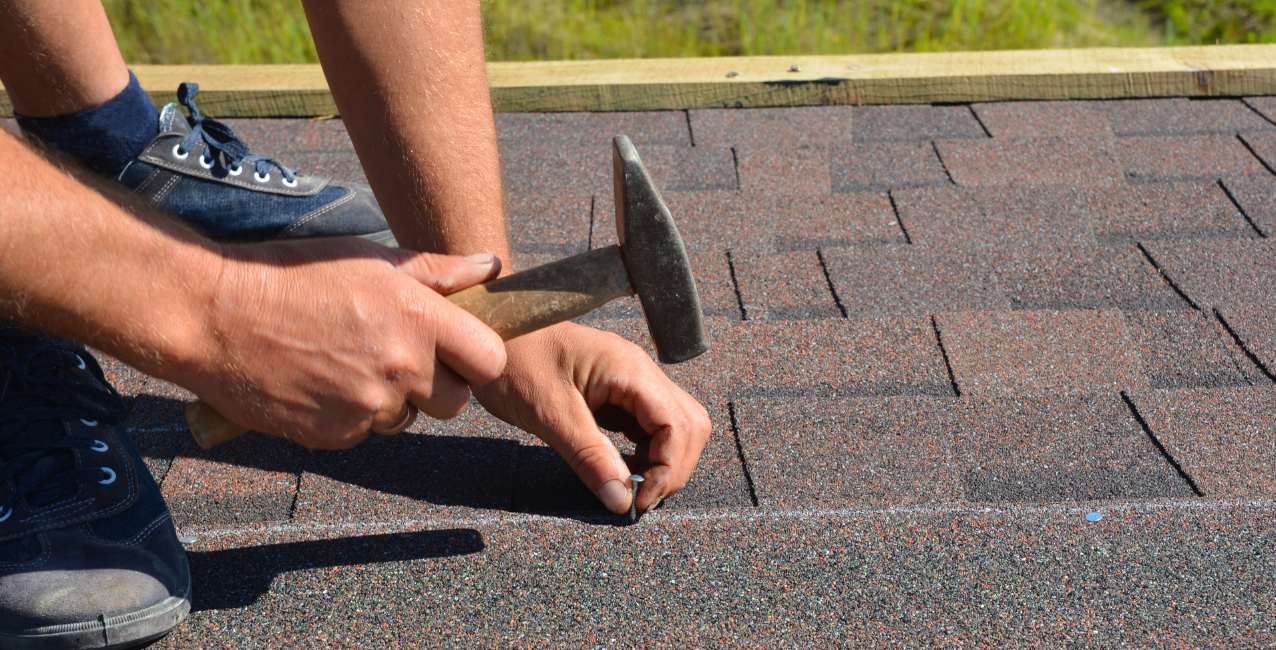
Homeowner attempting DIY roof replacement on a house
Replacing a roof is expensive. There’s no sugarcoating that. So it makes sense that some homeowners start thinking, “What if I just do it myself?”
That leads to the big question: Is a DIY roof replacement actually a good idea?
The honest answer is this: for most homeowners, it’s far riskier and more expensive in the long run than it seems at first.
Before you even think about grabbing a ladder, let’s talk through four important warnings you need to understand. These aren't scare tactics. Just reality.
Why DIY Roofing Sounds Easier Than It Really Is
DIY videos make roofing look simple. Remove old shingles. Nail new ones. Done.
What you don’t see are the years of experience, safety training, and problem-solving that go into doing it correctly. A roof isn’t just shingles; it’s a full system, and one mistake can cause leaks that don’t show up until months or years later.
Let's now talk about some warnings every DMV homeowner should be aware of.
1. Working on a Roof Is Genuinely Dangerous
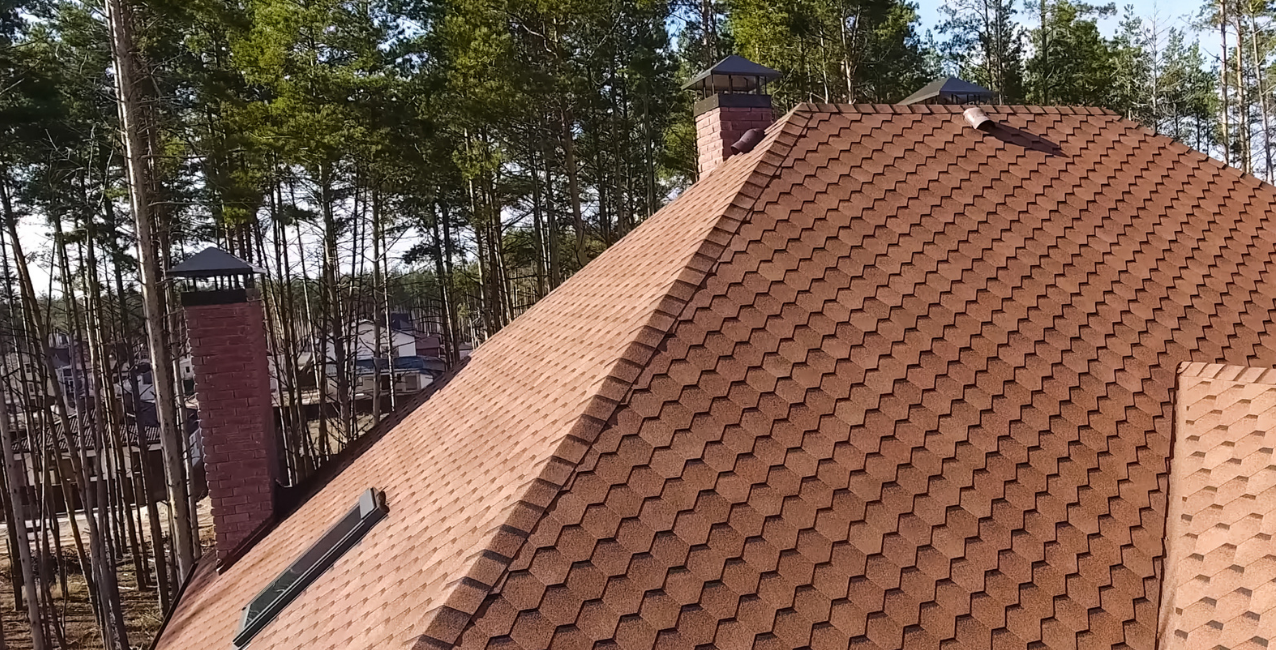
Home exterior showing a steep sloped roof
This is the biggest warning, and it’s not dramatic. Roofs are steep. Surfaces are uneven. Materials are heavy. Even professional roofers, with training and safety gear, still need to be extremely cautious.
Professional Roofers also have several advantages that homeowners usually don’t.
They include:
Safety harnesses and tie-off systems
Experience walking steep roof pitches
Training on ladder setup and movement
Teams to help manage materials safely
If you’re not fully comfortable climbing a ladder, stepping onto a roof, or moving while carrying materials, you probably shouldn’t be up there.
Saving money is never worth risking a serious fall. That’s something we tell homeowners across Washington D.C, Maryland, and Northern Virginia all the time.
2. You’ll Need More Tools and Materials Than You Expect
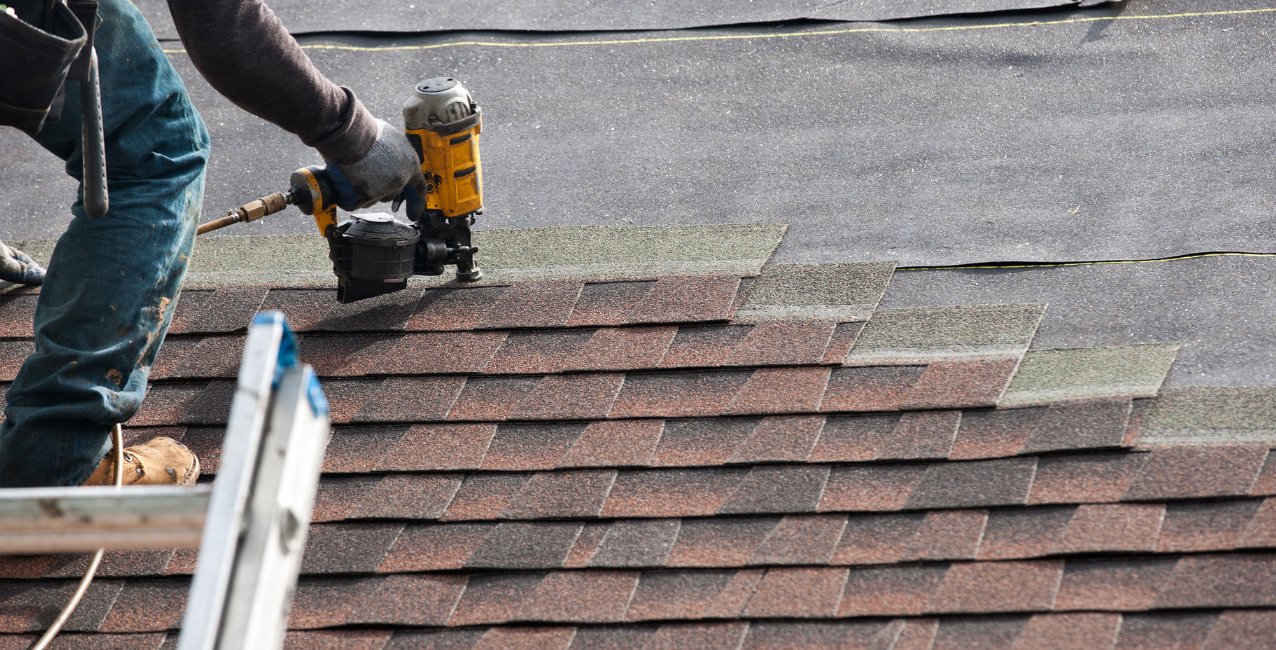
Roofer using an industrial pneumatic coil framing nailer on a roof
Most people think roofing only requires a hammer and nails. That’s barely scratching the surface. Just the tools you might need alone can include:
Tear-off fork
Roofing nailer or hammer
Chalk line
Measuring tools
Utility knives
Safety equipment
Ladders
Dumpsters
But tools aren’t even the most important part. Every roof replacement needs materials. These materials include:
Roof decking
Flashing
Underlayment
Drip edge
Ice and water shield
Shingles
Ridge caps
Roof vents
Each one has a specific purpose. Skip one, install it wrong, or put it in the wrong order, and leaks become almost guaranteed.
In fact, missing the drip edge alone can cause a home inspection failure because it’s required by building codes in many areas, including some parts of Washington, D.C.
3. Roofing Takes Skill, Not Just Instructions
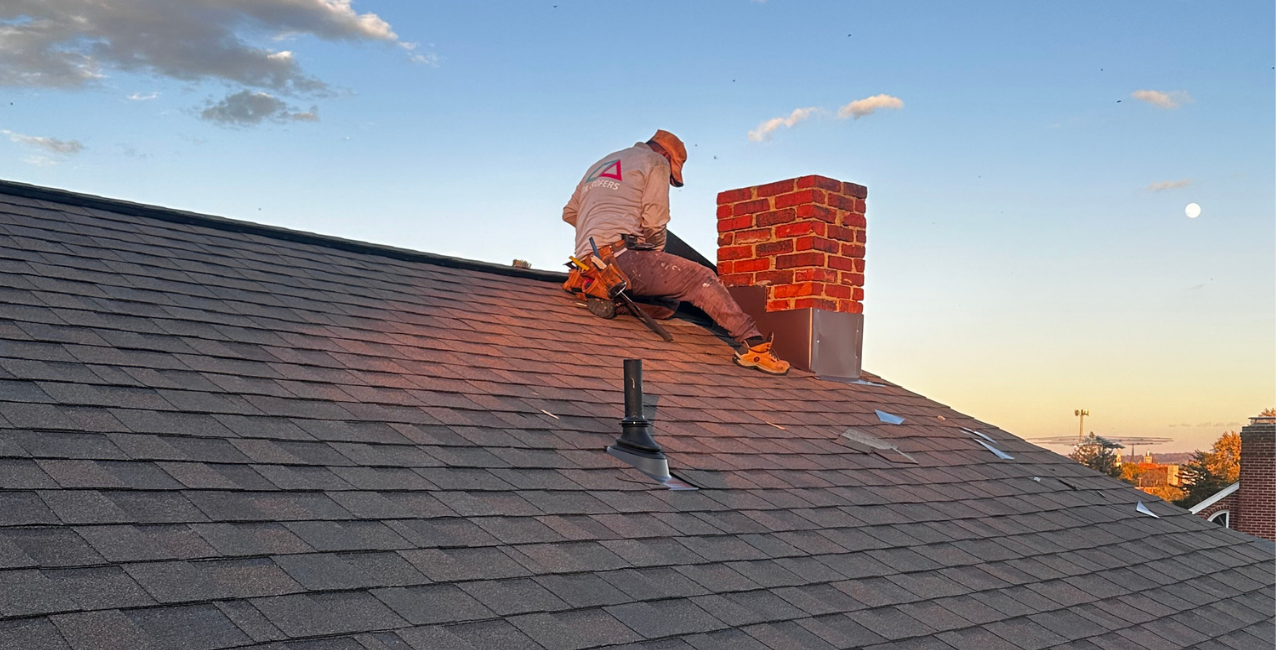
Da' roofers working on a DMV roof project
Watching a video and actually replacing a roof are two very different things. Professional roofers don’t just know how to install materials. They know:
When decking needs to be replaced
How to handle roof transitions
How to seal problem areas
How to adjust for ventilation and drainage
For example, installing new shingles over rotten decking might look fine at first. But months later, nails loosen, shingles shift, and leaks start.
It's normal for roofers to have to fix DIY roofs where homeowners didn’t even realize something was wrong until water damage appeared inside.
4. You Lose Important Warranties With DIY Roofing
When a professional installs your roof, you get two protections:
A workmanship warranty
A manufacturer’s material warranty
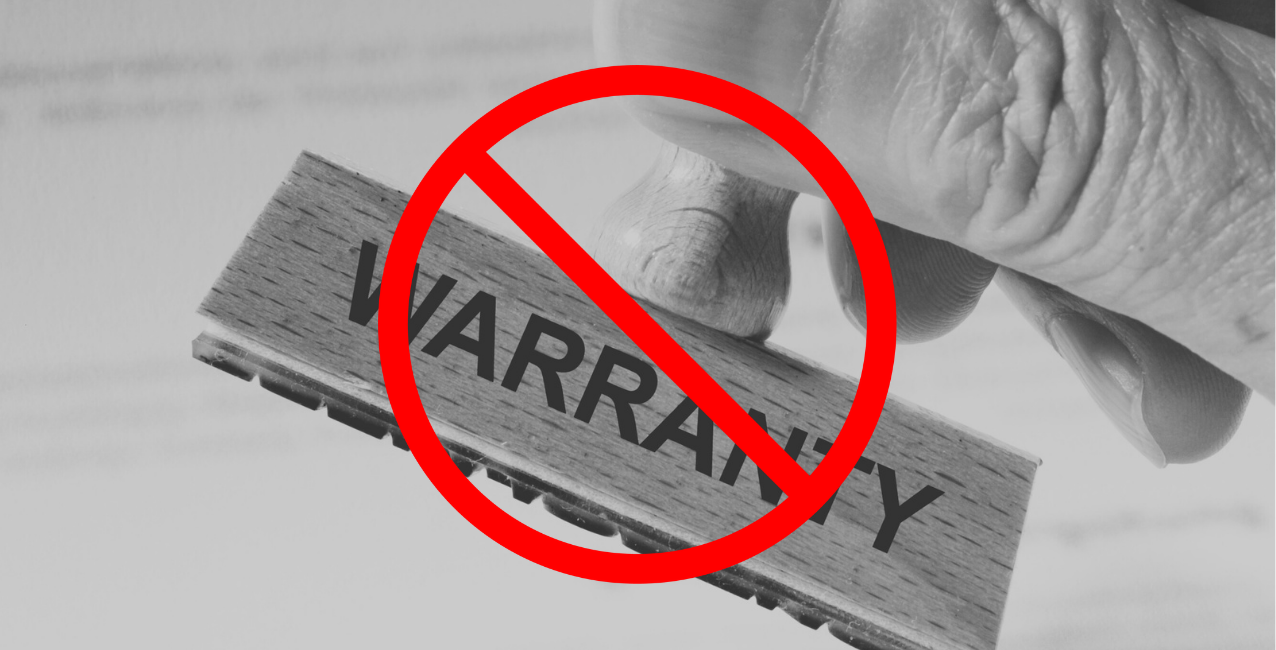
With a DIY roof replacement, you lose the workmanship warranty completely. Any mistake is yours to fix. Material warranties still exist, but there’s a catch.
Here’s the problem: If shingles or components aren’t installed exactly according to manufacturer instructions, the warranty can be voided.
That means:
A leak caused by improper nailing? Not covered.
Flashing installed incorrectly? Not covered.
Ventilation issues? Not covered.
And dealing with manufacturers directly can be time-consuming and frustrating, even for professionals.
Why Most Homeowners Call Da’ Roofers Instead
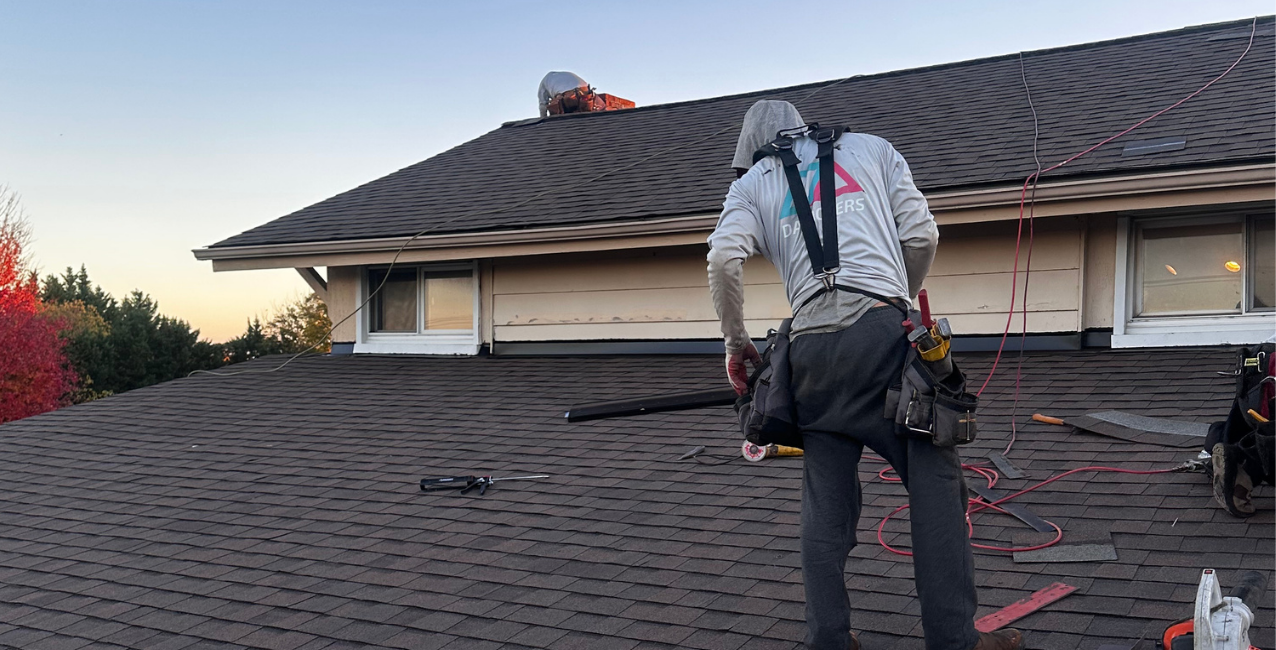
Da' roofers working on a DMV roof project
We understand the temptation to DIY. Roofing is expensive, and people want to save money. But what we usually see across the DMV is this: DIY roof replacements often end up taking longer and costing more once repairs, corrections, or full re-replacements are needed.
Our job isn’t just to install roofs. It’s to make sure they last, pass inspections, and don’t cause stress every time it rains. That’s why we don't really recommend DIY roofing fixes.
Final Thoughts
You can replace your own roof. It’s your house. But before you decide, be honest with yourself about safety, tools, experience, and long-term cost. Roofing isn’t forgiving, and mistakes don’t always show up right away.
For most homeowners in the DMV, calling a professional like Da’ Roofers isn’t about convenience. It’s about protecting your home, your money, and yourselves.
FAQs
1. Is it legal to replace your own roof?
Yes, in most areas, homeowners can replace their own roof, but permits and inspections may still be required.
2. How much money can you save doing a DIY roof replacement?
You will be saving in labor costs in a DIY roof replacement. But material savings are often smaller than expected once tools, waste, and mistakes are factored in.
3. What is the biggest risk of DIY roofing?
Safety risks and improper installation can lead to leaks or structural damage.
4. Do DIY roofs pass inspections?
They can, but missing components or improper installation often cause failures.
5. Will insurance cover a DIY roof replacement?
Insurance may deny claims if damage is linked to improper installation.
