

The Various Parts of a Roof Every Maryland Homeowner Should Know
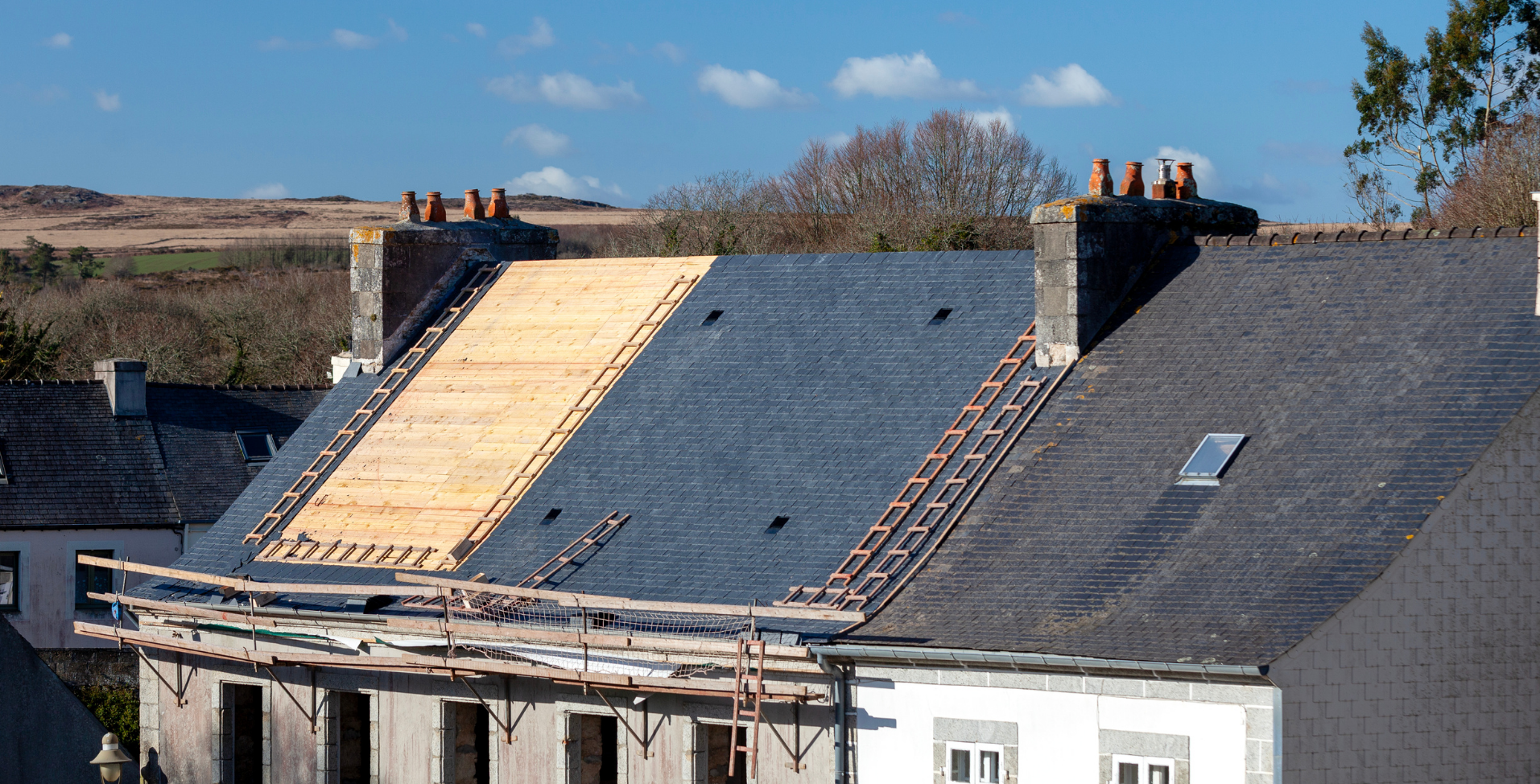
Roof parts guide for homeowners in Maryland
If you live in Maryland, you already know how rough the weather can be on your roof. From summer storms to winter ice, your roof works hard every day. But here’s the thing: most homeowners don’t really know what makes up a roof.
Understanding the main parts and components of a roof isn’t just about knowing the roofing terms contractors always use. It helps you spot problems early, avoid being misled by bad contractors, and feel more confident when it’s time for repairs or replacement.
The parts of a roof include:
Roof decking
Drip edge
Roof underlayment
Ice and water shield
Roof flashing
Starter shingles
Main roofing material
Hip and Ridge Shingles
Roof vents
Pipe boots
Let’s walk you through the different components so you can see what they actually do.
1. Roof Decking (Sheathing)
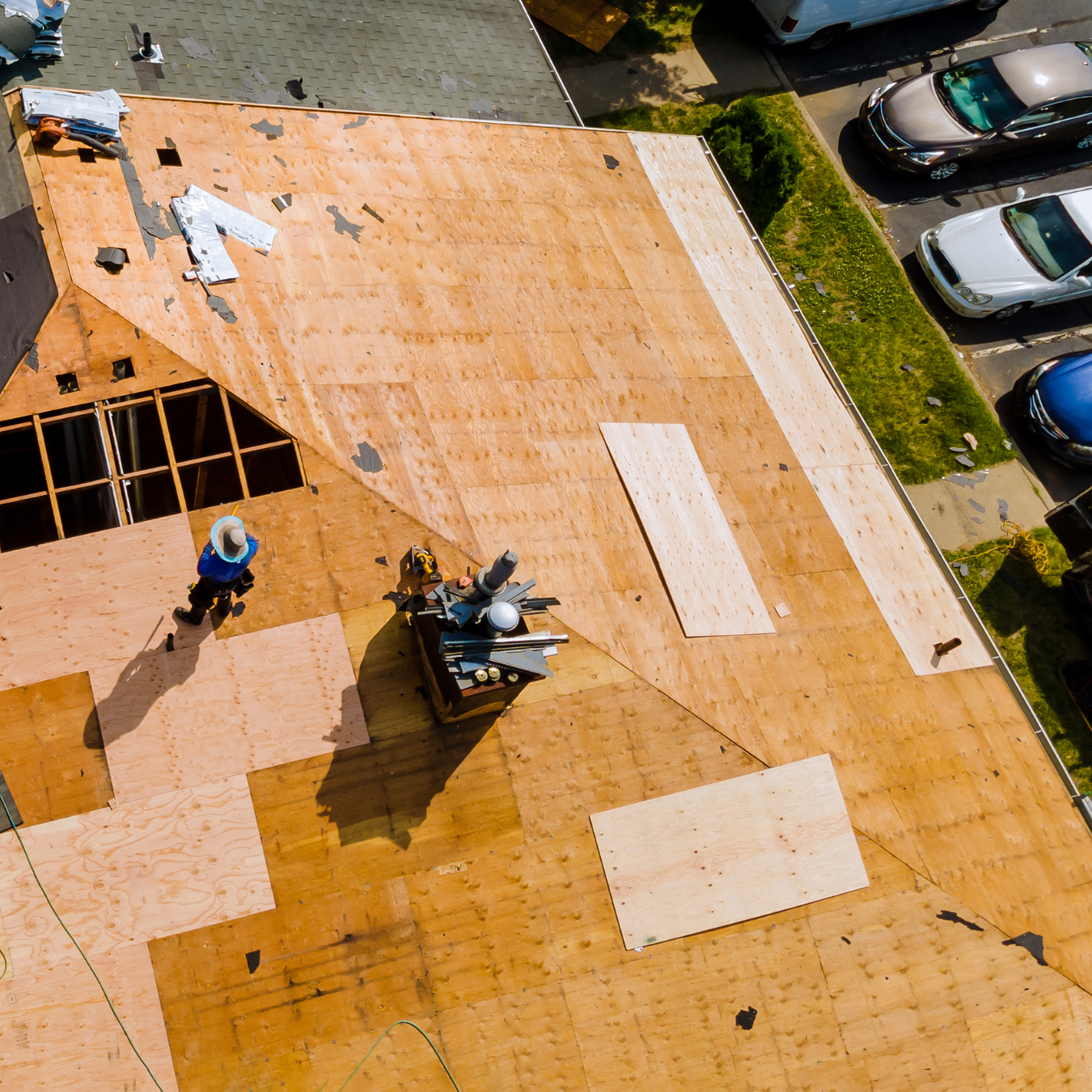
Professional Maryland roofers working on roof decking
Think of the roof decking as the foundation of your roof system. It’s usually made of plywood, OSB (oriented strand board), or wood planks. Every other part of the roofing components sits on top of the decking
If the decking isn’t strong, nothing else will last. That’s why roofers always check it before installing new shingles or other materials. In older Maryland homes, sometimes plank-style boards were used instead of sheets. Either way, the decking has to be solid before the rest of the work starts.
Something to watch out for is the thickness of the plywood. Some builders have cut corners with ⅜” plywood to save money. But code requires plywood decking to be ½” thick. You roofer will not know this until your roof has been torn off.
2. Drip Edge
At the edges of your roof, water loves to sneak in. That’s where the drip edge comes in. It’s a strip of metal flashing that keeps water from running back under the shingles and into the fascia boards.
Believe it or not, some roofs are missing drip edges altogether. But in parts of Maryland, building codes require them. Without one, you could fail a home inspection or end up with rotting wood near your gutters.
3. Roof Underlayment
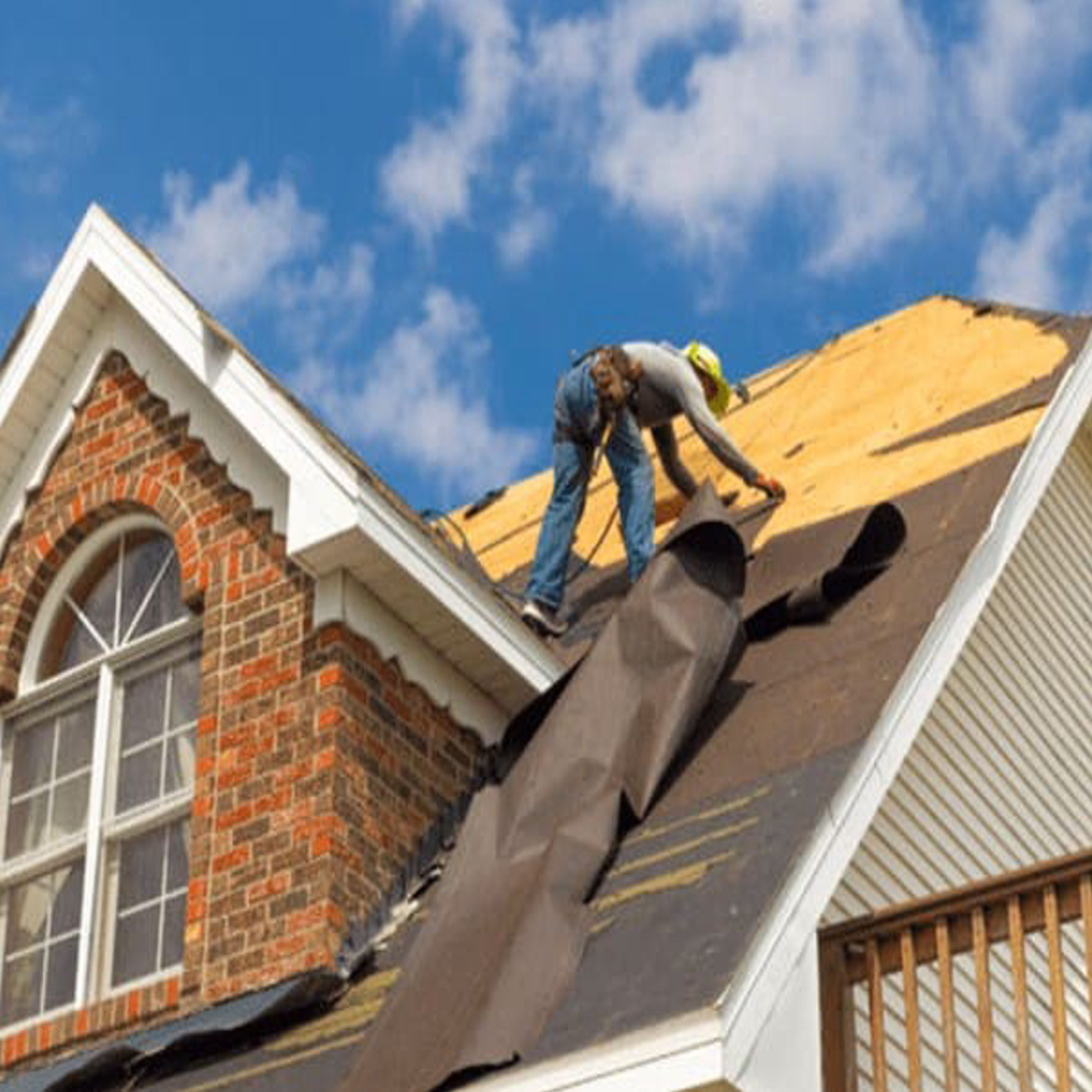
Roof underlayment installation by Maryland roofers
The underlayment is a protective layer that goes right on top of the decking and underneath the shingles. Its job is to keep water out if rain or snow manages to slip past the top layer. There are two main types:
Felt underlayment: Cheaper, but it can absorb water.
Synthetic underlayment: Stronger, more water-resistant, and less likely to tear.
Most Maryland homeowners today go with synthetic, since the weather here can be unpredictable. FYI Da’ Roofers always use synthetic underlayment!
4. Ice and Water Shield
Some parts of the roof need extra protection from weather conditions. That’s where the ice and water shield comes in. It’s a waterproof membrane that roofers install in leak-prone spots like valleys, edges, or around chimneys and skylights.
In areas that see heavy snow and ice, building codes may even require roofers to install it near the eaves. While Maryland isn’t as snowy as New England, ice storms do happen, so this extra layer is worth considering.
5. Roof Flashing
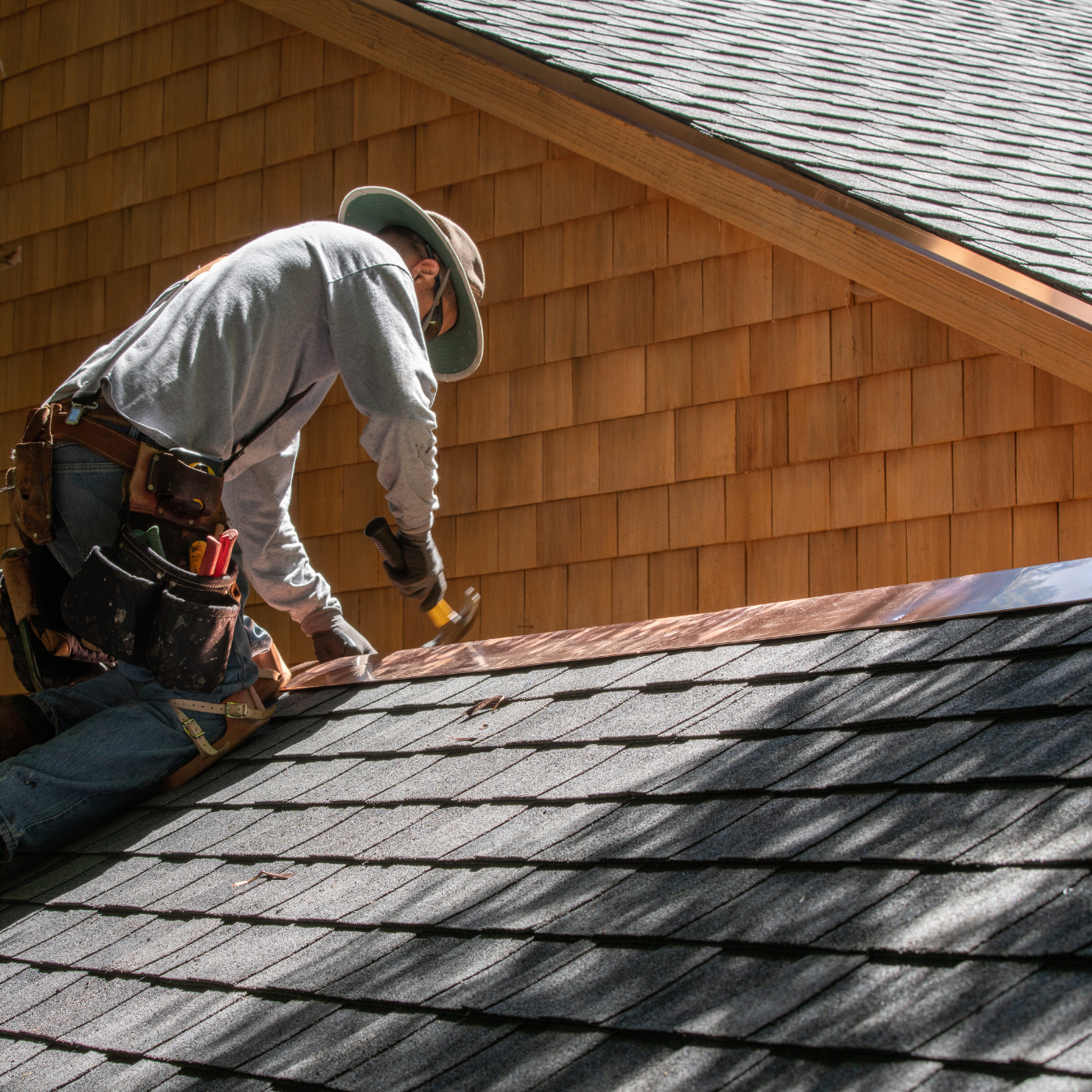
Roof flashing installation by Maryland roofers
Flashing is another type of metal protection. It’s installed around chimneys, skylights, valleys, and walls — basically anywhere two surfaces meet and water could sneak through.
Aluminum is the most common flashing material because it’s affordable and durable, but some homeowners choose copper for its longer life and stylish look. If flashing is missing or rusted, you’re almost guaranteed to get leaks.
6. Starter Shingles
Before the main shingles go down, roofers first install starter shingles at the edges. They create a clean, sealed base that helps resist wind uplift and stops water from slipping under.
It may sound like a small detail, but skipping starter shingles can shorten your roof’s life and make it more vulnerable to storms.
7. The Main Roofing Material
This is the part of the roof you see every day from the street. In Maryland, the most common materials are:
Asphalt shingles – Affordable and widely used.
Metal roofing – Long-lasting and energy-efficient.
Cedar shake – Natural and attractive, though more expensive.
Slate – Durable and upscale, but very heavy.
Synthetic shingles – Designed to mimic slate or cedar shake at a lower cost.
Your choice affects not only how your home looks, but also how long the roof lasts and how much you’ll spend upfront.
8. Hip and Ridge Shingles
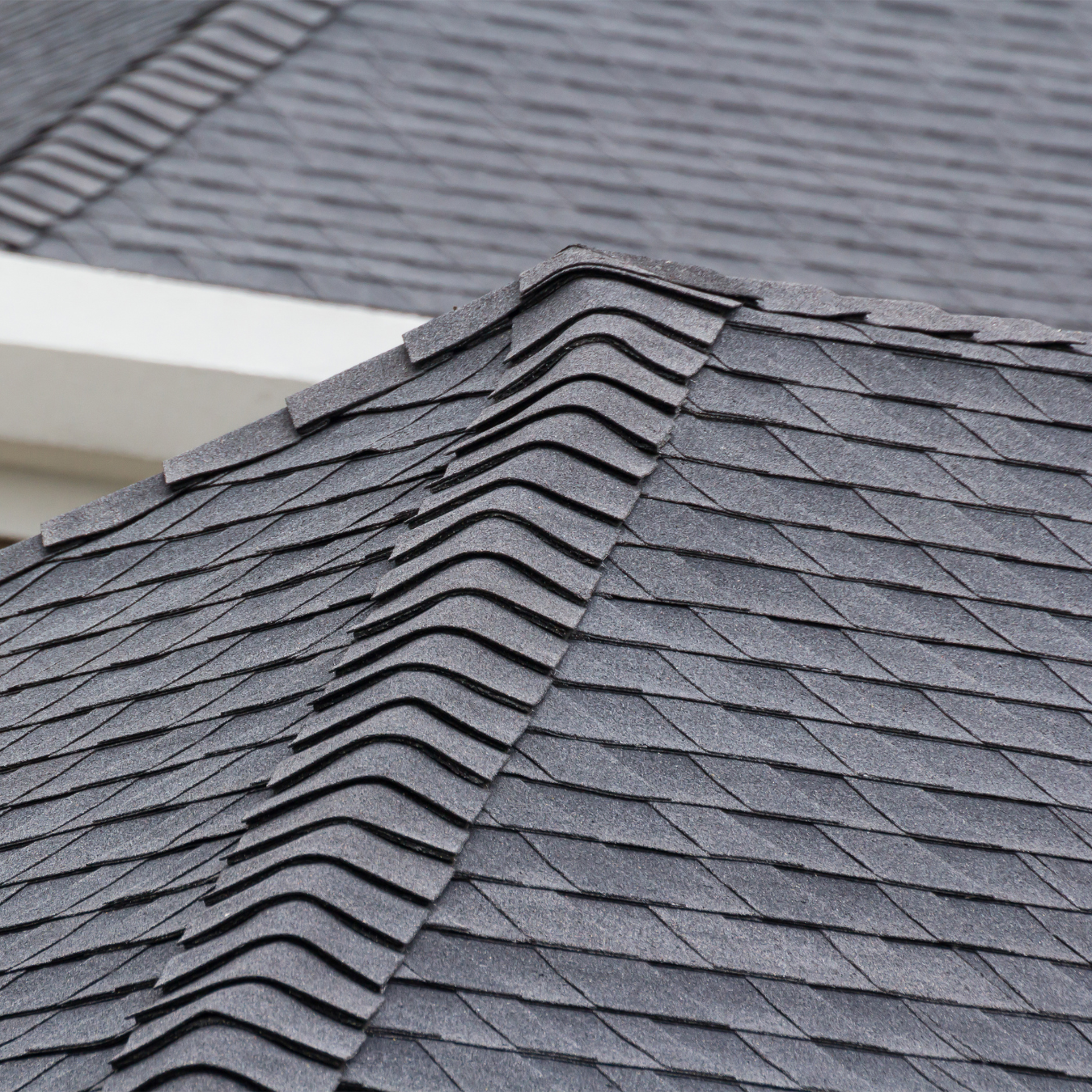
Close-up view of hip and ridge roofing shingles
Where two slopes of your roof meet at the very top, hip and ridge shingles seal the joint. It’s specially designed to bend and fit over the ridge without cracking.
Unfortunately, some roofers cut corners and use regular shingles here. That might save them money, but it almost always leads to leaks. That's why it's important to always work with an experienced local roofer, like Da’ Roofers.
9. Roof Vents
Good ventilation keeps your attic from overheating in summer and prevents moisture buildup in winter. Without vents, your shingles can age faster, and your energy bills can spike. There are two main types of roof vent systems:
Active ventilation: Uses ridge vents with baffles, turbine vents, or powered fans to move air.
Passive ventilation: Relies on static vents, gable vents, or open ridge vents without baffles.
For the Maryland climate, active systems are pretty common. But you can go with a passive ventilation system too. Have your roofer recommend the right setup for your home.
10. Pipe Boots
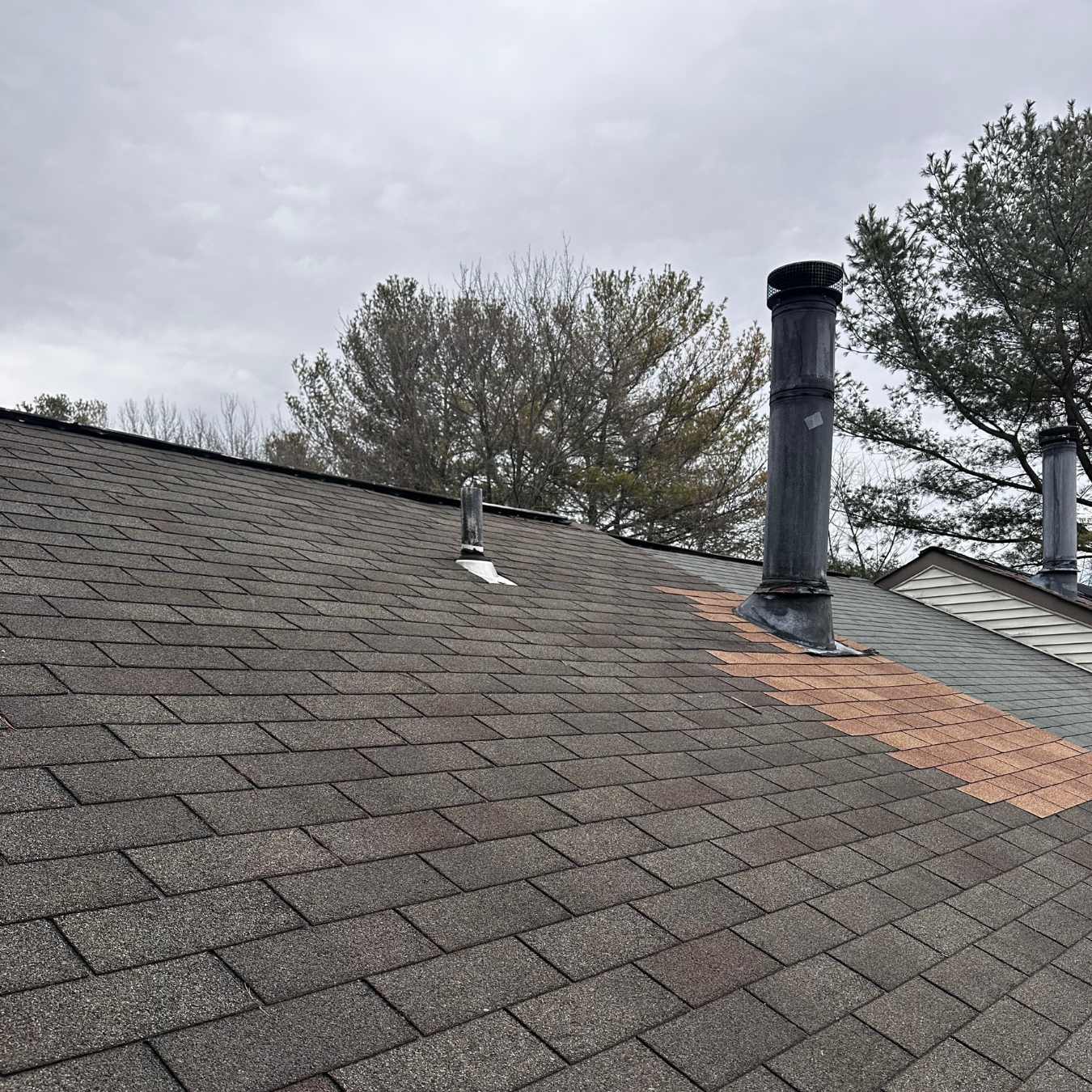
Roof pipe boot installed on residential home
Lastly, pipe boots are the rubber or metal coverings around plumbing pipes that stick out of your roof. They may look small, but they’re vital for keeping water from dripping down the sides of those pipes into your attic.
Neoprene (a synthetic rubber) is the most common material for this part, but it usually needs replacing every 10 years due to sun damage. Copper pipe boots last longer than the rubber version but cost more. Da’ Roofers will always use the copper pipe boots - the best that you can get and last the full life of your roof.
Final Thoughts
Your roof consists of more than just shingles — it’s a full system where every part plays a role in keeping your home dry and safe. For Maryland homeowners, knowing the basics of roof components makes it easier to maintain your home, talk with contractors, and avoid being taken advantage of.
When the time comes for a repair or replacement, you’ll know what questions to ask and what details to look for.
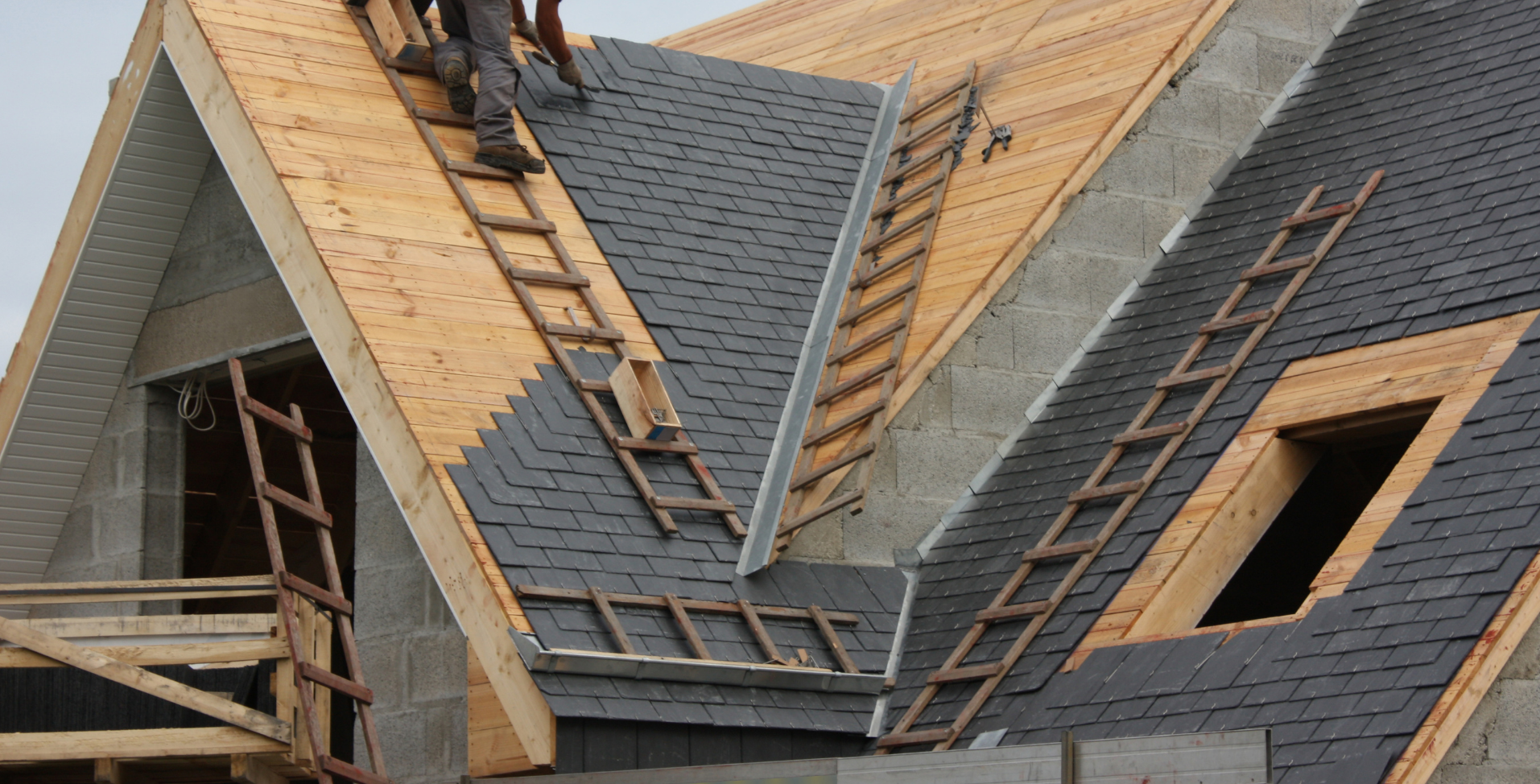
Roofing construction work in progress in Maryland
FAQs
1. What are the main parts of a roof?
The main parts of a roof include the decking, underlayment, drip edge, flashing, shingles, hip and ridge shingles, vents, and pipe boots. Each part plays an important role in protecting your roof and home.
2. What goes under shingles on a roof?
Underlayment goes directly under shingles, while decking is beneath that. In leak-prone areas, ice and water shields are also added.
3. What does roof flashing do?
Flashing is metal installed around chimneys, skylights, valleys, and walls to stop water from sneaking into the roof system.
4. How do roof vents work?
Vents pull in fresh air through intake openings and push out hot, moist air through exhaust vents, keeping your attic balanced. They're essential for any roof.
5. How long do pipe boots last?
Most neoprene pipe boots last about 10 years before UV damage causes cracks. Metal boots like copper, on the other hand, can last much longer.
