

Ridge Vents and Roof Ventilation: Keeping Your Attic Cool and Dry
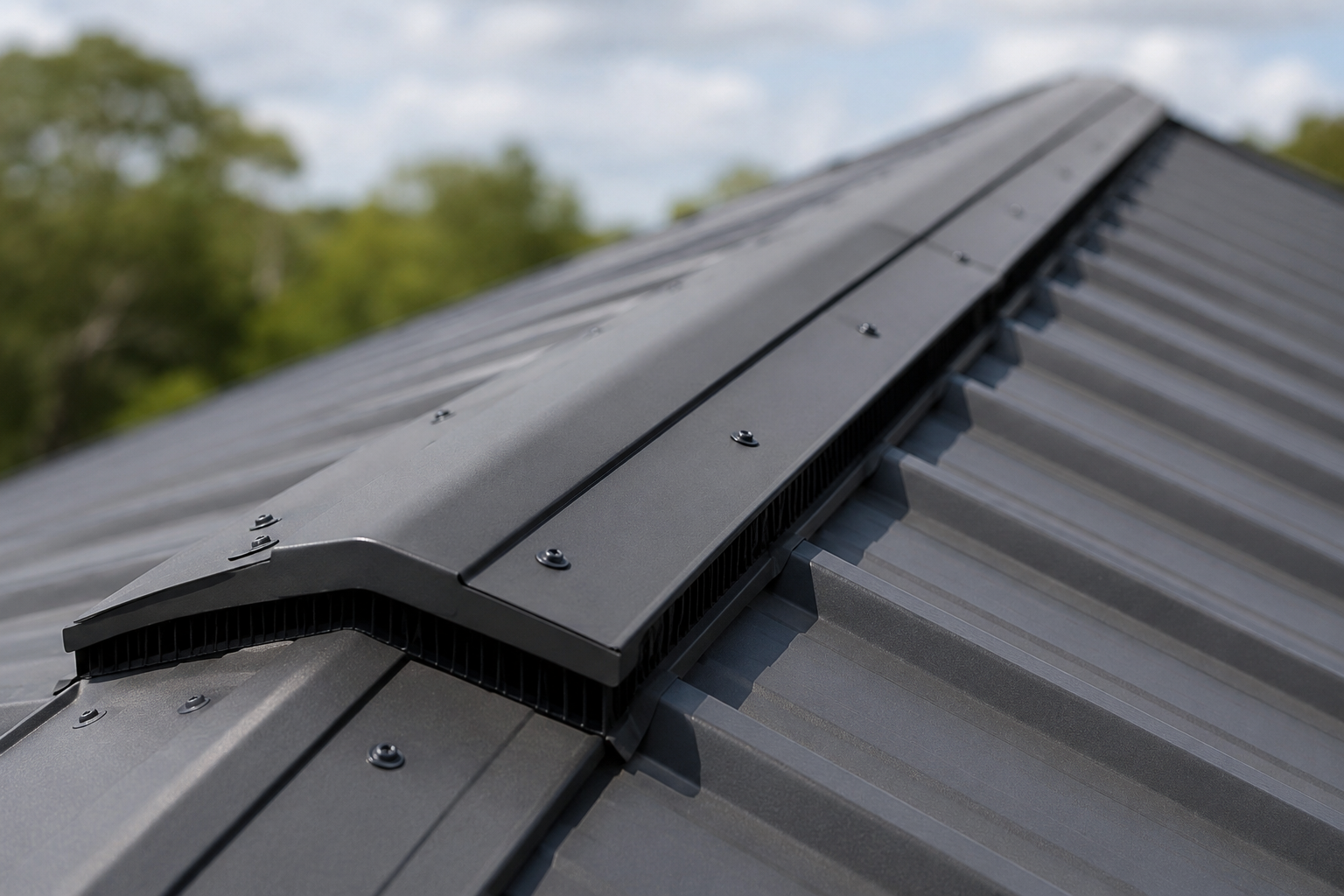
Roof ventilation detail showing a continuous ridge vent beneath a metal ridge cap.
When Da’ Roofers install a new roof in Maryland, proper ventilation is always one of the key steps in the process. Along with sealing every penetration and installing new shingles, we make sure the home can release trapped heat and moisture the right way. That’s where ridge vents come in — specifically the installation of a new CertainTeed 12" filtered Ridge Vent system on all peaks of the roof.
Ridge vents work hand-in-hand with soffit vents: cool air flows into the house through the soffits at the bottom of the roof, and escapes through the ridge vent at the top. This creates a natural airflow that keeps the roof healthy. We also use ShadowRidge to match the look and airflow performance of the roofing system.
Here’s how the process normally goes:
Cutting the Ridge Slot
Placing the CertainTeed Ridge Vent
Securing the Vent
Installing Matching Ridge Caps
Final Ventilation Check
Ventilation might not be visible from the street, but it plays a huge role in how long your roof lasts and how comfortable your home stays all year.
The Da’ Roofers Installation Process
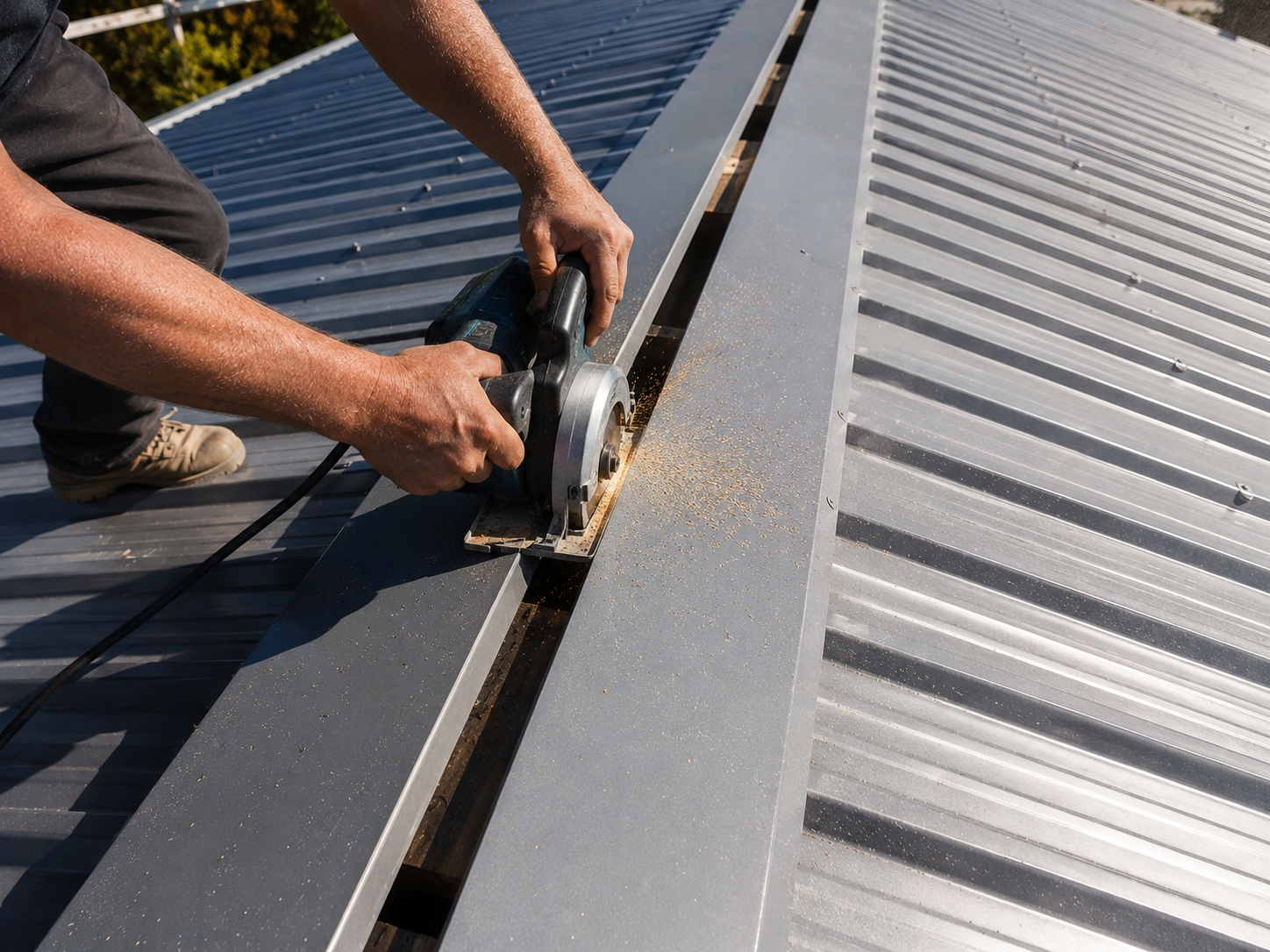
Installation process showing a precision-cut ridge slot on a corrugated metal roof.
1. Cutting the Ridge Slot
After the roof deck is dried-in, we cut a uniform slot along the ridge to allow hot air to escape.
2. Placing the CertainTeed Ridge Vent
We position the 12" filtered system along the entire peak, ensuring the airflow channel runs continuously from end to end.
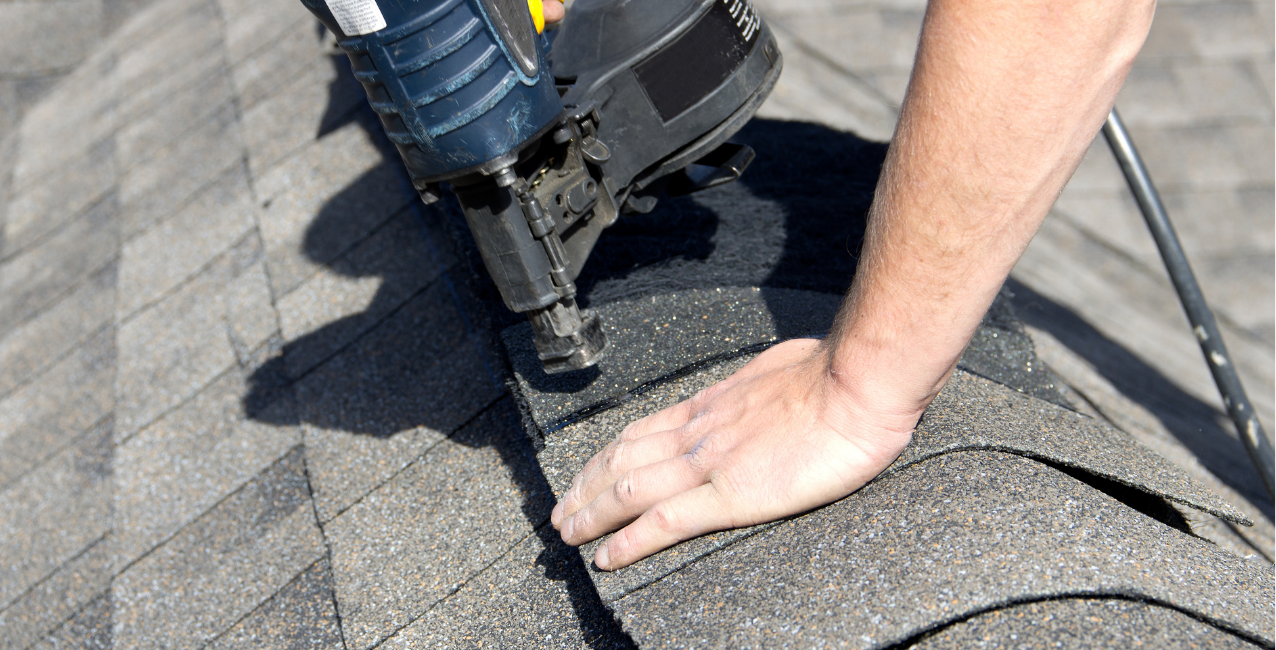
Properly installed ridge cap and ridge vent system designed for efficient roof airflow.
3. Securing the Vent
The ridge vent is fastened according to manufacturer standards to keep it tight, straight, and wind-resistant.
4. Installing Matching Ridge Caps (We use ShadowRidge)
We finish the system by adding ridge caps that match the shingle line. We use ShadowRidge for a clean, uniform appearance.
5. Final Ventilation Check
Before wrap-up, we confirm that intake vents are open and balanced with the ridge exhaust, ensuring proper long-term airflow.
Why Ridge Ventilation Matters
Attics naturally collect heat and moisture. In the summer, attic temperatures can soar. In the winter, warm indoor air rises into the attic and creates condensation. Without a proper ventilation pathway, that buildup can lead to:
Premature shingle wear
Rotting plywood sheathing
Mold or mildew
Higher A/C or heating costs
Ice damming in colder regions
A ridge vent helps prevent all of this by letting hot, moist air escape through the highest point of the roof.
What Ridge Vents Actually Do
A ridge vent works like a continuous release valve. Hot air naturally rises inside the attic and flows out through the ridge vent. Cooler air then enters through the soffit vents below. That steady airflow keeps the attic’s temperature more balanced and reduces trapped moisture.
Da’ Roofers always install ridge vents as part of a balanced system (ridge exhaust + soffit intake), ensuring everything works together.
The Immediate Benefits
Once the ridge vent is installed correctly, you can expect:
A cooler attic during hot months
Less moisture buildup
Reduced mold risk
Longer roof lifespan
Lower heating and cooling costs
Ridge vents operate quietly and require no maintenance, but they protect the entire roofing system every day.
Installing the CertainTeed 12" Filtered Ridge Vent System
During every full roof replacement, we install a new CertainTeed 12" filtered ridge vent across all roof peaks. Homeowners like it because:
It has a built-in weather filter
It keeps out wind-driven rain and debris
It provides steady airflow across the entire ridge
It lays flat and blends cleanly under matching ridge caps
Maryland's mix of humidity, seasonal changes, and heavy storms makes this filtered system a smart long-term choice.
Conclusion
Ridge ventilation is a small detail that makes a big difference. At Da’ Roofers, installing a new CertainTeed 12" filtered Ridge Vent system on all roof peaks is a standard part of every full roof replacement. It improves airflow, protects your roofing materials, and helps your home stay comfortable year-round, especially in Maryland's ever-changing weather.
FAQs
1. Why is a ridge vent better than box vents?
Ridge vents run the entire length of the roof peak, giving you more consistent airflow. Box vents only ventilate small sections.
2. Do ridge vents leak during heavy rain?
Not when installed correctly. The CertainTeed filtered system includes built-in protection against wind-driven rain.
3. Can I install a ridge vent without soffit vents?
No, the system must have intake (soffits) to work properly. Without intake, the ridge vent can’t pull air through the attic.
4. How long does a ridge vent last?
A quality system like the CertainTeed 12" vent typically lasts as long as the roof itself.
5. Will a ridge vent lower my energy bill?
Yes. By reducing trapped heat in the attic, your A/C doesn't work as hard, especially during Maryland summers. me know.
