

What is a Low Slope Roof and the Best Roofing Materials for It
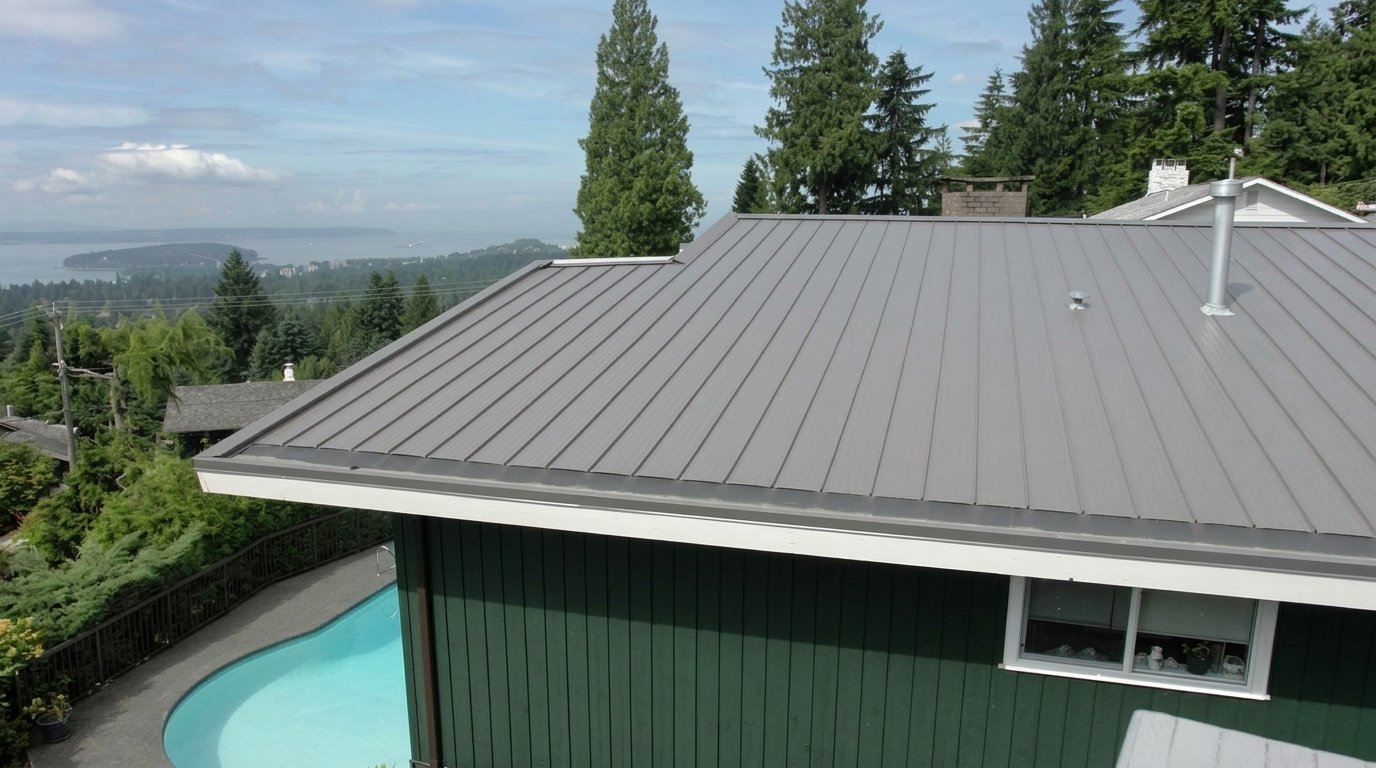
A gray low slope roof with green walls
If you’ve ever looked at a house and noticed a roof that’s almost flat but not quite, that’s what we call a low slope roof. These roofs are common on porches, garages, or parts of modern-style homes. But they’re also a bit tricky, especially when it comes to choosing the right materials for them.
In roofer terms, a low slope roof is any roof with a pitch below 2:12. That means it rises less than 2 inches for every 12 inches it runs.
Sounds confusing right? Let’s break down what a low slope roof actually is, how it’s different from a typical roof, and which materials hold up best here in Maryland.
So, What Is a Low Slope Roof?
A low slope roof is any roof with a pitch below 2:12. That means it rises less than 2 inches for every 12 inches it runs.
You might also hear people call it a “flat roof,” though technically it’s not completely flat — it still has a tiny bit of slope to help water drain. Just think of it as an almost flat roof.
The problem? Low slope roofs don’t get rid of water as easily as steep ones. Rainwater tends to sit or “pond” on the surface of low slope roofs, and if your roof doesn’t have the right materials or drainage, that standing water can seep in and cause leaks.
That’s why you can’t just throw any roofing material on there, especially not asphalt shingles. However, before we go into the materials, let's break down what a roof pitch is so you can understand slopes better.
Understanding Roof Pitch (a.k.a. Roof Slope)
Before you can figure out low slopes, you’ve got to understand what “roof pitch” means first
Roof pitch is just a fancy way of saying how steep your roof is. It’s basically like the sides of a triangle and is measured by how much the roof rises for every 12 inches it runs horizontally.
For example, if your roof rises 4 inches for every 12 inches across, that’s a 4/12 pitch. A steep roof might have a 9/12 or even higher pitch, while flatter roofs might be 2/12 or lower.
The steeper your roof, the easier it is for rain and snow to slide off. Flatter roofs need more help to drain water, and that’s where the right materials make all the difference.
If you’re not sure about your roof’s pitch, don’t worry too much. A local roofing contractor can measure it safely and accurately during an inspection. It’s quick, and you don’t have to risk climbing up there yourself.
Why Asphalt Shingles Don’t Work on Low Slope Roofs
Asphalt shingles are great for standard roofs, but they’re not designed for flat or low slope roofs. Here’s why:
Shingles rely on gravity. Each shingle overlaps the one below it, and the slope helps push water downward into the gutters. But on a low slope roof, water doesn’t move fast enough. It sits there, and over time, that can cause big problems: leaks, mold, or even rot.
Plus, most shingle manufacturers clearly state in their installation guidelines that shingles should never be installed on roofs below a 2:12 pitch. Doing so voids the warranty and goes against building codes.
So, if a contractor ever suggests using shingles on a low slope roof to “save money,” that’s a red flag. You’ll end up paying more in the long run when leaks start to appear.
The Best Roofing Materials for Low Slope Roofs
Now that we’ve ruled out shingles, let’s talk about what does work. The two best options are:
Membrane Roofing Systems
Metal Roofing Systems
Both are great choices, depending on your roof’s design and your home’s needs. Let’s go over what each type offers.
1. Membrane Roofing Systems
Membrane roofing is one of the most common solutions for low slope roofs. It’s made of large rolls of waterproof material that are sealed together to create one solid surface.
These systems are seamless, flexible, and built to handle water pooling. Here are the three most popular types:
EPDM (Rubber Roofing)
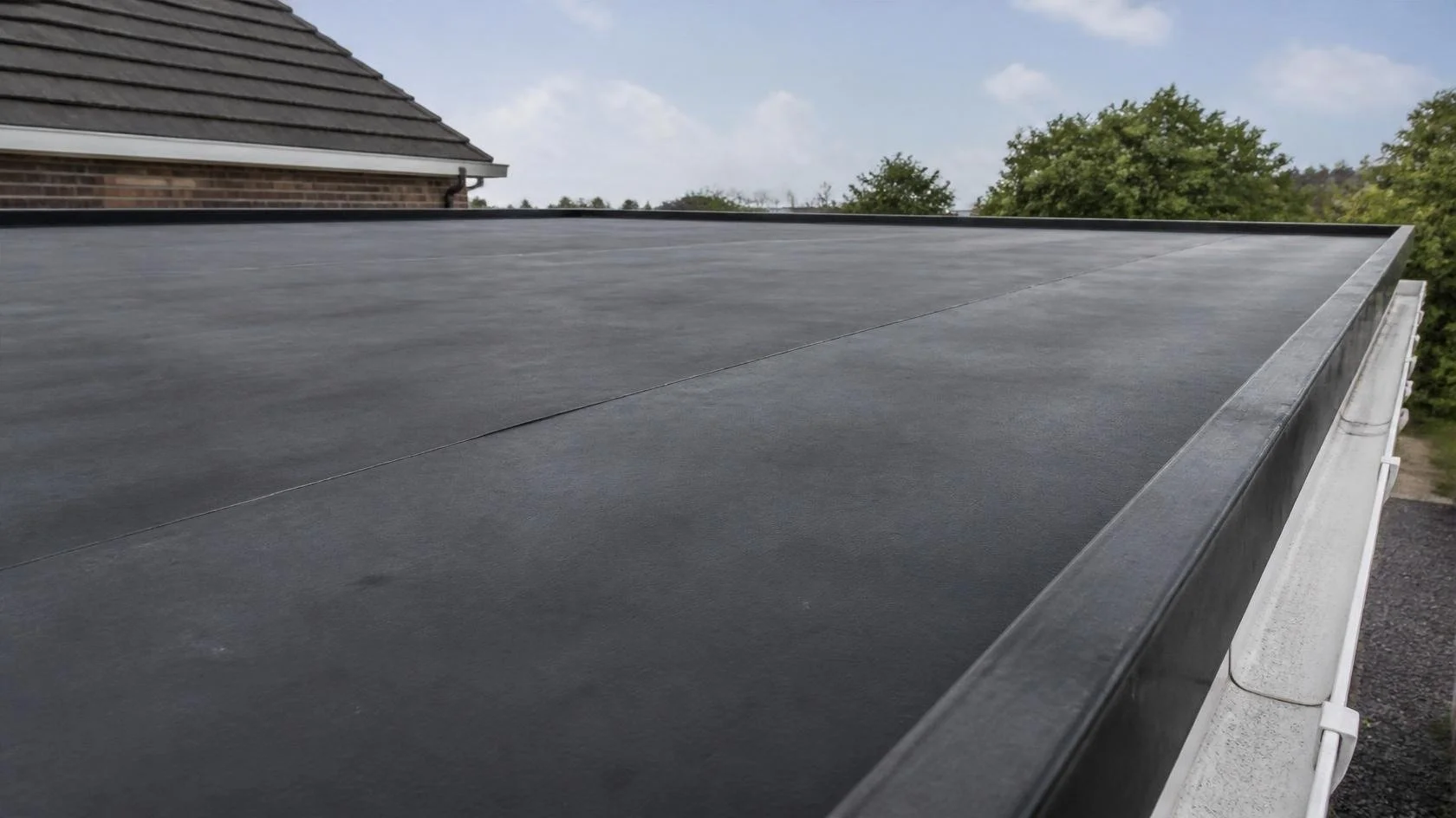
Close-up of a black EPDM rubber membrane roof on a Maryland home.
EPDM — short for ethylene propylene diene monomer — is basically a super tough rubber sheet. It’s durable, flexible, and can last 25–30 years when properly installed.
It usually comes in black, which helps absorb heat (a bonus in cold weather, but not so great in summer). A white version exists too, but black is more common.
One big plus about this material? EPDM doesn’t show dirt easily, so it stays looking cleaner longer. It’s a great option for garages, porches, and even additions that don’t have much foot traffic on the roof.
PVC (Polyvinyl Chloride)
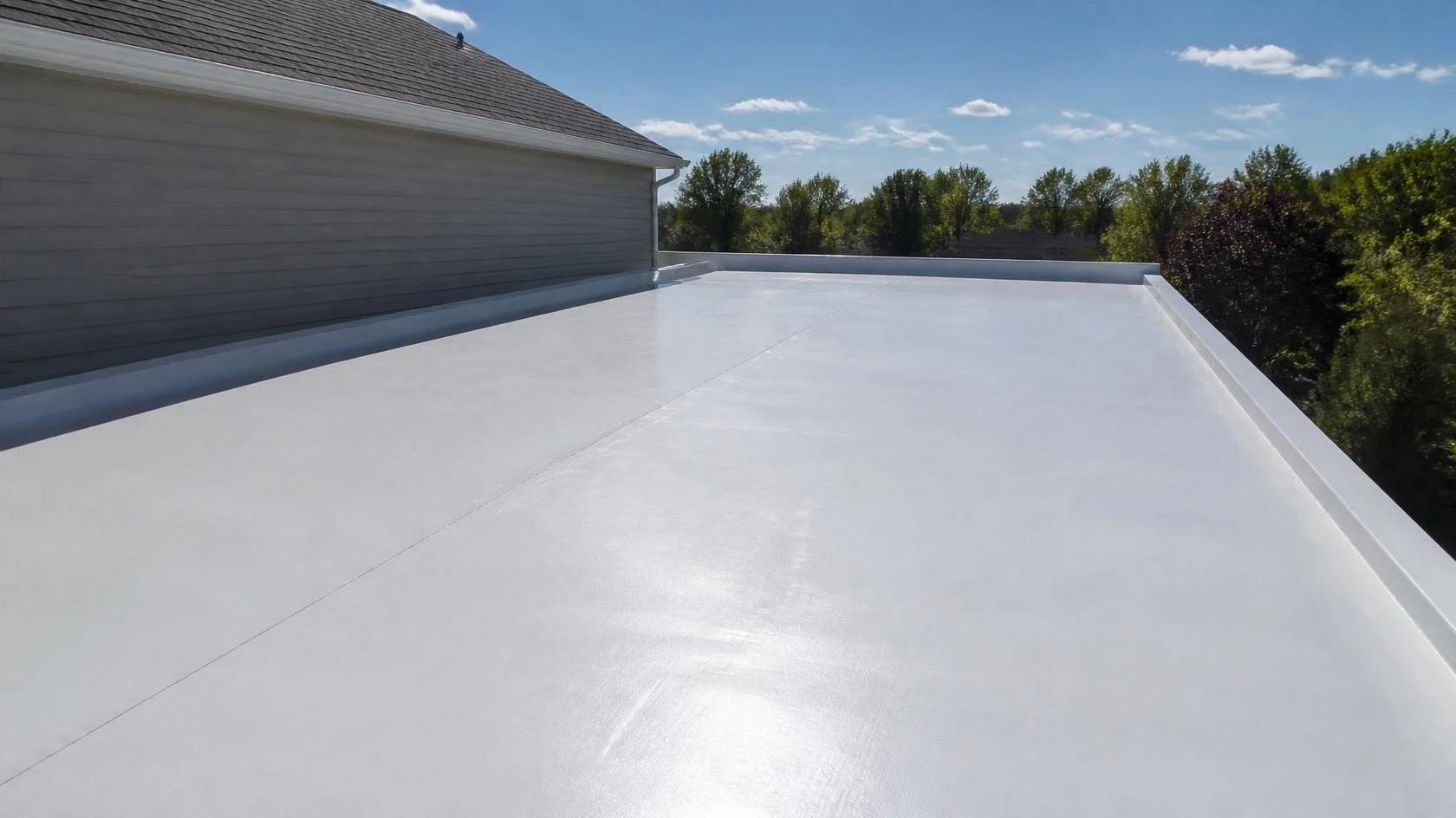
A white PVC membrane roof reflecting sunlight on a Maryland home
PVC roofing is a white, reflective membrane that bounces sunlight away instead of soaking it up. That makes it perfect for energy efficiency, especially during those hot Maryland summers.
It’s durable, waterproof, and lasts around 25 years with good maintenance. The only downside is it can get dirty over time, but that doesn’t affect how it performs.
PVC is ideal for low slope roofs directly above living spaces since it helps keep rooms cooler.
TPO (Thermoplastic Polyolefin)
TPO is similar to PVC — it’s white, reflective, and energy-efficient — but it’s slightly less flexible. Still, when installed correctly, a TPO roof should last around 25 years.
Many homeowners choose TPO because it balances cost, performance, and appearance. It’s also a good fit for homes looking to stay energy-efficient without breaking the bank.
2. Metal Roofing Systems
Metal might not be the first thing that comes to mind for a low slope roof, but it can work really well; as long as there’s enough slope for water to drain.
Metal roofs bring a clean, modern look, they last a long time, and they’re tough against Maryland weather. But remember: they shouldn’t be used on completely flat roofs unless your roofer builds up the surface slightly to create drainage.
Standing Seam Metal Roof
This is one of the best metal options for low slope roofs. A standing seam metal roof uses panels that lock together at the seams. That design allows the metal to expand and contract with temperature changes without warping or loosening.
It’s sleek, durable, and can last 30–50 years with little maintenance. Some homeowners notice that rain sounds louder on a metal roof, but most say they get used to it quickly. If you want longevity and style, standing seam is a solid choice.
Exposed Fastener Metal Roof (Screw-Down Roof)
This version uses visible screws to attach the panels directly to the roof deck. It’s more affordable than standing seam metal, but there’s a catch: the screws eventually loosen as the metal expands and contracts.
When that happens, the washers can wear out, leading to leaks if not maintained. These roofs last around 30 years, but they’ll need occasional upkeep (mainly tightening or replacing screws).
For residential homes, especially over living spaces, standing seam is the better long-term investment.
Choosing the Right Material for Your Maryland Home
In Maryland, we deal with everything from humid summers to snow and ice in winter. That mix of weather makes choosing the right low slope material even more important.
Here’s a quick guide:
EPDM – Best for garages, porches, or non-living spaces.
PVC or TPO – Great for energy efficiency and rooms directly below the roof.
Standing Seam Metal – Perfect for modern homes and areas that see both heavy rain and snow.
The key is to work with a roofing contractor who understands local weather conditions, like Da' Roofers. They’ll know which materials hold up best and how to install them properly to avoid pooling or leaks.
Common Problems with Low Slope Roofs
Even the best materials need a little care. Here are a few issues to watch for:
Standing water: The biggest culprit behind leaks.
Seam separation: Over time, membrane edges can lift if not sealed well.
Poor drainage: Gutters or scuppers that get clogged can trap water.
Improper installation: Always go with a roofer who’s experienced with low slope systems, not every contractor is.
Regular inspections can catch these problems early before they lead to bigger roof repairs.
Final Thoughts
A low slope roof might look simple, but it needs just as much attention as any other type of roof (maybe even more). Picking the right materials and working with the right roofer will save you from leaks, mold, and headaches later on.
If you’re in Maryland and think your roof might be low slope, schedule a professional inspection. The roofer can tell you your pitch, spot potential issues, and suggest the best options for long-lasting protection.
Your roof doesn’t need to be steep to keep your home safe. It just needs to be done right.
FAQs
1. What is considered a low slope roof?
Any roof with a pitch below 2:12; meaning it rises less than 2 inches for every 12 inches it runs horizontally.
2. What pitch is too low for shingles?
Anything under 2:12 is too low for shingles. Shingles rely on gravity to drain water, and flat areas don’t drain fast enough.
3. What is the best material for a low slope roof?
Membrane roofing (like EPDM, TPO, or PVC) or standing seam metal roofing are the best choices for low slope roofs.
4. How long does a low slope roof last?
Around 25–30 years for membrane roofs and up to 50 years for standing seam metal roofs.
5. How do you waterproof a low slope roof?
By using continuous waterproof membranes like EPDM or PVC and ensuring proper drainage.
6. What type of low slope roof works best for the Maryland climate?
PVC or standing seam metal roofs handle heat, rain, and snow well, which makes them quite suitable for Maryland.
