

6 Ways the Weather Affects Your Roof in Maryland
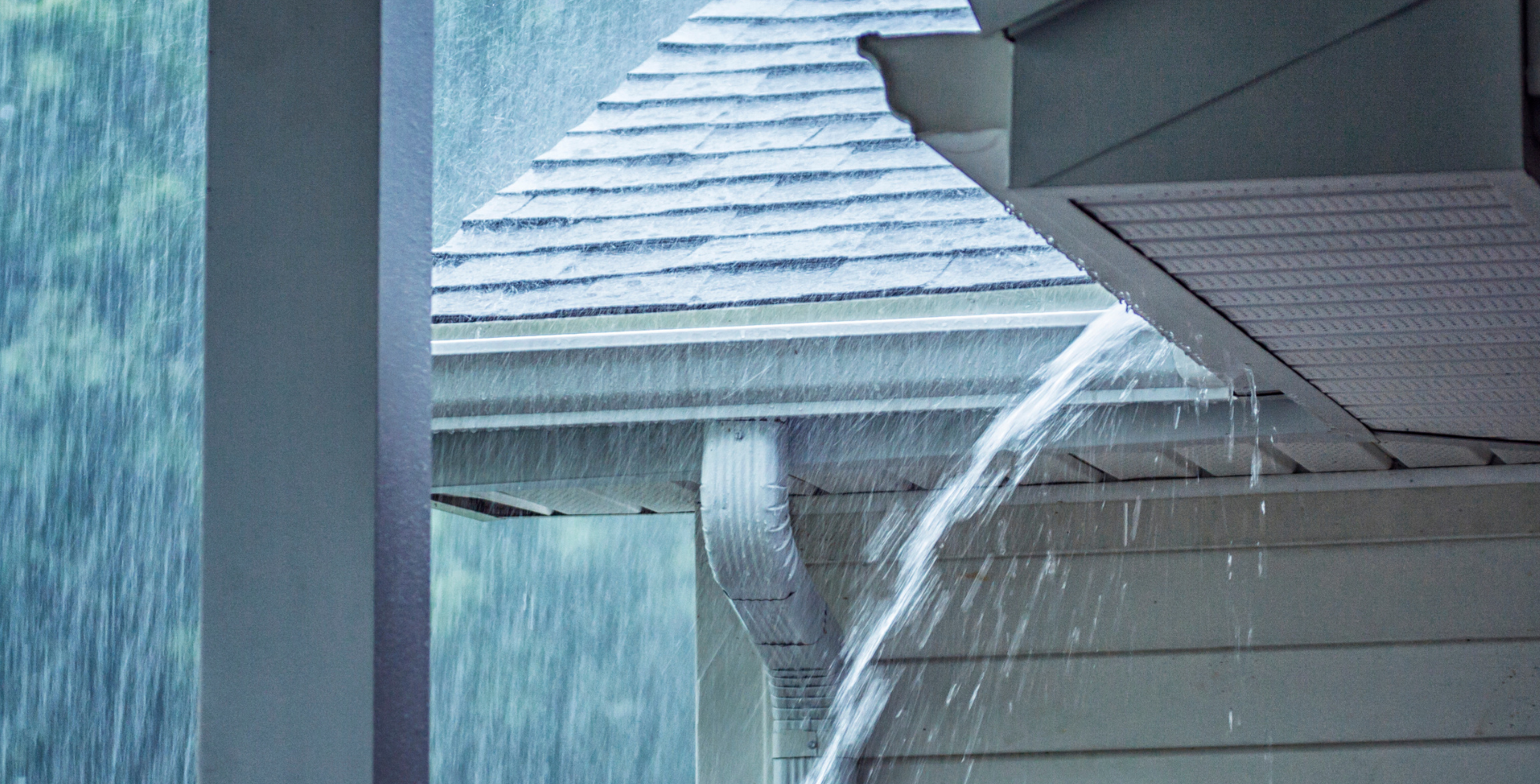
heavy rain and wind affecting a roof in Maryland area
If you live in Maryland, you know the weather can change with the seasons. Hot and humid conditions, heavy rain, thunderstorms, and winter precipitation can all affect your roof. These changing weather conditions can put stress on roofing materials over time.
Your roof’s job is to protect your home, but the constant changes in weather take a toll over time. Some problems build up slowly, while others show up right after a bad storm. Either way, knowing how weather affects your roof can save you from costly repairs later.
Here are 6 ways Maryland weather can affect your roof:
Everyday wear and tear
Roof leaks during heavy rain
Storm, wind, and hail damage
Hot summers and poor ventilation
Cold winters and moisture buildup
Ice dams in snowy weather
These are six ways Maryland’s weather can affect your roof. Let’s look at what each one means and what you should watch for.
1. Everyday Wear and Tear
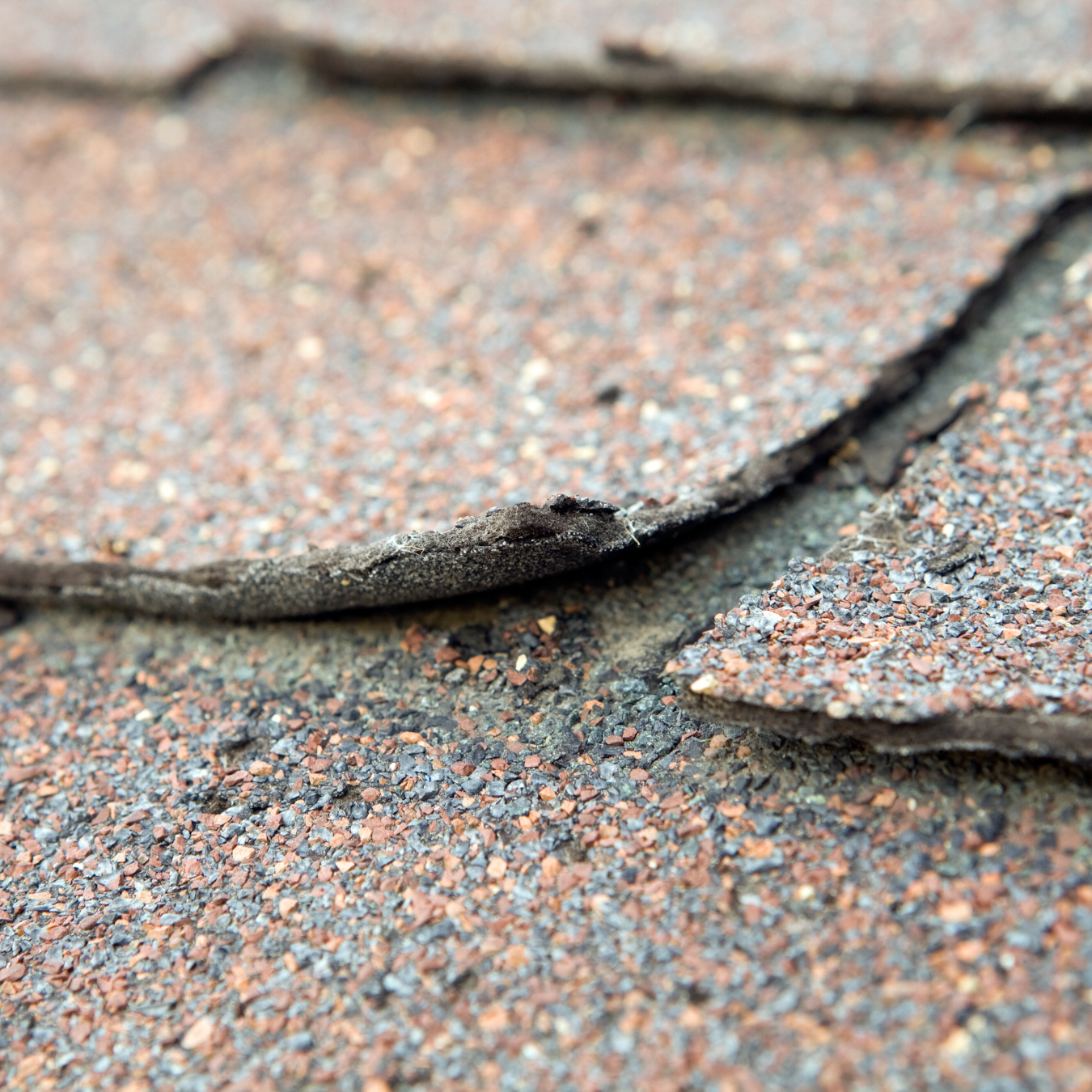
Lifted shingles on a residential roof
Every roof ages, but in Maryland the mix of hot summers, cold winters, and plenty of rain speeds up the process. Shingles lose their granules, edges curl, and flashing loosens. Even if it’s not obvious right away, small changes like these add up and shorten the life of your roof.
Regular inspections help catch this natural wear and tear before it becomes a bigger issue, such as leaks or weak spots.
2. Roof Leaks During Heavy Rain
If you’ve lived here long enough, you’ve probably seen those sudden downpours that dump buckets of rain in minutes. That much water puts extra pressure on your roof.
Even a small problem, like a popped nail or loose shingle, can quickly turn into a leak when the rain is heavy and wind-driven. It's easy for water to find its way into cracks, behind flashing, or under shingles. Once it gets in, it can stain ceilings, damage insulation, and create mold problems. Yuck.
3. Storm, Wind, and Hail Damage
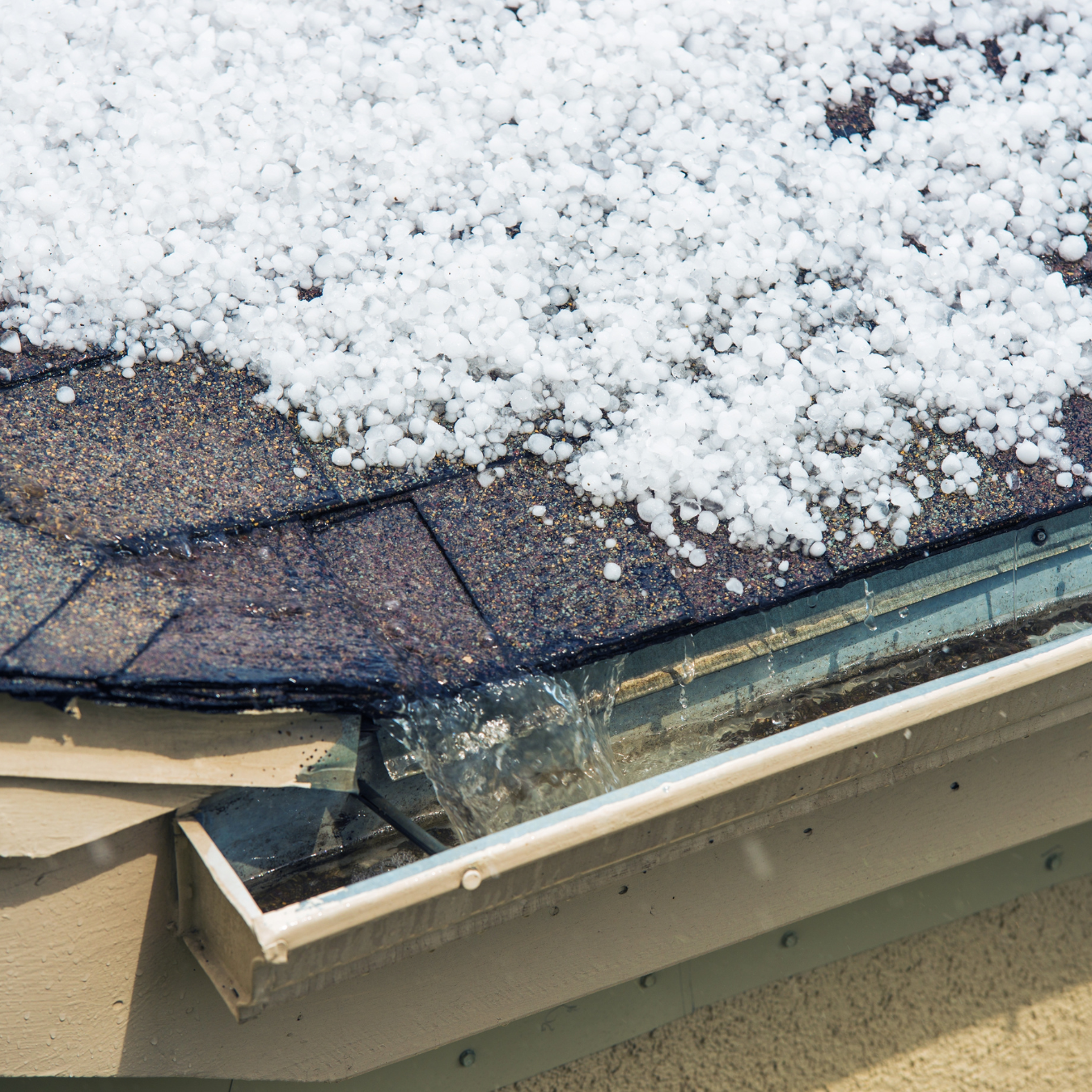
Winter snow causing roof damage and cracks
Maryland can experience thunderstorms, strong winds, and hail, particularly during warmer months. Strong winds can lift or remove shingles and damage metal flashing. Hail can also damage roofing materials, depending on its size, intensity, and the condition of the roof.
In more extreme cases, tree limbs snap and fall during storms, leaving serious damage behind. This is why checking your roof after big storms is so important — you might not notice damage from the ground, but small issues can get worse fast.
4. Hot Summers and Poor Ventilation
Anyone who’s been in a Maryland attic during July knows how hot it can get. Without proper ventilation, attic temperatures climb to dangerous levels. That trapped heat cooks your shingles from underneath, making them crack, curl, and wear out early.
It’s not just the roof that suffers. A hot attic makes your upstairs rooms miserable and forces your AC to work harder, which means higher energy bills. Proper airflow in the attic helps your roof, your comfort, and your wallet!
5. Cold Winters and Moisture Buildup
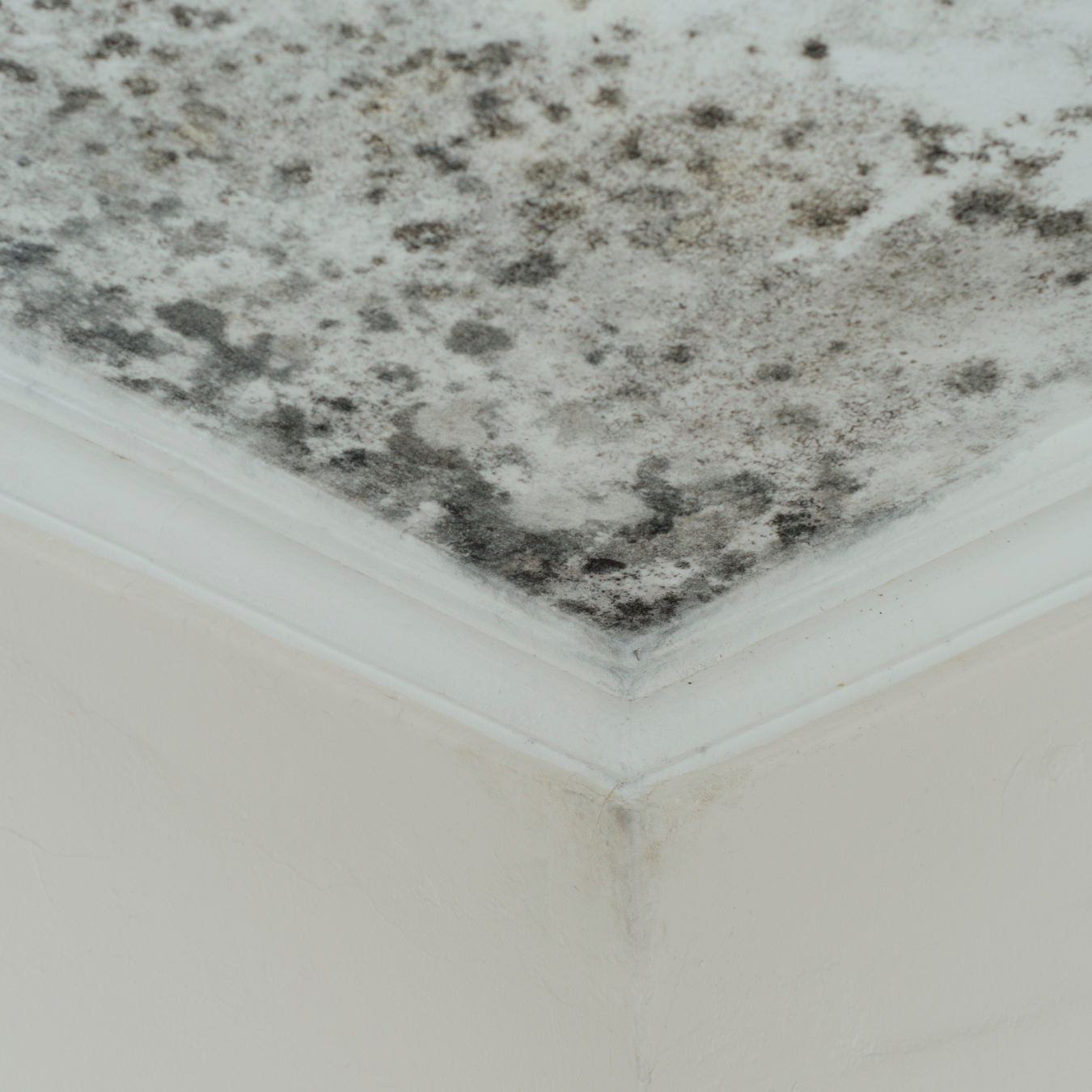
Mold buildup on ceiling due to moisture from poor roof installation
Cold weather brings a different set of problems when warm air from inside your home meets cold attic air, and condensation forms. Over time, that moisture seeps into the wood decking under your shingles.
The result? Rotting wood, weakened structures, mold growth, and even termites come move in if left unchecked. Because this damage often happens out of sight, many homeowners don’t notice until repairs are expensive. Always check for signs of moisture buildup.
6. Ice Dams in Snowy Weather
Snow and freezing conditions can occur in Maryland during winter. When snow melts and refreezes along the edge of a roof, ice dams can form and interfere with drainage.
As more snow melts, water builds up behind the ice dam and eventually seeps under your shingles. This can cause leaks inside your home, damaging ceilings, walls, and insulation. Keeping gutters clean and making sure your attic is ventilated are two of the best ways to lower the risk.
Final Thoughts
Living in Maryland means preparing your roof for seasonal changes, from summer heat and heavy rain to winter snow and freezing conditions. These weather patterns can put stress on your home’s first line of defense: the roof.
The good news? Regular roof inspections, good attic ventilation, and quick repairs go a long way in preventing major damage. That's why working with a trusted local roofer, like Da’ Roofers, is so important. We can help you spot issues early, saving you money and giving you peace of mind.
FAQs
1. How does hot weather affect your roof?
Hot rays of sunlight combined with high attic temperatures can cause shingles to crack, curl, and age faster. This is not good for your roof and significantly reduces its lifespan.
2. Can heavy rain damage a roof?
Yes. Heavy or wind-driven rain can force water into weak spots, leading to leaks. This type of weather can also rip off shingles, which is a sure recipe for leaks. If this happens, read our article on what to do.
3. What causes roof leaks in winter?
Leaks in winter often come from ice dams or condensation in poorly ventilated attics. They're often serious and need to be taken care of early before they cause too much damage.
4. How do you prevent ice dams on a roof?
To prevent ice dams on your roof, keep the gutters clear, improve attic ventilation, and make sure insulation is properly installed. You should also ask your roofer to install an ice and water shield, so water can't seep into your roof deck.
5. What is the most common weather-related roof damage?
Storms can cause several types of weather-related roof damage in Maryland, including lifted or missing shingles, damaged flashing, and leaks from heavy or wind-driven rain.
