

How Roof Maintenance Works in Maryland
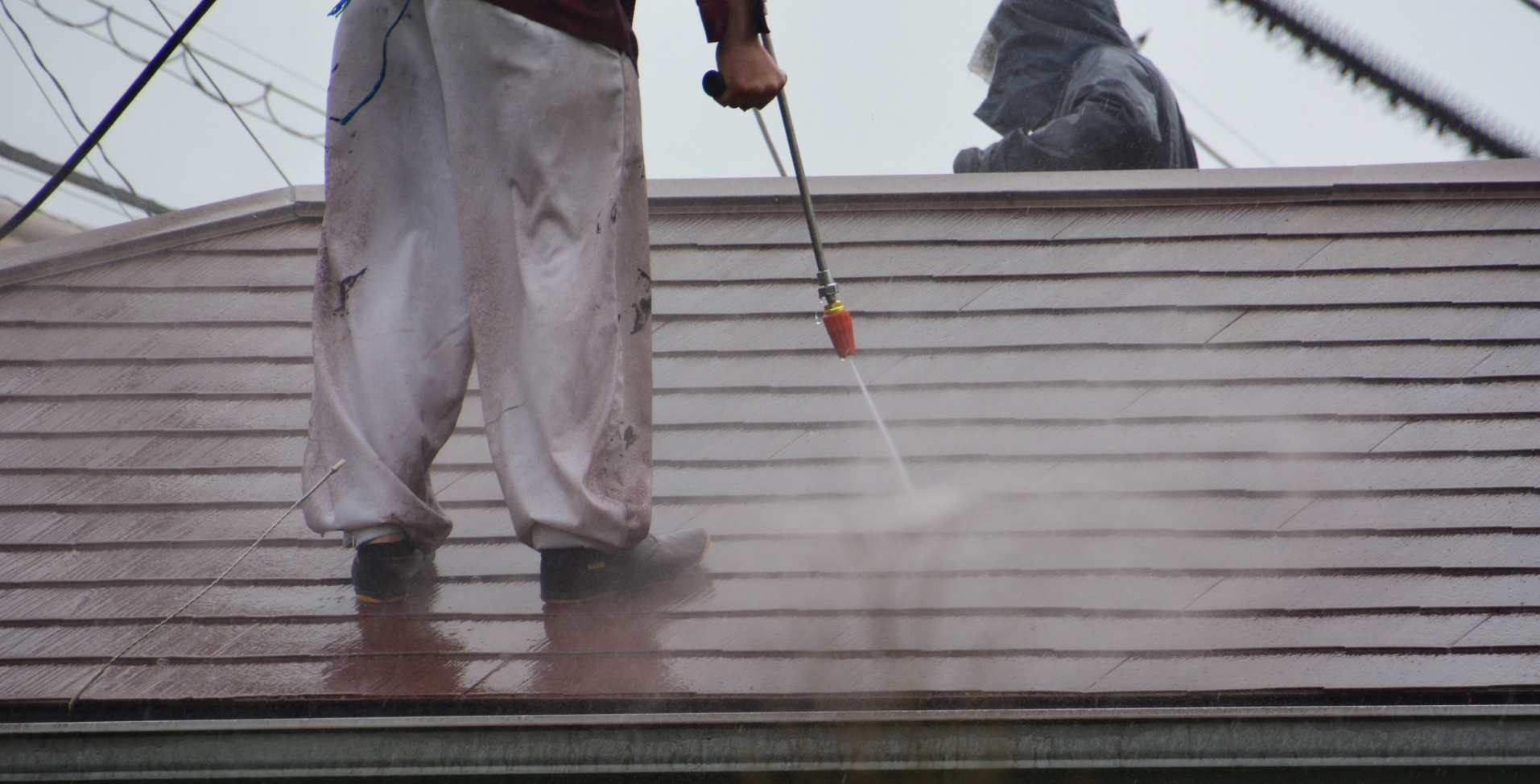
Roof cleaning to prevent damage and extend roof life
If you own a home in Maryland, you already know how unpredictable our weather can be. One week it’s sunny and hot, the next week it’s thunderstorms, and then winter rolls in with ice and snow. All that changing weather puts a lot of stress on your roof.
Your roof is your home’s first line of defense. Without taking proper care of it, small issues can turn into big headaches such as leaks, wood rot, mold, and even structural damage. Roof maintenance is like giving your home a regular health check-up. Just like you’d get your car’s oil changed to keep it running, your roof needs routine care to keep it strong and reliable.
Roof maintenance usually involves:
General roof inspection
Small repairs on the spot
Checking pipe boots
Flashing inspection
Clearing debris
Looking for animal intrusion
Ventilation check
Gutter cleaning
Skipping maintenance often means bigger bills down the road. A simple gutter cleaning today could prevent thousands of dollars in water damage later. That’s why roof maintenance is not just optional; it’s one of the smartest investments you can make in your home, especially here in Maryland.
What Roof Maintenance Includes
Let’s break down what a typical roof maintenance visit looks like when you hire a trusted roofing contractor in Maryland.
1. General Roof Inspection
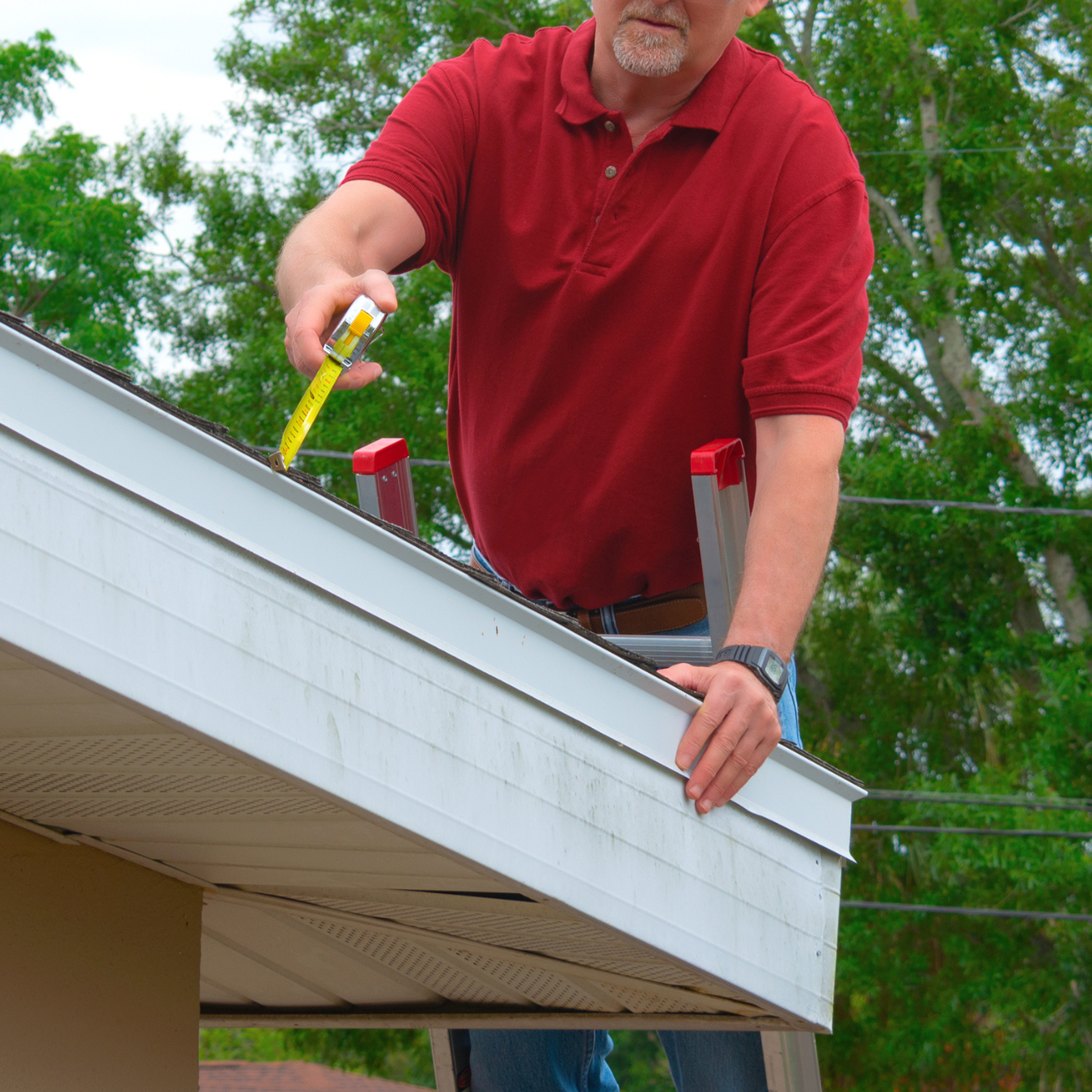
Roofer performing a general roof inspection in Maryland
The first step is a full roof inspection. The roofer walks the roof, looks at the shingles, flashing, vents, and gutters, and checks for any weak spots. They’re looking for missing or cracked shingles, soft patches, water stains, and other red flags.
This inspection gives you a clear picture of your roof’s current condition. Maybe it’s good for another decade, or maybe you’re looking at replacement in a few years. Either way, you get peace of mind.
2. Small Repairs on the Spot
One big benefit of maintenance is catching and fixing the little things. Loose nails, popped shingles, and minor leaks can often be handled right on the spot. These small repairs are usually included or discounted as part of a maintenance program.
Think about it: would you rather pay for a small repair now or deal with water damage in your attic later? It’s the small fixes that save the most money over time.
3. Checking Pipe Boots
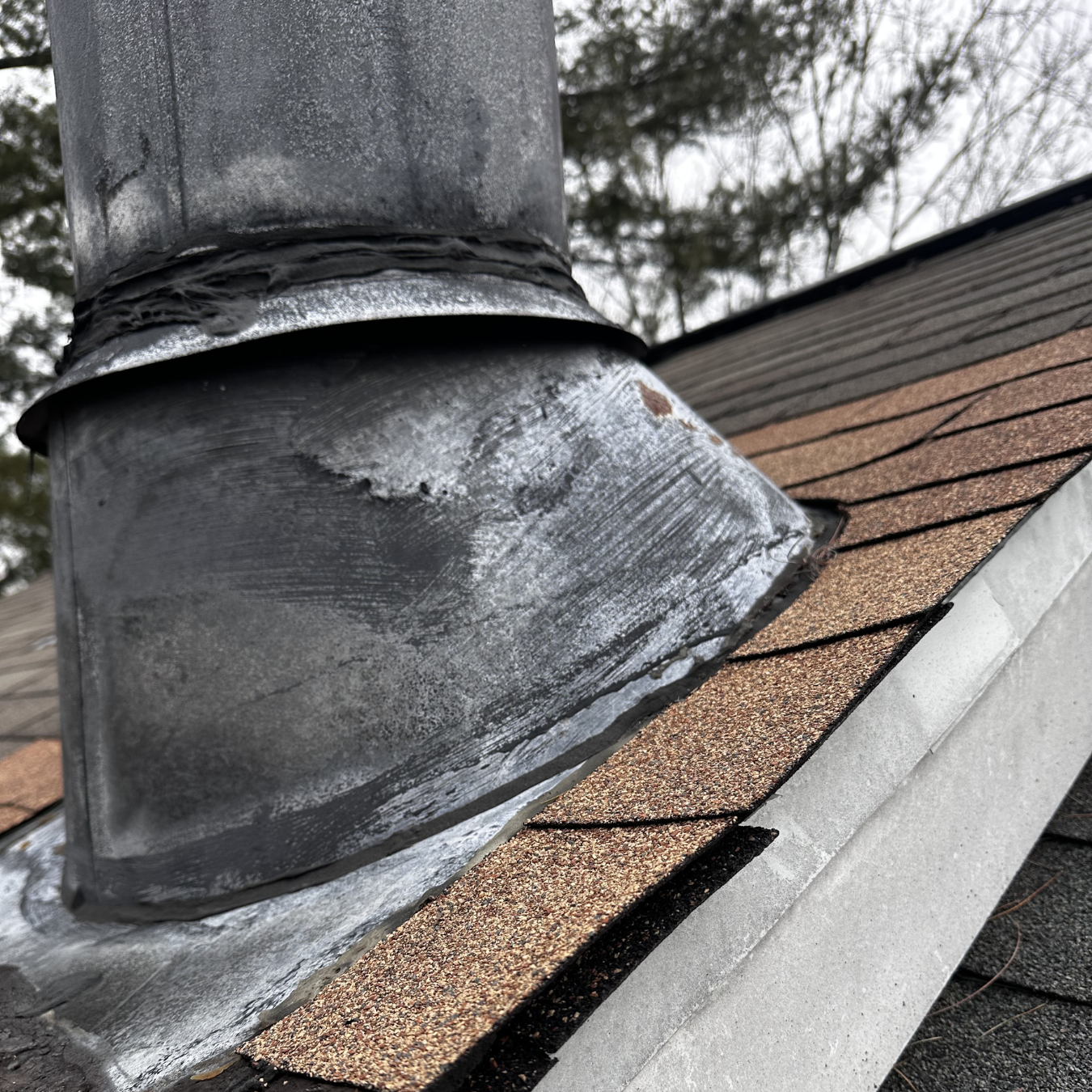
Close-up of a pipe boot on a roof showing its condition
If you’ve never heard of a pipe boot: It’s the rubber cover that seals the area where vent pipes come out of your roof. Over time, sun exposure and weather cause these to crack.
When that happens, water seeps in. This is actually one of the most common causes of roof leaks. During maintenance, roofing contractors check every pipe boot and replace any that look worn out. Catching this early keeps water from dripping into your home and causing damage to drywall and other interior damage.
4. Flashing Inspection
Flashing is the thin metal placed around chimneys, skylights, valleys, and other roof joints. Its job is simple: direct water away from the areas that leak most easily.
If flashing is rusted, bent, or poorly sealed, water can seep in fast. Contractors inspect flashing closely during maintenance. If it’s damaged, they’ll repair or replace it before it causes a leak inside your walls.
5. Clearing Debris
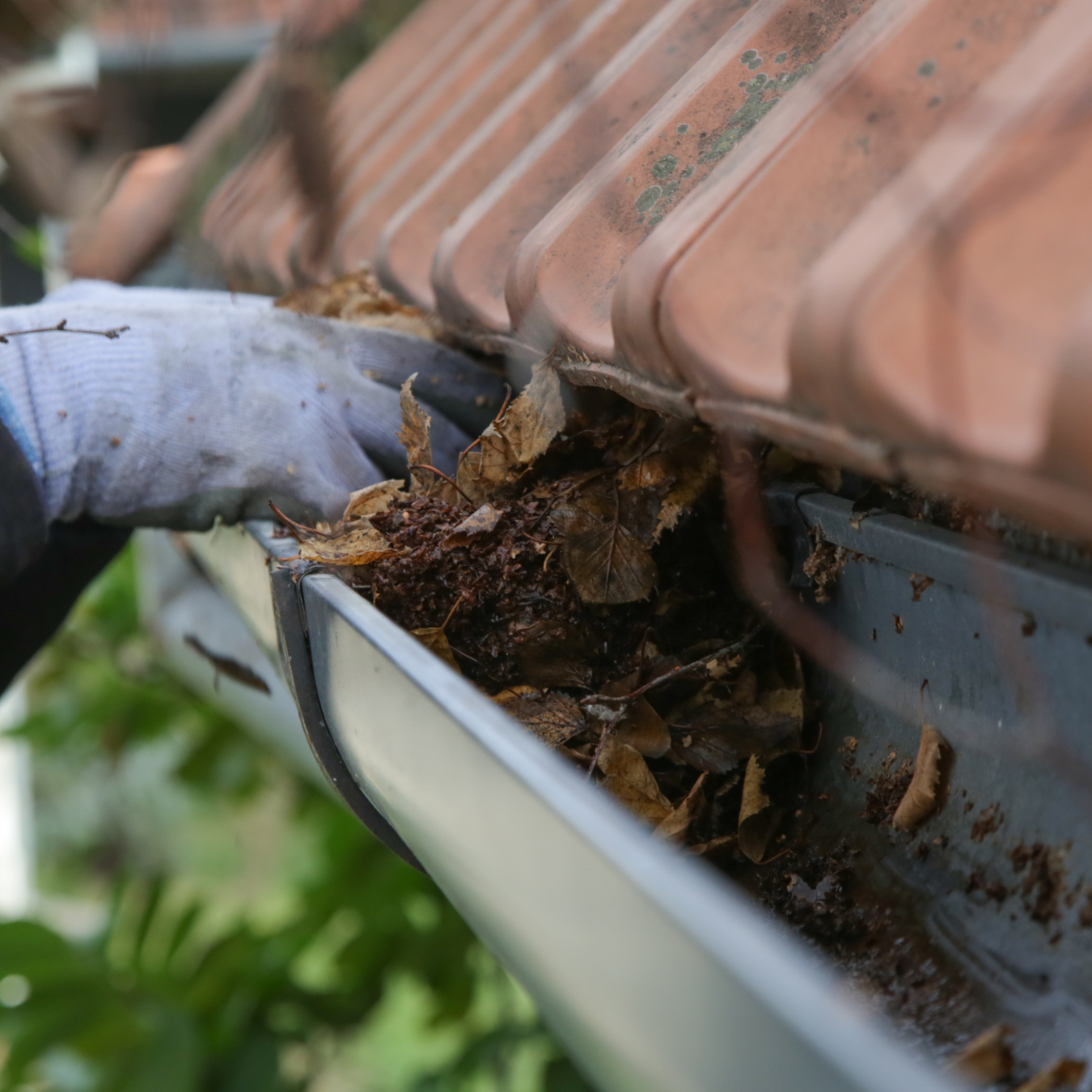
Cleaning leaves and debris off a roof
Leaves, twigs, pine needles, and other debris don’t seem like much, but they can shorten your roof’s life and allow water to get in. Debris holds moisture, which soaks into shingles and weakens them. In valleys, debris can create blockages, forcing water to back up under the shingles and leak into your house. Totally watch out for this if you have a slate roof since those slate tiles and pieces aren’t bonded together like asphalt shingles.
During maintenance, roofers clear away all sitting debris. This not only protects your shingles but also keeps your drainage system working smoothly.
6. Looking for Animal Intrusion
Squirrels, raccoons, and birds are common in Maryland, and they love to find cozy attics to nest in. Unfortunately, they can chew or claw their way in through the roof.
A good roofer checks for holes, nests, or signs of gnawing. If animals are now calling your home their home (no thank you!), it’s time for a roof repair. A roofer will patch up the entry points so you can handle the critters before they cause more damage.
7. Ventilation Check
Attic ventilation is one of the most overlooked parts of roof health. Without proper airflow, your attic traps heat and moisture. That leads to mold growth, higher energy bills, and premature roof failure.
Roof maintenance includes checking your vents to make sure they’re not blocked and are working correctly. This small step makes a big difference in how long your roof lasts.
8. Gutter Cleaning
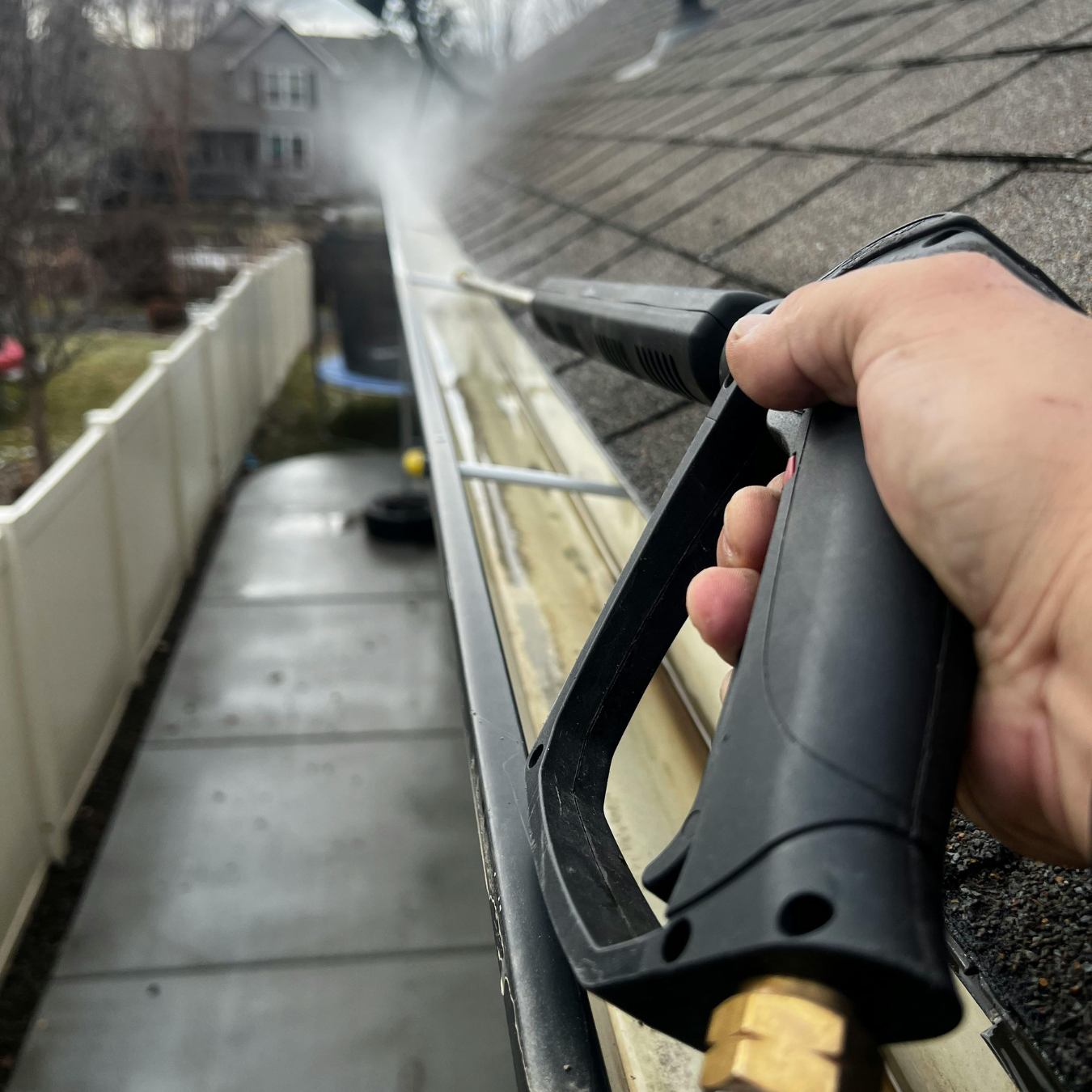
Professional gutter cleaning service in action
Clogged gutters are a recipe for disaster. Water needs to flow away from your home, but when gutters are full of leaves, it backs up under the shingles. That can cause roof leaks, rotting wood, mold growth, and even foundation problems.
Many roofing contractors in Maryland include gutter cleaning as part of their maintenance service. Keeping gutters clear is one of the best ways to protect not just your roof, but your whole home.
How Often Should You Get Roof Maintenance in Maryland?
How often you need maintenance depends on your roof’s age, the type of material, and your surroundings. Here are some general guidelines:
At least once a year – Minimum recommendation for most Maryland homeowners.
Twice a year (spring and fall) – Most ideal, especially because of heavy rains, hurricanes, and snowstorms in our area.
Quarterly checks – Smart for commercial buildings or homes under lots of tree cover.
Spring checks catch damage from winter ice and snow, while fall checks prepare your roof for the cold season ahead.
Roof Maintenance and Maryland Weather
Maryland’s climate makes maintenance even more important.
Heavy Rain & Thunderstorms – Can expose weak shingles or flashing.
Snow and Ice – Ice dams can form, forcing water under shingles.
High Humidity – Encourages mold and algae growth.
Falling Leaves and Branches – Cause clogged gutters every fall and perhaps damage to your roof.
All of these factors mean annual or biannual maintenance isn’t just a suggestion — it’s almost a necessity.
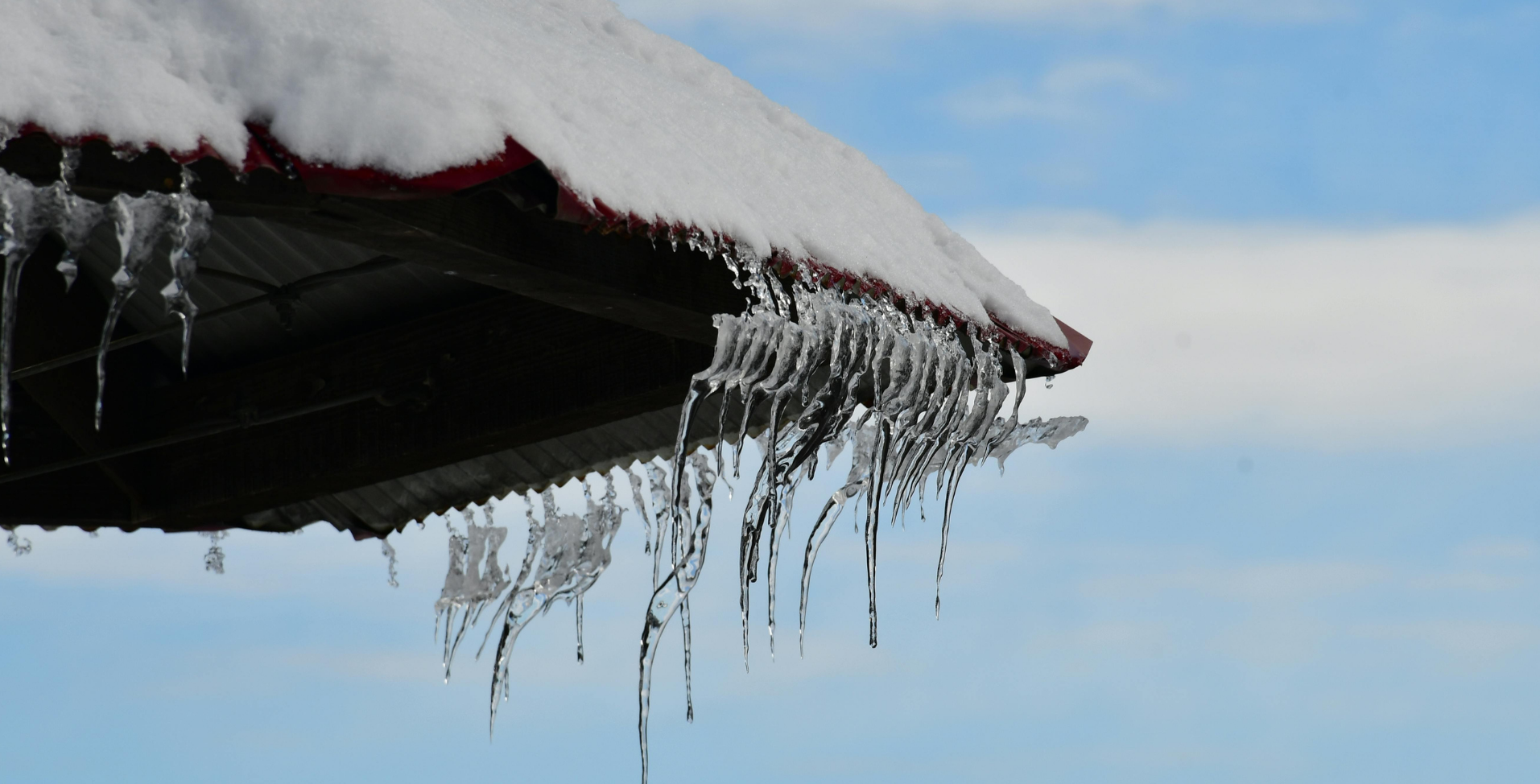
Ice dams forming on a roof requiring maintenance
Seasonal Roof Maintenance Tips for Maryland Homeowners
Here’s how you can stay on top of things between professional visits:
Spring: Check for shingles damaged by snow or ice. Clean gutters before heavy spring rains.
Summer: Look for signs of mold or algae growth in humid weather. Trim tree branches away from the roof.
Fall: Clear leaves from gutters and valleys. Make sure vents are free of blockages before winter.
Winter: Watch for ice dams. Use a roof rake to safely clear heavy snow if needed.
The Payoff of Regular Maintenance
It’s easy to think, “If it isn’t leaking, why bother?” But here’s the truth: roofs rarely fail overnight. Problems build up slowly (loose shingles, tiny cracks, clogged gutters) and before you know it, you’ve got water in your walls.
Regular maintenance stretches your roof’s lifespan, saves money on repairs, protects your home’s value, and gives you peace of mind. Instead of waiting for a big repair bill, you’re staying ahead of problems.
Conclusion
Roof maintenance in Maryland isn’t just a once-in-a-while chore; it’s an investment in your home’s future. From small repairs to gutter cleaning, each step adds years to your roof’s lifespan and saves you from costly surprises.
If you live in Maryland, scheduling annual or biannual maintenance with a local roofer is one of the smartest home decisions you can make. It’s affordable, proactive, and keeps your family safe and dry through every season in Maryland.
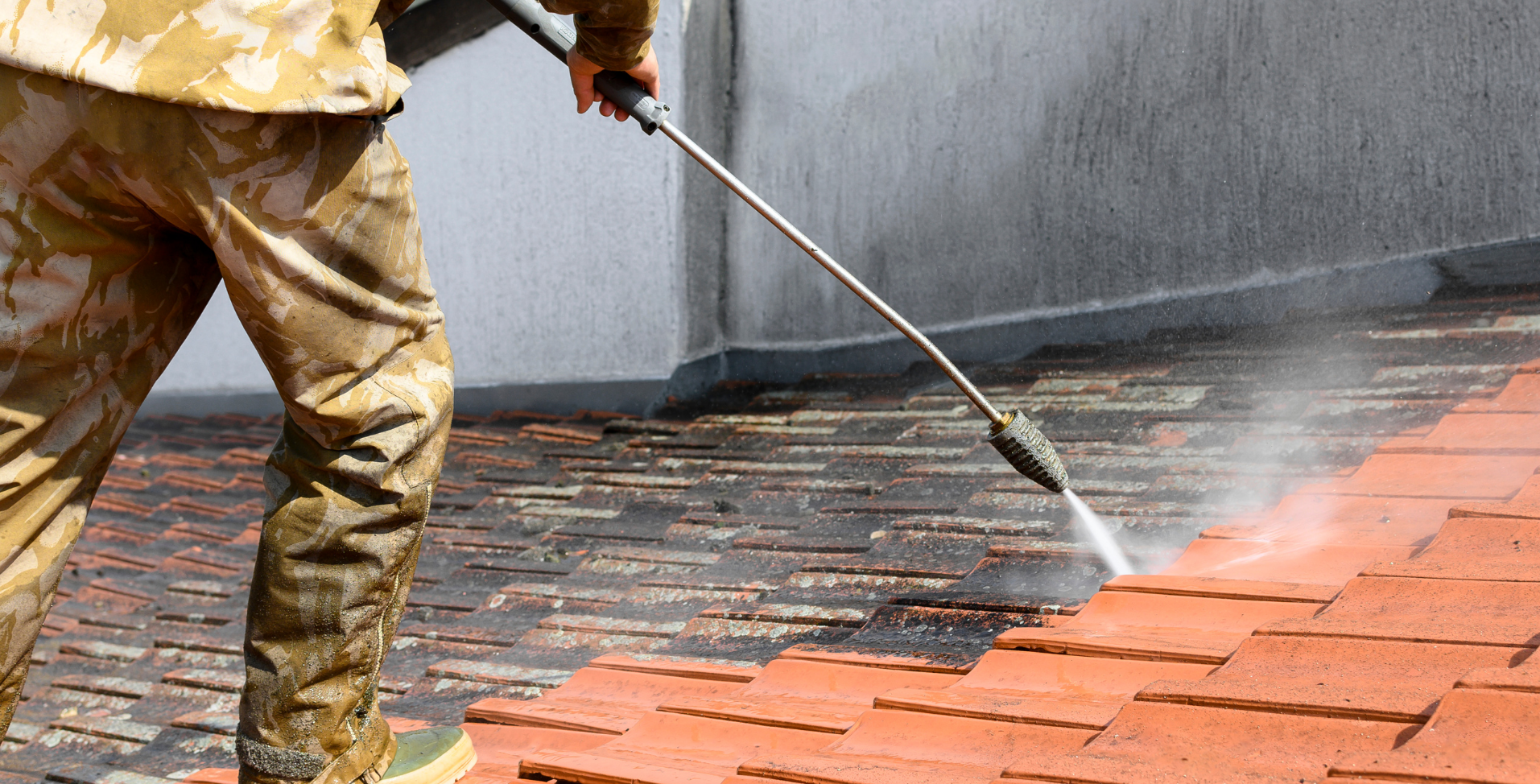
Expert roof maintenance in Maryland
FAQs
1. How often should I get my roof inspected and maintained in Maryland?
That depends on your roof’s age, the type of material, and your surroundings. At least once a year is recommended, but ideally twice is the best — once in spring and once in fall.
2. How do I know if my roof needs maintenance?
Look for missing shingles, leaks, clogged gutters, sagging spots, or signs of animals in the attic. Even if you don’t notice problems, yearly maintenance is smart.
3. Does gutter cleaning count as roof maintenance?
Yes. Clean gutters are key to protecting your roof and home from water damage. Many roofers include it in maintenance services. However, it's just one of the steps involved in the maintenance process.
4. How much does roof maintenance cost in Maryland?
It varies depending on the contractor, but routine maintenance is far cheaper than paying for major repairs or an early roof replacement.
