

How Long It Takes To Replace Roofs in the DMV?
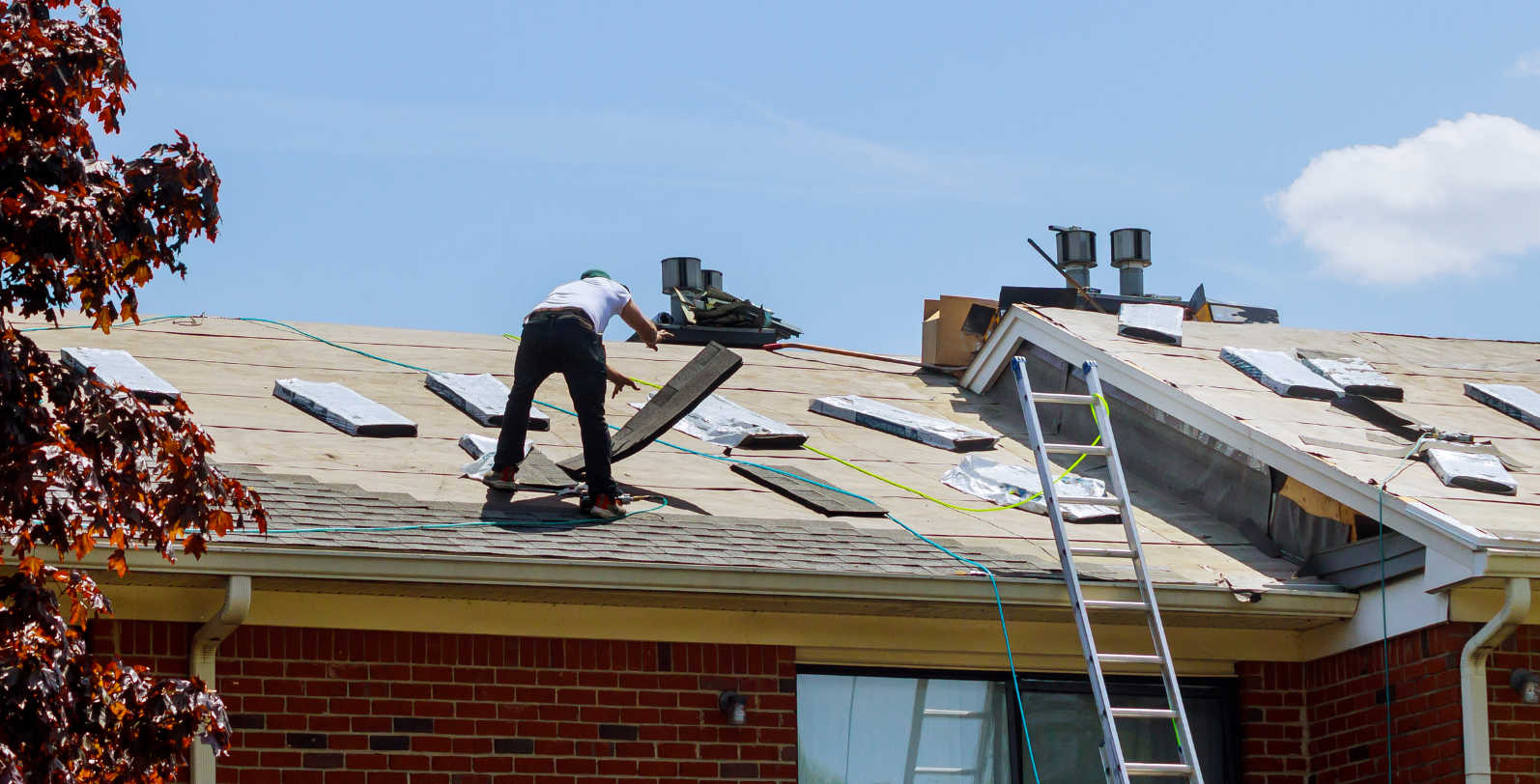
Roofer replacing a residential roof in the DMV area
When you find out you need a new roof, one of the first questions that pops up in your head is: “How long is this going to take?”
Good question. A roof replacement isn’t something small like painting a room. It's a big project. Crews will be on your property, trucks will block your driveway, and you’ll likely hear hammering most of the day. However, the good news for most DMV homeowners is that the process is quicker than you’d expect.
In many cases, a roof can be replaced in one to three days. But that’s not always the case. Sometimes, it can stretch into a full week or even longer depending on the size of your home, the material you choose, and even the time of year.
Let’s take a closer look at what homeowners across D.C., Maryland, and Virginia can realistically expect.
The Average Roof Replacement Timeline in the DMV
For the typical single-family home in this region, crews can usually replace a roof in one to two days if they’re working with asphalt shingles. Here’s a quick breakdown:
Small to average homes (1,500–2,000 sq. ft.): 1 day
Larger homes or homes with multiple slopes: 2–3 days
Complex designs or premium roofing materials: 3 days to 1 week
Every home is different, so don’t be surprised if your neighbor’s roof was finished in a day while yours takes three. The difference often comes down to roof size, steepness, or even something as simple as how close the driveway is to the roofline.
Factors That Affect How Long It Takes
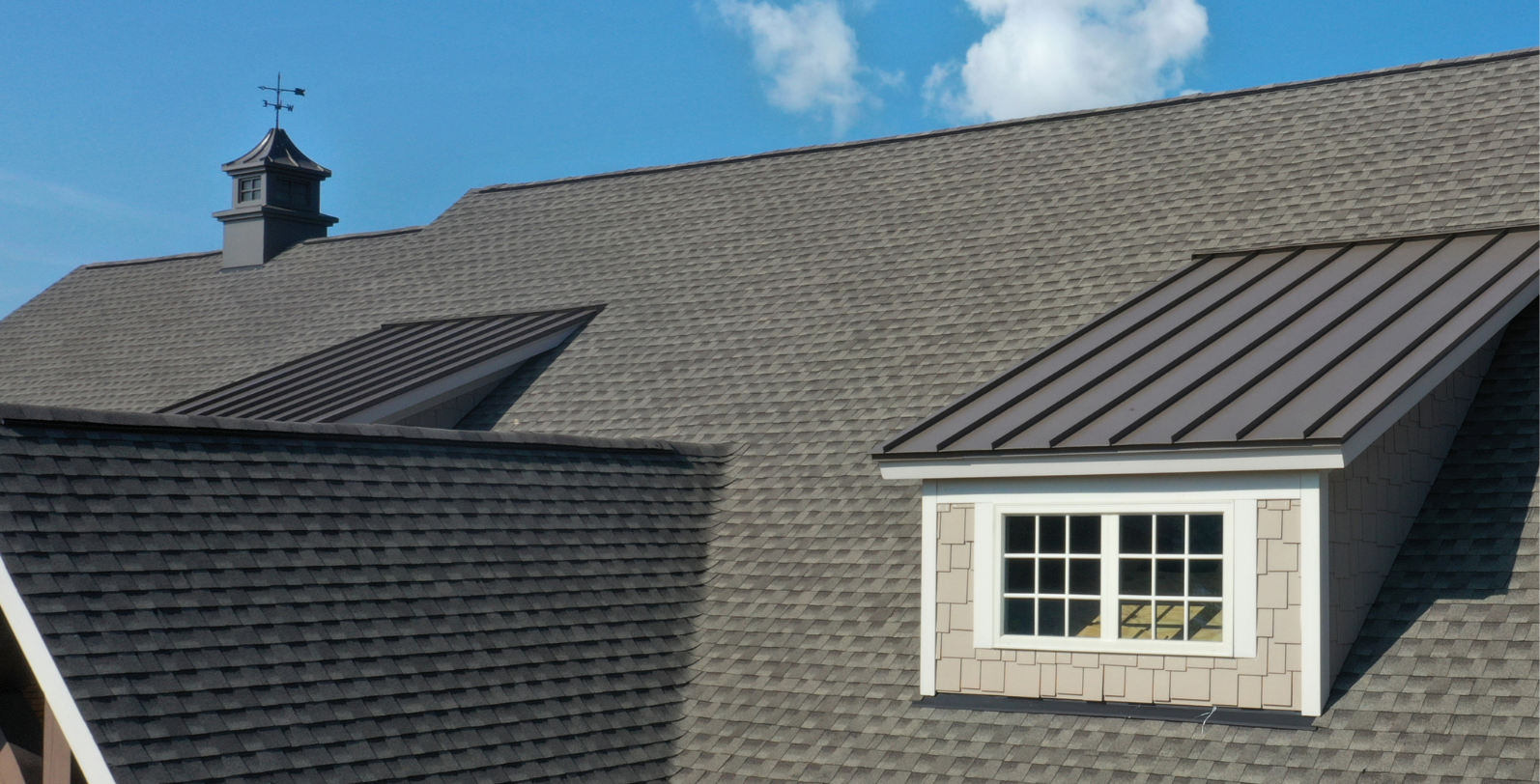
Steep dmv residential roof with shingles
Let’s break down the main factors that determine how long it'll take for your roof replacement in the DMV.
1. Roof Size (Square Footage)
Bigger roofs take longer to replace, plain and simple. Roof size is often measured in “squares,” and one square equals 100 square feet of roofing area.
So if you live in a rowhouse in DC with a 7 square roof, it’s less area to cover and will take less time to complete. But a sprawling mansion in Potomac could be 100 squares and take 3 days to complete. Typically Da’ Roofers crew can complete 25 squares in one very long day. HOWEVER, we can bring on more crew to make the installation go faster.
So in short, the more squares you have, the more time it’ll take to tear off old shingles, haul debris away, and install your new roof.
2. Roof Pitch (Steepness)
Pitch refers to how steep your roof is and is also known as the longest side of the triangle - hello math! When it comes to roof replacement, the steeper the slope (aka pitch), the longer it takes to complete the job. Why? Because when the pitch is steep, crews can’t use gravity to hold material or tools. They are sometimes dangling in harnesses and materials/shingles are handed to them one by one. It’s not impossible, it just takes more time.
Flat or low-slope roofs are faster to cover. A steep Cape Cod-style roof, on the other hand, may require extra time.
3. Roof Complexity
A roof with multiple facets, skylights, dormers, or valleys will naturally take longer to replace. More cuts, angles, and edges mean more details to work on.
Think of it like mowing a lawn. A flat, open yard is quick, but one with lots of flowerbeds and trees takes longer because you’re working around obstacles. The same applies to your roof.
4. Accessibility
Can the crew pull their dump trailer right up to the house? Or will they need to carry shingles and debris across the yard, around fences, or through tight alleys? How accessible your roof is matters a lot.
In D.C. rowhomes, for example, access is often limited. Which means crews may have to bring materials through alleys or even lift them onto the roof from the street. This extra work adds time.
5. Roofing Material
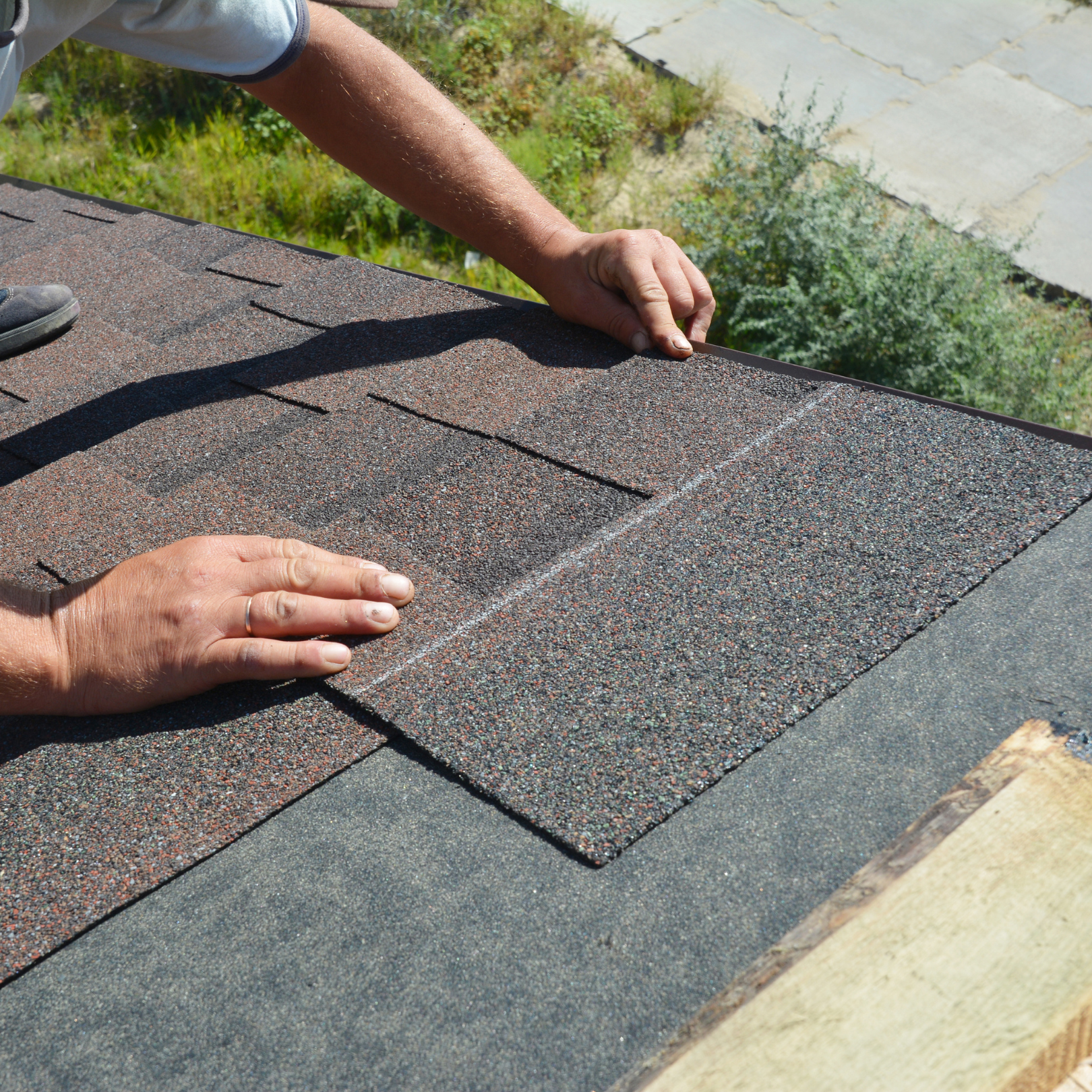
Close-up of asphalt roofing material
Not all roofing materials are installed at the same speed. That means the material you choose for the replacement also has a part to play:
Asphalt shingles: These are the quickest to install. They usually take 1–2 days.
Metal roofing: Requires precise fitting and fasteners, which takes 2–5 days.
Cedar shakes or slate: Installed piece by piece, so it can often take 3 days or longer.
Synthetic shingles: Durable but slower. Also installed one at a time, so expect at least 3 days here too.
So, if you’re using a material other than asphalt shingles, budget for a longer project.
6. Weather Conditions in the DMV
Weather is a big wild card, especially in the DMV. The DMV often experiences humid summers, sudden thunderstorms, snowy winters, and even nor’easters.
Rain: If it rains the day of your replacement, work will pause. Crews will tarp your roof to keep everything dry.
Extreme heat: Summer heat slows crews down since they need more breaks.
Cold snaps: In winter, snow will delay the project (we try REALLY hard to avoid this if at all possible).
Roofing is one of those jobs that’s heavily tied to the weather. So whether you like it or not, it's an important factor to consider.
7. Time of Year
The season at the time matters too when it comes to replacement time for your roof. Here's why:
Spring & Summer: Longer daylight hours mean more work gets done in a single day.
Fall: Another popular time for roof work, since the weather is mild.
Winter: Shorter days and freezing temps limit how much crews can do.
That’s why many DMV roofing companies book up quickly in spring and fall. The conditions are simply better.
8. Permits and Local Rules
In some parts of the DMV, getting local permits can also add time. Certain counties in Maryland and Northern Virginia require permits before work starts. If you live in a community with a homeowner’s association (HOA), you may also need approval before the crew can begin.
This doesn’t always affect the actual replacement timeline, but it can delay when the job gets started.
How to Prepare for Your Roof Replacement
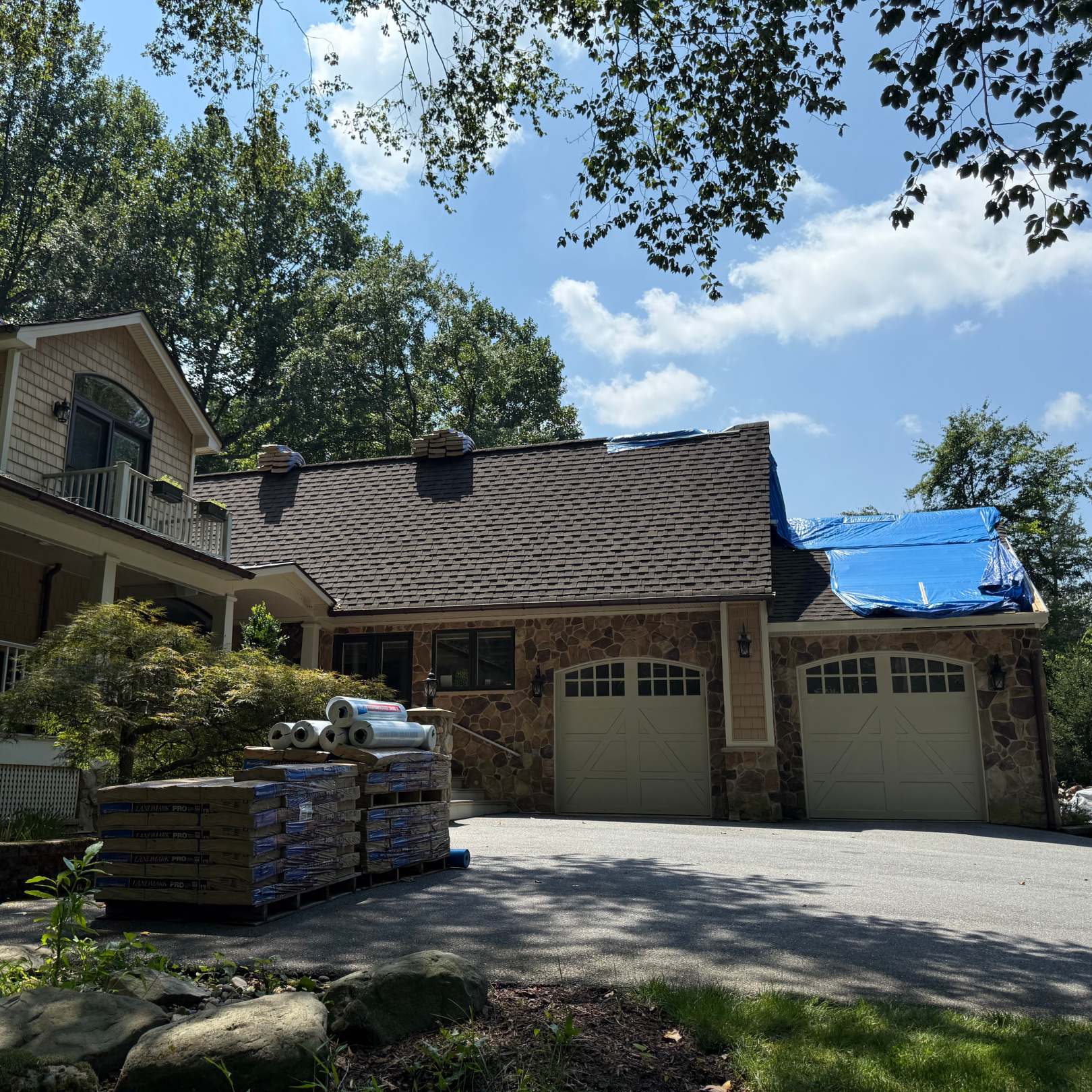
Clear driveway with roofing materials ready
A little prep beforehand goes a long way in making your roof replacement smoother and faster. Here's how you can get your home ready for the change:
Clear your driveway: Roofing trucks and dump trailers need to be close to your house. Clear your driveway so they have easy access.
Move vehicles: Remove your vehicles from around the house. Park them on the street so they don’t get blocked in.
Cover attic items: Dust and small debris may fall through gaps when work is on, so it's better to cover everything in your attic.
Take down wall décor: Vibrations can shake loose picture frames. Take them down before your roofer arrives.
Let neighbors know: There will be noise, so it’s only polite to give your neighbors a heads-up.
By setting things up ahead of time, you’ll help the crew stay on schedule.
Final Thoughts
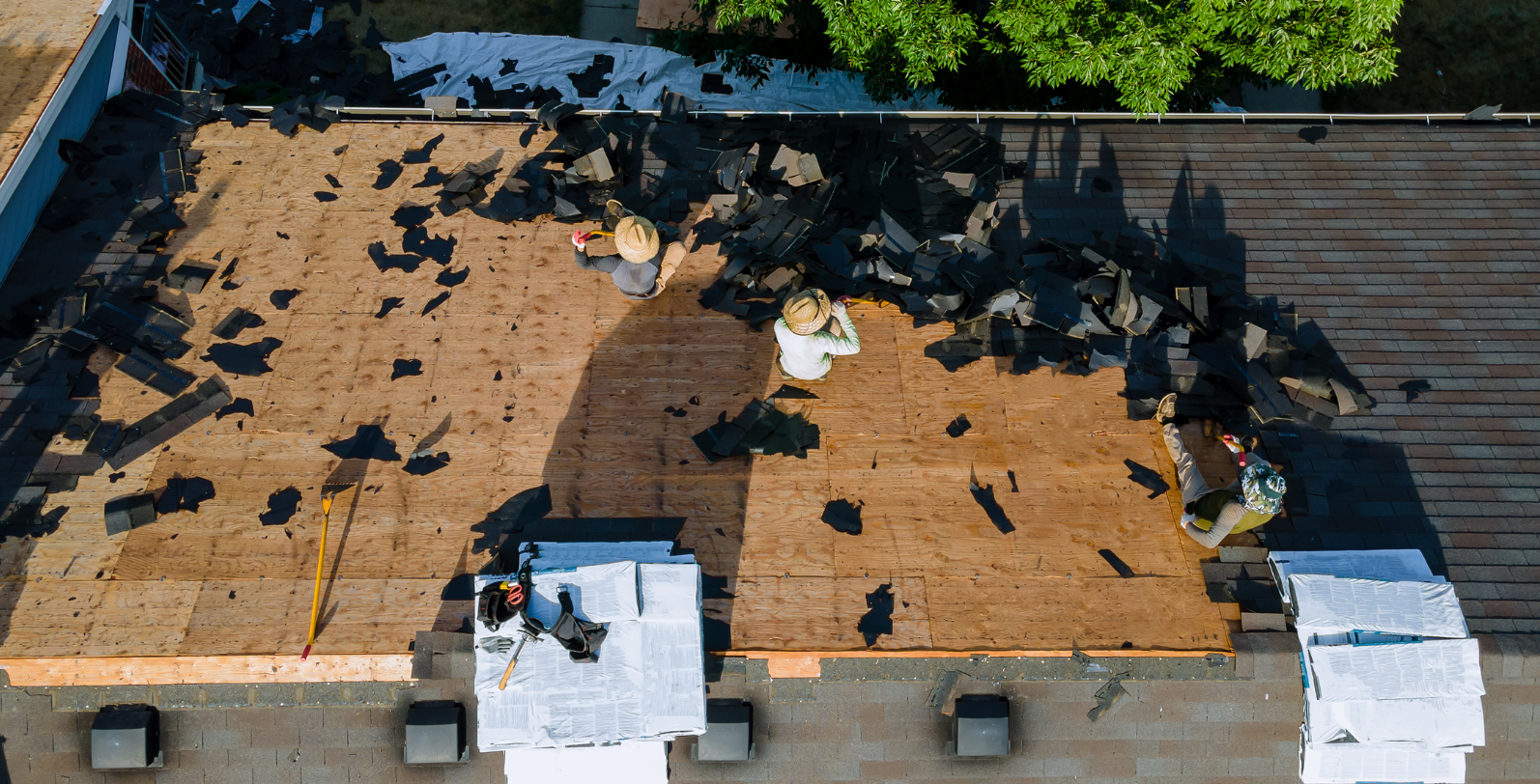
Team of licensed dmv roofers working on roof replacement
Replacing a roof in the DMV usually takes one to three days for most homeowners, but the actual time depends on your home’s size, design, material, and even the weather.
If you want the most accurate timeline, the best step is to schedule an inspection with a trusted local roofing contractor, like Da’ Roofers. They’ll evaluate your home, factor in accessibility and complexity, and give you a realistic idea of how long the project will take.
That way, you’ll know exactly what to expect and can plan ahead. Whether it’s moving your car, giving your neighbors a heads-up, or just bracing for a couple of days of noise, your roofer can tell you that.
FAQs
1. How long does it take to replace a roof on an average house?
The most popular roofing material in the US is asphalt shingles and most DMV homes with asphalt shingles take 1–2 days to be replaced. Larger or more complex roofs may take 3 days or more.
2. Can a roof be replaced in one day?
Yes. Many standard-size homes with simple layouts can have their roofs replaced in one day, weather permitting.
3. What’s the best time of year to replace a roof?
Spring, summer and fall are ideally the best season for a roof replacement in the DMV. They bring longer days and the longer days also helps crews work more efficiently.
4. How long does a roof replacement last once finished?
That depends on the material you used for the replacement and how well the roof is installed. With proper installation:
Asphalt shingles: 20–25 years
Metal: 40–70 years
Slate or tile: 75–100+ years
Synthetic: 40–50 years
5. Do I need a permit to replace my roof in the DMV?
In some counties, yes. Permits are sometimes required in Maryland and Northern Virginia. Some places in Washington D.C. may also require one depending on the type of work.
