

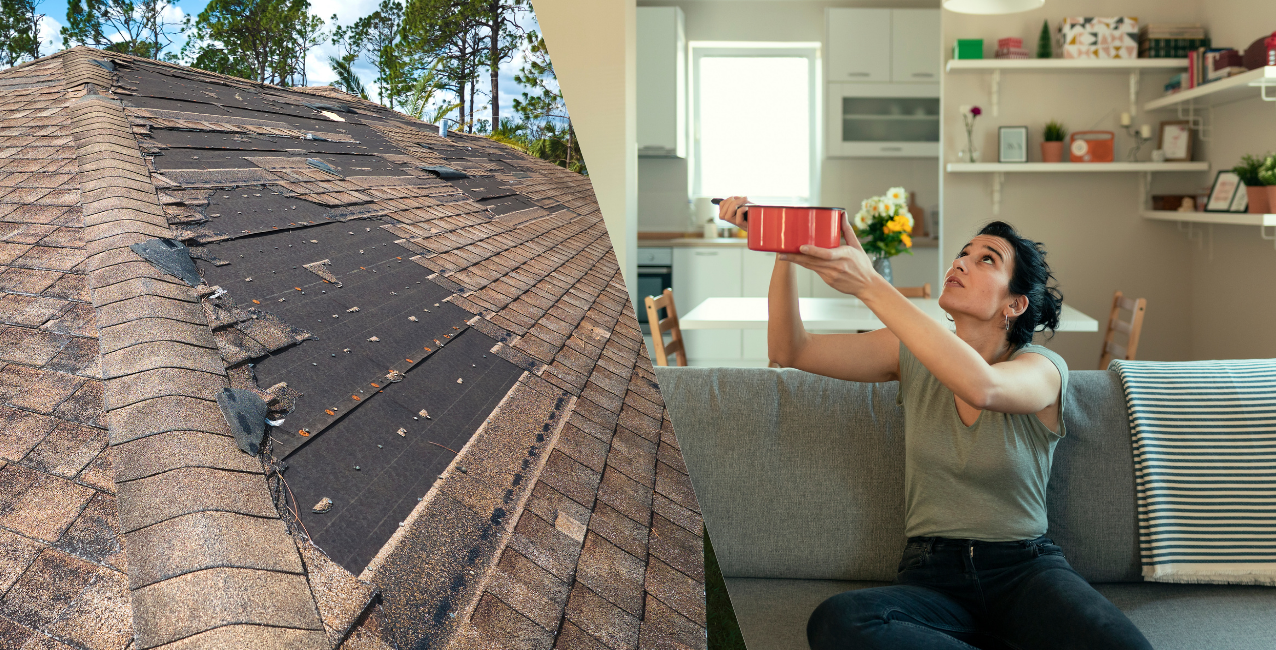
Missing shingles that may cause water leaks
If you’ve ever walked outside after a storm and spotted shingles in your yard, your heart probably skipped a beat. It’s natural to worry right away, and the first question most people ask themselves is: Will this cause a roof leak?
The short answer is; maybe not right away, but missing shingles can absolutely lead to leaks if you don’t act quickly. Let’s break down what really happens when shingles go missing, how it can affect your roof, and what you should do if it happens here in Maryland.
Do Missing Shingles Always Mean a Leak?
Not immediately (whew!). Shingles are your roof’s first line of defense to water penetration, but they’re not the only thing standing between you and the rain. Underneath the shingles is a protective layer called the underlayment, and beneath that is the wood decking. For water to get into your home, it has to make it past all of these layers.
Still, missing shingles leave your roof very exposed. If left alone, rainwater will eventually find its way through. Even a small gap can let water run down exposed nails, seep into the decking, and start rotting the wood.
So, while one missing shingle doesn’t guarantee an instant leak, it does put your roof at risk. Think of it like a small crack in your windshield; it may not break right away, but it will get worse if ignored.
Why Shingles Go Missing in the First Place
Most of the time, missing shingles are caused by:
Strong winds – Straight-line winds or gusty storms common in Maryland can lift shingles and tear them off.
Improper installation – If shingles weren’t nailed or sealed correctly, they’re more likely to come loose.
Aging shingles – Old shingles can become brittle and break off more easily.
Nail pops – Nails that lift up over time can also cause missing shingles and give water a path into your home.
No matter the cause, once shingles are missing, the roof is automatically more vulnerable.
Things To Do if Shingles Are Missing From Your Roof
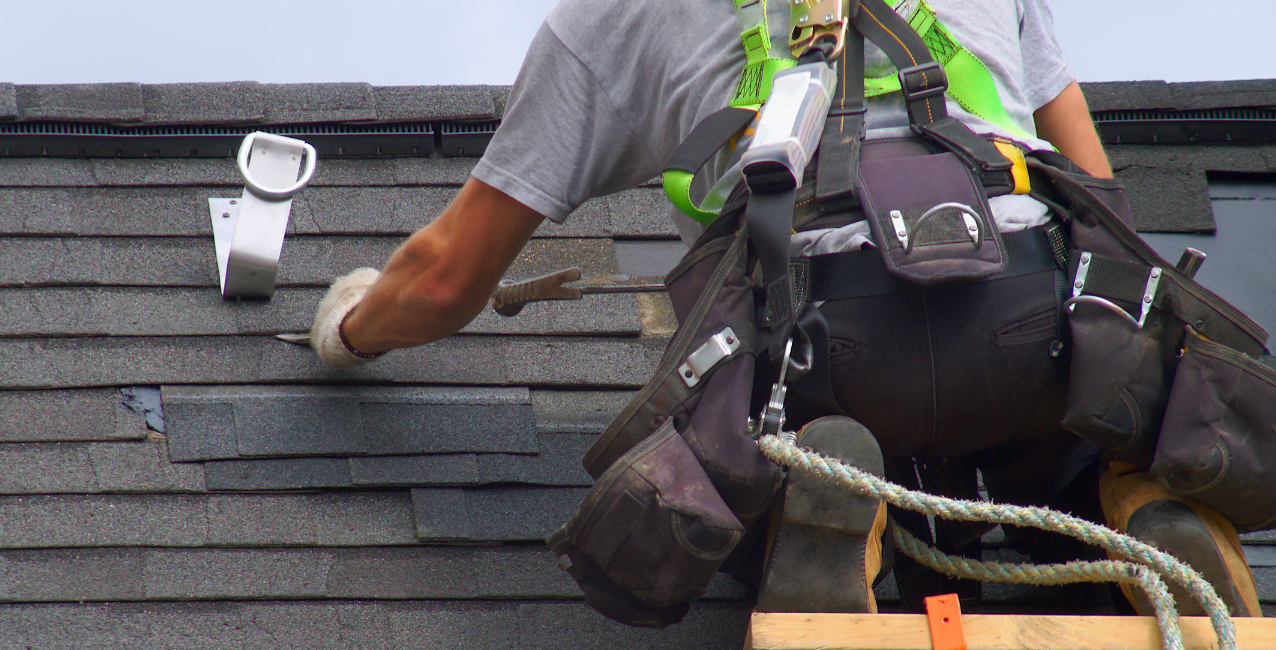
Licensed roofing contractor repairing shingle damage in Maryland
Don’t panic if you find missing shingles in your yard, but don’t ignore it either. You've still got a way out. Here are your main options:
1. Replace the Missing Shingles
If only a few shingles are gone, a local roofing contractor in Maryland, like Da’ Roofers, can often patch the area. Sometimes, this may even be covered under your workmanship warranty if the problem was installation-related.
2. File an Insurance Claim
If shingles blew off during high winds or a major storm, your homeowners insurance might cover the repairs. The insurance company may send an adjuster or ask you to schedule a storm damage roof inspection with a roofing contractor. Just keep in mind that the adjuster has the final say, but you can always ask your roofer to gather evidence first. You can read more about this process in our article on how insurance pays for roof replacements.
3. Consider a Roof Replacement
If the damage is widespread, or if your shingles are old and discontinued, replacing just a few may not be possible. In these cases, your insurance might cover a full replacement. However, it has to be covered by your policy.
What To Do Right Away If You Spot Missing Shingles
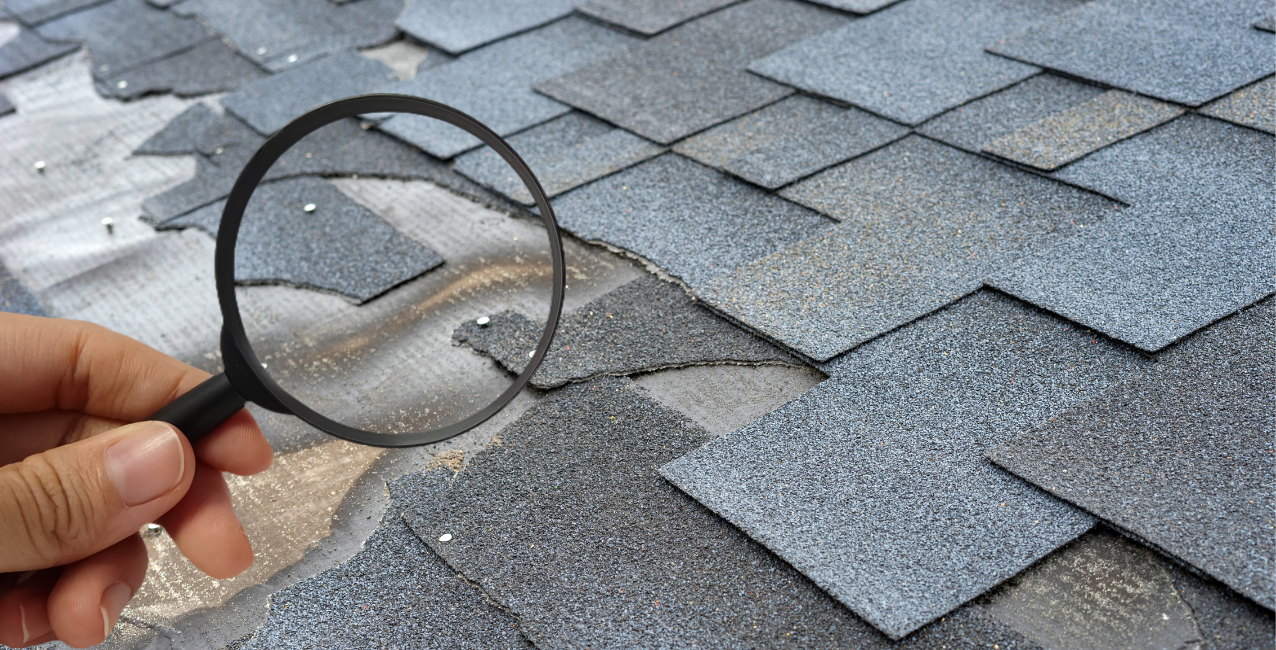
Damaged shingle roof requiring repair in Maryland
Here’s a quick checklist you can follow the moment you notice shingles are gone from your roof:
1. Stay safe – Don’t climb onto your roof. Missing shingles can make surfaces slippery and unstable.
2. Take photos – Snap clear pictures of the missing shingles from the ground. If pieces landed in your yard, take photos of those, too.
3. Check for immediate damage – Look inside your attic or ceilings for any signs of leaks, water stains, or damp spots.
4. Call your roofing contractor – Schedule an inspection as soon as possible. A local Maryland roofer will know what weather-related damage to look for.
5. Contact your insurance company – If a storm caused the problem, start the claim process right away. Your photos will come in handy here.
6. Save any shingles that fell – If shingles landed in your yard, keep them. Roofing contractors can sometimes tell if the damage was from age, improper installation, or storm impact.
This simple checklist can help you move quickly, protect your home, and avoid bigger repair bills later.
Why You Should Act Quickly
Maryland gets its fair share of heavy rain, windstorms, and even the occasional nor’easter. A roof left unprotected by missing shingles can go from a small repair to a major water damage problem faster than you’d expect.
Calling a trusted roofing contractor as soon as you notice the issue is always the safest move. They’ll inspect your roof, let you know the true extent of the damage, and guide you through either repair or the insurance process.
Final Words
Missing shingles don’t always mean an immediate roof leak, but they should never be ignored. Here in Maryland, with our unpredictable weather, a quick call to a roofing contractor can save you from bigger problems down the line.
Whether it’s a small repair, an insurance claim, or even a full replacement, acting fast keeps your home safe and dry. Don't wait till it gets worse. Act now!
FAQs
1. How serious is one missing shingle?
One missing shingle might not cause a leak right away, but it still leaves your roof exposed to weather elements. Over time, even a small gap can lead to water damage.
2. Can missing shingles cause water damage inside the house?
Yes. If water seeps past the underlayment and decking, it can enter your attic and living space, leading to stains, mold, or wood rot. That’s why you need to act quickly.
3. Should I replace shingles immediately if they blow off?
Yes. The best thing is to call your roofer to check out the roof and replace missing shingles. The longer you wait, the higher the risk of leaks. Call a local roofing contractor as soon as you notice missing shingles. They'll know what to do.
4. Will insurance cover missing shingles?
If wind or storm damage caused the problem, your homeowners insurance may cover it. However, the level of coverage depends on what policy you have (ACV or RCV). Also, improper installation usually isn’t covered.
5. How do I know if missing shingles will lead to a roof replacement?
If shingles are old, discontinued, or if there’s widespread damage, your roofer might conclude that repairs may not be enough. In that case, your insurance company may approve a full replacement.
