

How Does Recoverable Depreciation Work for Roof Damage Claims?

Recoverable depreciation calculation for roof damage Maryland
Filing a roof damage claim can sometimes feel like learning a new language. It can get pretty confusing. There's so much paperwork and “insurance terms” involved that it's normal not to understand the everything. One part that confuses a lot of homeowners is something called recoverable depreciation.
If you live in the DMV area, you know our weather can be rough on roofs. Heavy winds, hail, and storms all take a toll on your home. When your roof gets damaged by the weather and you file a claim, you’ll probably hear the term “recoverable depreciation.”
But what does it really mean? It's actually just the money you’ll get from your insurance company once the work is completed as agreed. Let’s break it down some more so you can understand better.
What Is Recoverable Depreciation?
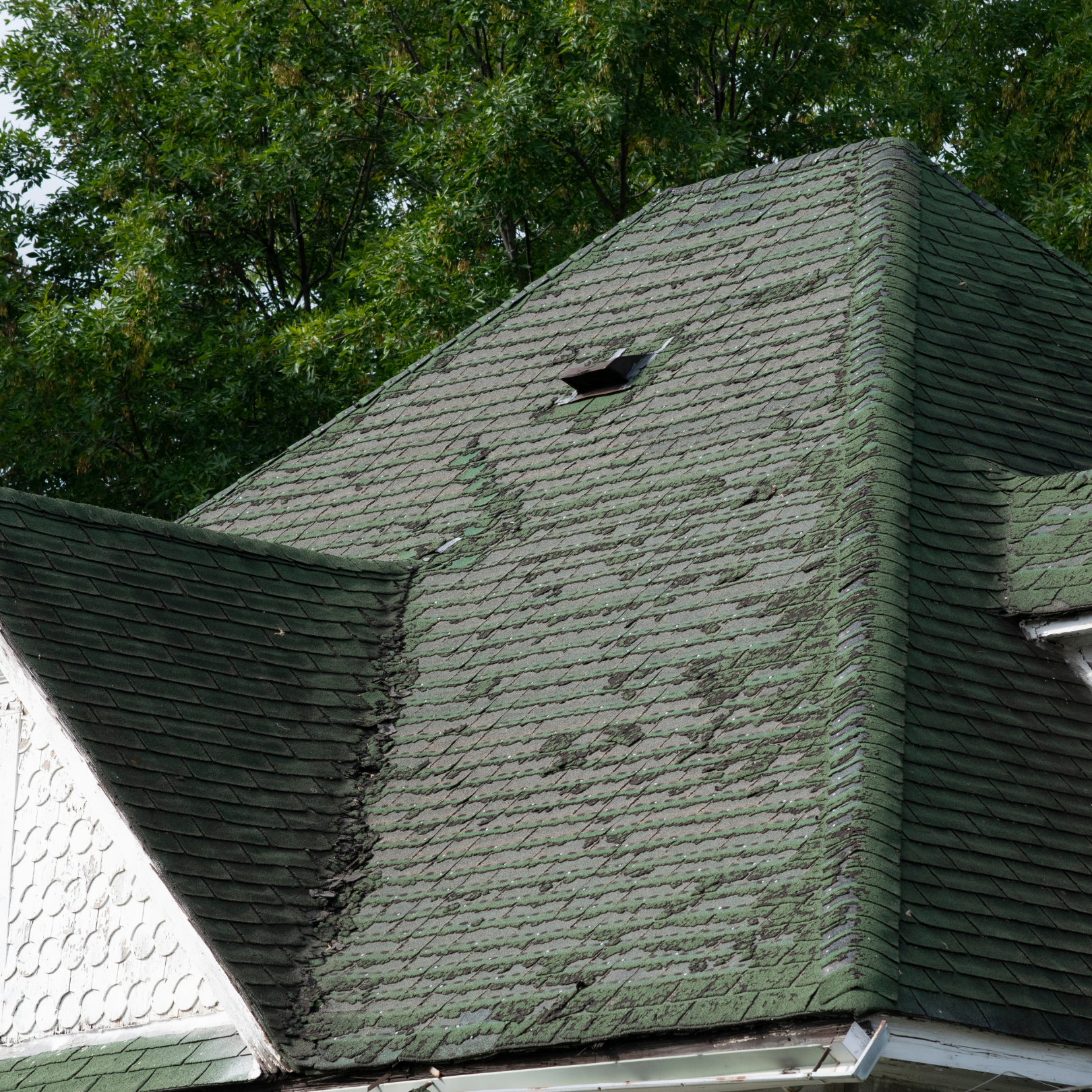
Aging roof shingles losing value
Every roof loses value as it ages. Think of it like a car; the moment you drive it off the lot, it starts losing value. Insurance companies call this “depreciation.” When you file a roof damage claim, the insurance company often considers two values:
Actual Cash Value (ACV): What your roof is worth today, considering its age and wear.
Replacement Cost Value (RCV): What it would cost to replace your roof with a brand-new one.
These values usually determine your payout. Recoverable depreciation is simply the difference between those two numbers (ACV and RCV). It’s the money the insurance company holds back until you prove the work is done. However there's a bit more to it than just that.
ACV vs. RCV Policies – Why They Matter
Whether you can recover that depreciation actually depends on the kind of insurance policy you have.
ACV Policy (Actual Cash Value): If you have an ACV policy, you only get paid for the current, depreciated value of your roof. That means you’ll get one check, and you’ll likely need to pay a bit more out of pocket to cover the cost of a full replacement. There is no recoverable depreciation.
RCV Policy (Replacement Cost Value): This is the policy you want. With an RCV, your insurance company pays for the full replacement of your roof. They’ll send you the first check for the ACV, then release the recoverable depreciation after the job is finished.
In short:
ACV = less coverage, so more out-of-pocket.
RCV = more coverage, but you need to finish the repairs to get all the money.
How Recoverable Depreciation Works in Real Life
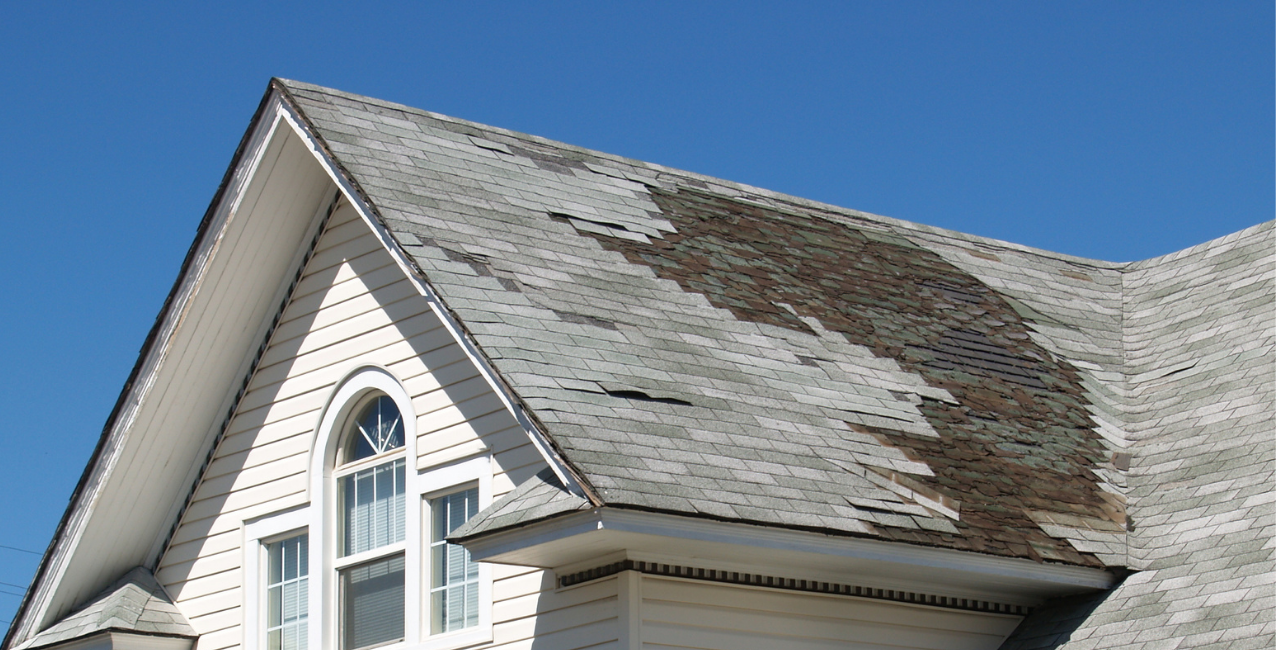
Worn-out roof with discoloration in Maryland
Here’s a simple step-by-step process of how this usually works in Maryland, so you can get a clear picture:
1. Damage Happens – A storm rolls through your area and shingles get blown off your roof (confirmed by your roofer as storm damage).
2. Claim Is Filed – You call your insurance company, and they send an adjuster to inspect the damage.
3. Initial Payment – After the claim is approved, the insurer sends you a check for the Actual Cash Value (ACV) of your roof, minus your deductible.
4. Repairs Begin – You hire a licensed local roofer who knows how to handle insurance paperwork to complete the job.
5. Proof of Completion – Once the work is done, either you or the roofer submit proof to the insurance company.
6. Final Payment – The insurer releases the recoverable depreciation check, usually covering the rest of the costs.
If you don’t complete the repairs, or you cut corners when doing so, you won’t get that second check. That could leave you paying thousands out of pocket.
Why You Need to Be Careful
Recoverable depreciation can be tricky. If your contractor doesn’t follow the claim exactly, or if you try to pocket the money without making some repairs, it can lead to trouble. At best, you’ll lose out on the second payment. At worst, you could end up in an insurance fraud situation.
That’s why it’s important to hire a reputable local roofer. Someone who knows Maryland insurance claims, understands the paperwork, and makes sure the work matches the claim estimate, like Da’ Roofers.
Tips for Maryland Homeowners Filing a Roof Claim

Filing a roof replacement insurance claim in Maryland
Here are some tips to help Maryland homeowners when filing for a roof claim:
Check your policy first: Find out if you have ACV or RCV coverage.
Keep all paperwork: Insurance companies will want proof of repairs.
Work with a local roofer: Out-of-state roofers might not know our local codes or insurance requirements.
Don’t delay repairs: Waiting too long could cause more damage and complicate your claim.
Ask questions: A good roofer will walk you through the process step by step.
Final Words
Recoverable depreciation can sound confusing, just like most insurance terms, but it really just comes down to one thing; the difference between the ACV and RCV of your roof. If you have an RCV policy, your insurance will cover the full cost of your roof replacement (minus your deductible), but only after you prove the work is done.
The key is hiring a trustworthy local roofer in Maryland who knows how to handle insurance claims, like Da’ Roofers. That way, you don’t miss out on the money you’re owed, and your home gets all the protection it needs.
FAQs
1. How do I get recoverable depreciation back from my insurance company?
It's simple. Once your roofer finishes the roof repairs or replacement, provide proof that the job has been completed according to the claim estimate, and your insurer will send the second check.
2. What’s the difference between ACV and RCV roof policies?
ACV only pays for your roof’s current value, not what you need for a full replacement today. RCV, on the other hand, covers the full replacement cost but pays in two parts. They pay the ACV first, then recoverable depreciation after the job is completed.
3. Do all insurance policies include recoverable depreciation?
No. Not all insurance policies include recoverable depreciation. Only RCV policies offer it. ACV policies do not.
4. Can I lose my recoverable depreciation if I don’t repair my roof?
Yes. If the repairs aren’t completed or don’t match the claim, the insurer won’t release the depreciation check. That means you'll have to cover the rest from your pocket.
5. How do roofing contractors help with recoverable depreciation claims?
Experienced local roofers work with insurance paperwork daily. They make sure repairs match the claim so you can get your full payout.
