

What Are Algae-Resistant Shingles and Are They Worth It?
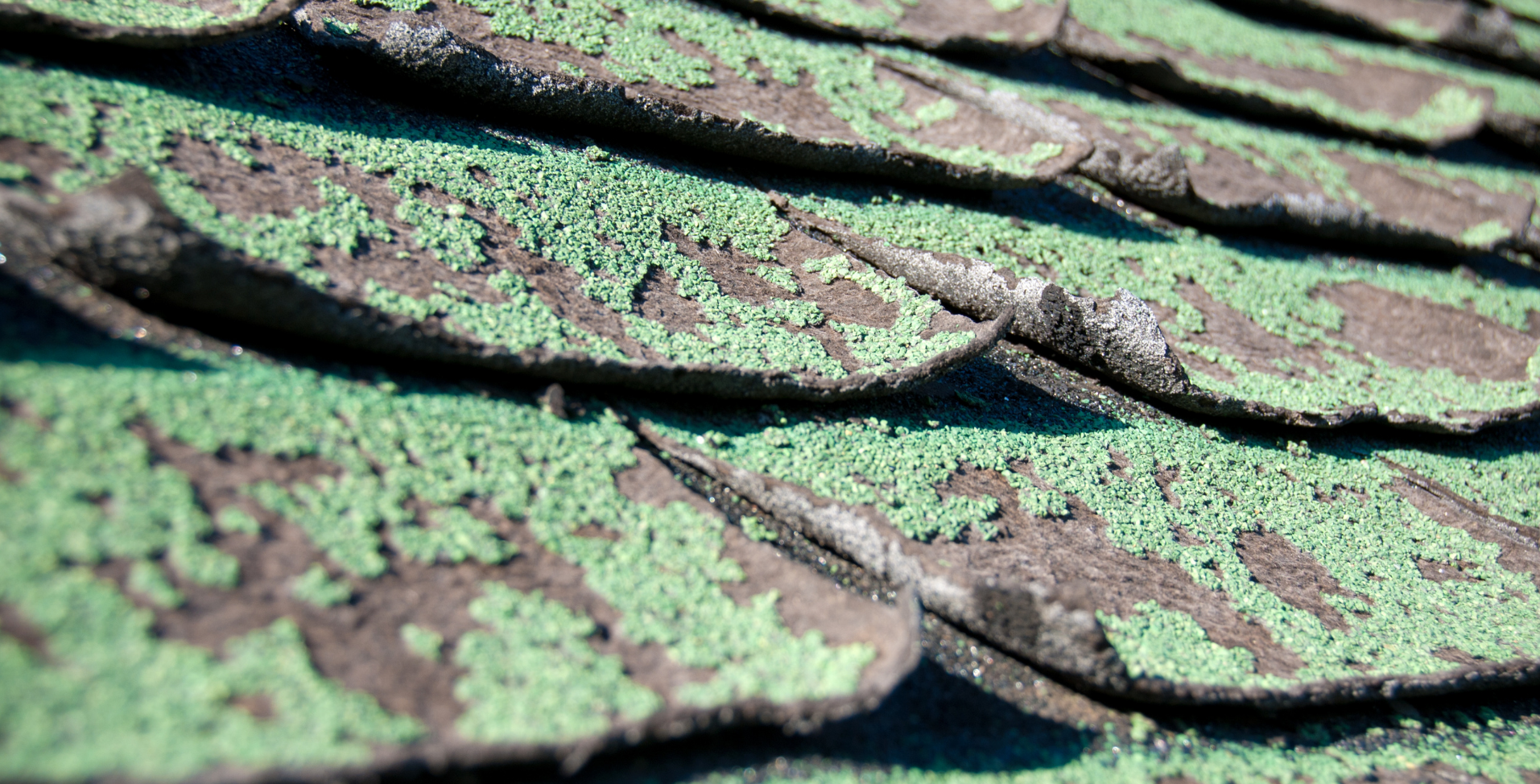
If you’ve ever pulled into your driveway and noticed dark streaks running down your roof, you’re not alone. It's an annoying thing for Maryland homeowners. Those marks are usually caused by algae, which feeds on the minerals in roofing shingles. Over time, the algae spreads, making the roof look old and dirty, even if it’s still in good condition.
Here in Maryland, the mix of humid summers and plenty of rain creates the perfect environment for algae growth. The good news? Roofing manufacturers have the perfect solution: algae-resistant shingles.
Algae-resistant shingles are just regular shingles made with special granules that fight algae growth. But are they really worth paying extra for, and how well do they hold up? Let’s break it down for you.
What Are Algae-Resistant Shingles?
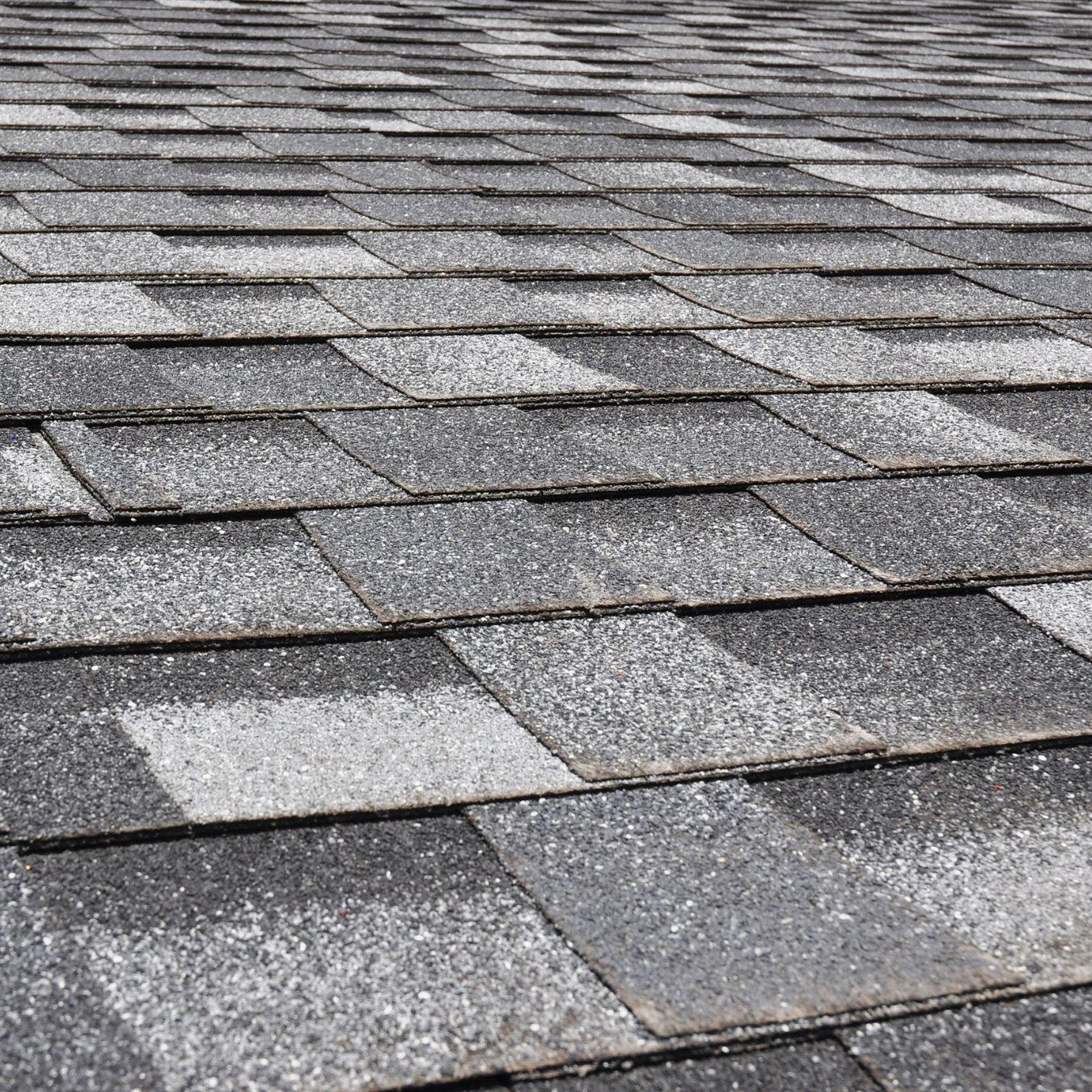
High-quality shingles designed to resist algae growth
Algae-resistant shingles look and perform just like regular asphalt shingles, but they’re made with special granules designed to fight algae growth.
Most are created with copper-infused granules, like those from CertainTeed that we use at Da’ Roofers. Copper naturally prevents algae from forming, and when it’s built into the shingle, it slowly releases over time. That way, the shingles repel the blue-green algae before they can grow and spread.
Some manufacturers also use zinc or a mix of both zinc and copper. You’ll often see an “AR” (algae-resistant) label on shingles made specifically for this purpose.
How Well Do Algae-Resistant Shingles Work?
The short answer: they work, but not forever. Most algae-resistant shingles stay streak-free for at least 10 years. Some brands even come with warranties that cover algae for up to 25 years (though the strongest coverage is in the first 10).
You can boost their effectiveness by pairing them with algae-resistant accessories, like ridge cap shingles that match the roof. So, while no shingle can guarantee a spotless roof for life, algae-resistant shingles definitely buy you more time before streaks show up.
Do Algae-Resistant Shingles Cost More?
Yes, but usually not by much. On average, algae-resistant shingles cost about 10 – 15% more than standard asphalt shingles. The exact price depends on the manufacturer and the local roofing market here in Maryland.
Considering how common algae streaks are in our humid climate, many Maryland homeowners see the slight price bump as a fair trade for a roof that stays cleaner longer.
Are Algae-Resistant Shingles Worth It?
That depends on what matters most to you:
If you care about curb appeal and don’t want dark streaks dragging down your home’s look, then yes, they’re worth it.
If you’re okay with cleaning your roof every few years, you might skip them and save money upfront.
Keep in mind that most shingles sold today already have some level of algae resistance. The big difference comes down to how long the protection lasts and whether the warranty backs it up.
Alternatives: Cleaning Your Roof
If algae-resistant shingles aren’t in your budget, cleaning your roof is another option. But you have to be careful:
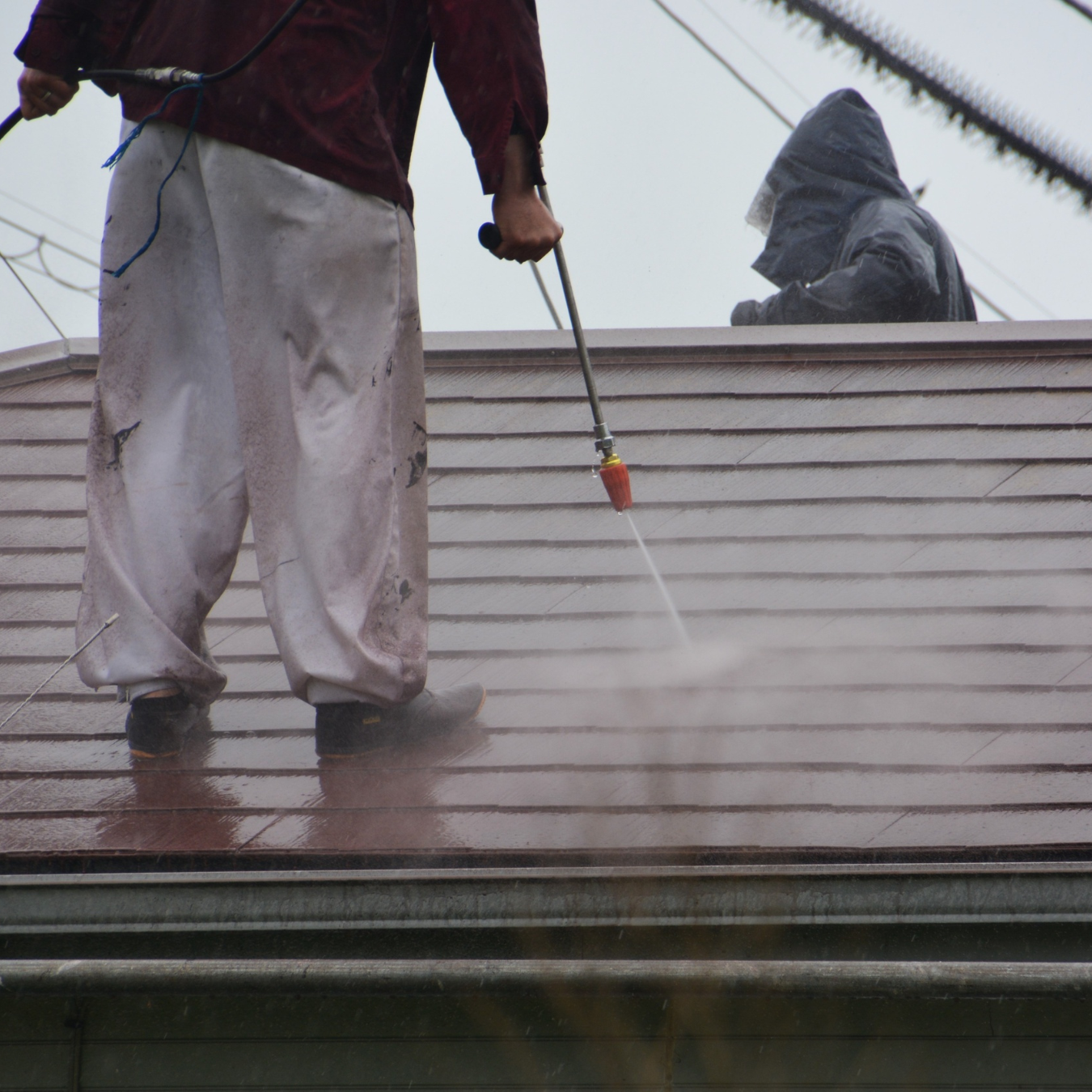
Cleaning roof shingles in Maryland
Always hire a professional roof cleaning service that uses safe methods, like soft washing.
Never use a pressure washer. The force can rip off granules and shorten your roof’s lifespan.
Cleaning usually costs less than replacing shingles but will need to be repeated every few years to keep your roof algae-free.
Final Thoughts
For homeowners in Maryland, algae-resistant shingles can be a smart investment. Our climate makes algae almost unavoidable, and while no shingle lasts forever without streaks, these products give you a much better chance of keeping your roof looking fresh.
They cost a little more, but for many homeowners, the peace of mind and the cleaner look make it worth it. Just be sure to compare warranties and talk with a local roofer who knows which shingles perform best in this region, like Da’ Roofers.
FAQs
1. Do algae-resistant shingles really work?
Yes, they slow down algae growth by using copper or zinc granules. While they're not exactly a permanent fix, they usually keep streaks away for at least 10 years.
2. How long do algae-resistant shingles last?
They last as long as regular asphalt shingles (about 20 – 25 years), but the algae resistance is usually strongest for the first 10 – 15 years.
3. Are algae-resistant shingles more expensive?
Yes, they can cost about 10 – 15% more than standard asphalt shingles. The added expense depends on the brand and local roofing market.
4. What is the difference between regular shingles and algae-resistant shingles?
Regular shingles don’t have extra protection, while algae-resistant shingles use copper or zinc granules to prevent black streaks of algae from growing on your roof (for a while).
5. How do you remove algae from a roof without damaging shingles?
Hire a professional who uses soft washing techniques. Avoid pressure washers, since they can damage shingles and shorten your roof’s lifespan.
