

Installing Shingles the Right Way: Technique and Timing
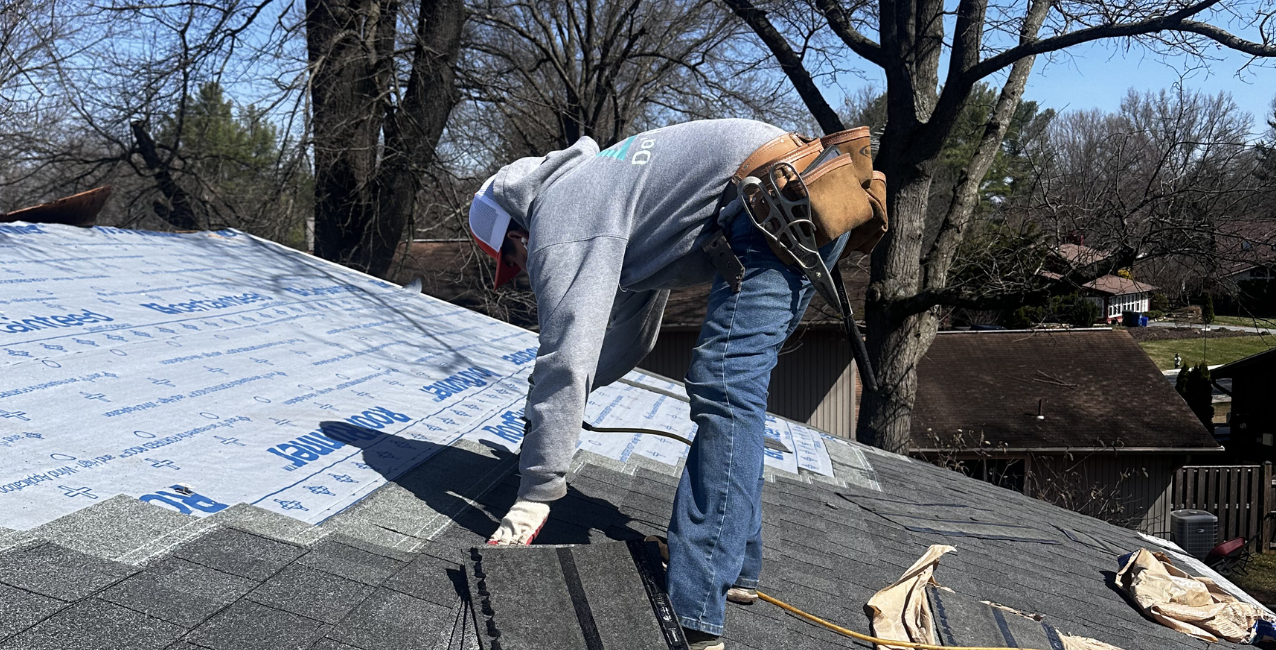
"Professional roofing contractor installing shingles using proper techniques in Maryland.
If you’ve ever watched a roof being installed, you know it’s not just about nailing down shingles. The process takes planning, skill, and good timing — especially when you’re working with CertainTeed shingles, one of the most trusted roofing brands in Maryland.
Not sure which shingle type is right for you first? See our breakdown of 3-tab vs. architectural vs. luxury shingles.
At Da’ Roofers, we treat shingle installation as both a science and a craft. Our process goes like this:
Getting the Roof Deck Ready
Laying Out Starter Shingles
Installing the Field Shingles
Cutting and Sealing the Valleys
Installing Ridge Caps and Finishing Touches
To us, every layer matters, every nail has a purpose, and every shingle is placed to protect your home for decades. Here’s how it’s done, and why technique and timing make all the difference.
Step 1: Getting the Roof Deck Ready
Before a single shingle goes down, we inspect and prep the roof deck. Any soft or damaged plywood gets replaced right away. Then we install underlayment, usually a synthetic felt with ice and water shield along eaves and valleys.
This creates a moisture barrier under the shingles, which is especially important for Maryland homes that deal with freeze-thaw cycles and summer storms.
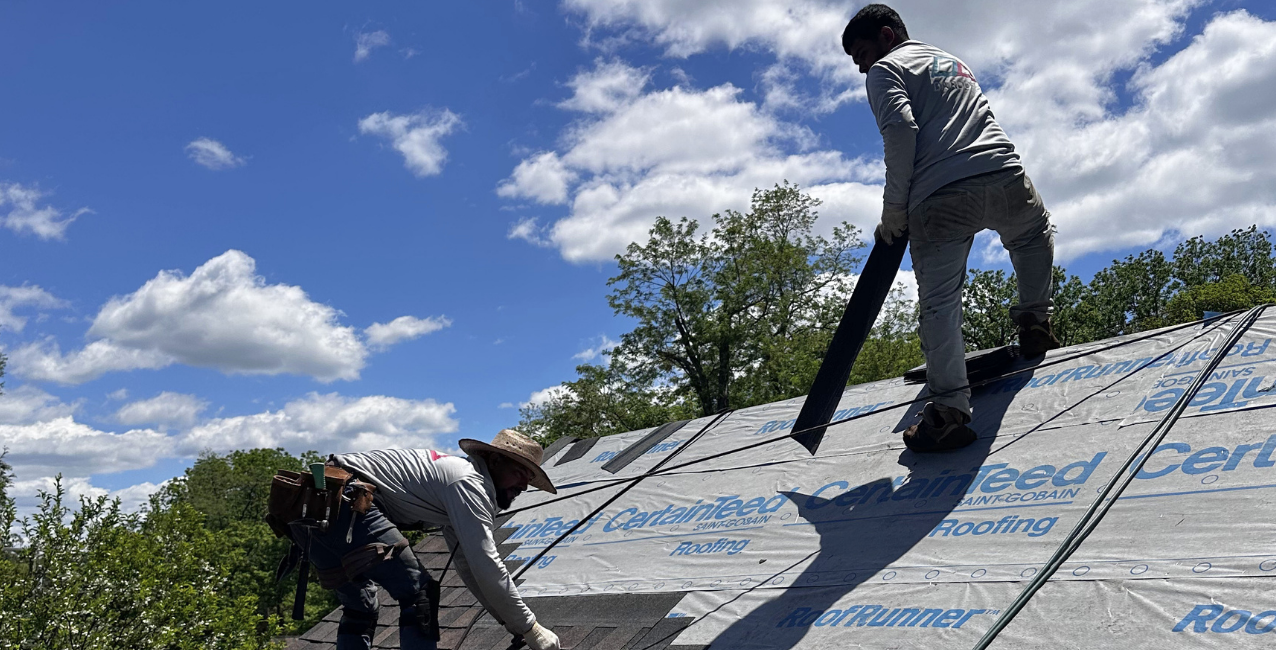
Maryland roofing contractor laying out starter shingles along the roof edge before installing asphalt shingles.
Step 2: Laying Out Starter Shingles
The first row sets the stage for the entire roof. We install CertainTeed starter shingles along the eaves and rakes to block wind and water from sneaking under the main shingles.
Lining these up perfectly ensures that every row above follows a straight, even pattern. No crooked lines or uneven reveals.
Step 3: Installing the Field Shingles
Now the real artistry begins.
We use a staggered pattern, offsetting each row to prevent water from finding a straight path through the roof. Each shingle is nailed with four to six nails, depending on the slope and wind exposure.
The nails go precisely in the manufacturer’s nailing zone — not too high (which can cause blow-offs) and not too low (which can cause leaks).
For CertainTeed shingles, Da’ Roofers follow their “Integrity Roof System,” meaning each layer (from underlayment to ridge cap) works together as one waterproof unit.
Step 4: Cutting and Sealing the Valleys
Valleys are where two roof planes meet, and they’re one of the trickiest spots to get right. We use either the woven or open-metal valley technique depending on the roof style.
Woven valley: Shingles overlap across the valley for a continuous, watertight seal.
Open-metal valley: A pre-bent metal flashing runs down the center, with shingles cut cleanly along each side.
Both are sealed and nailed per CertainTeed's specs to handle Maryland's heavy rains and snow melt.
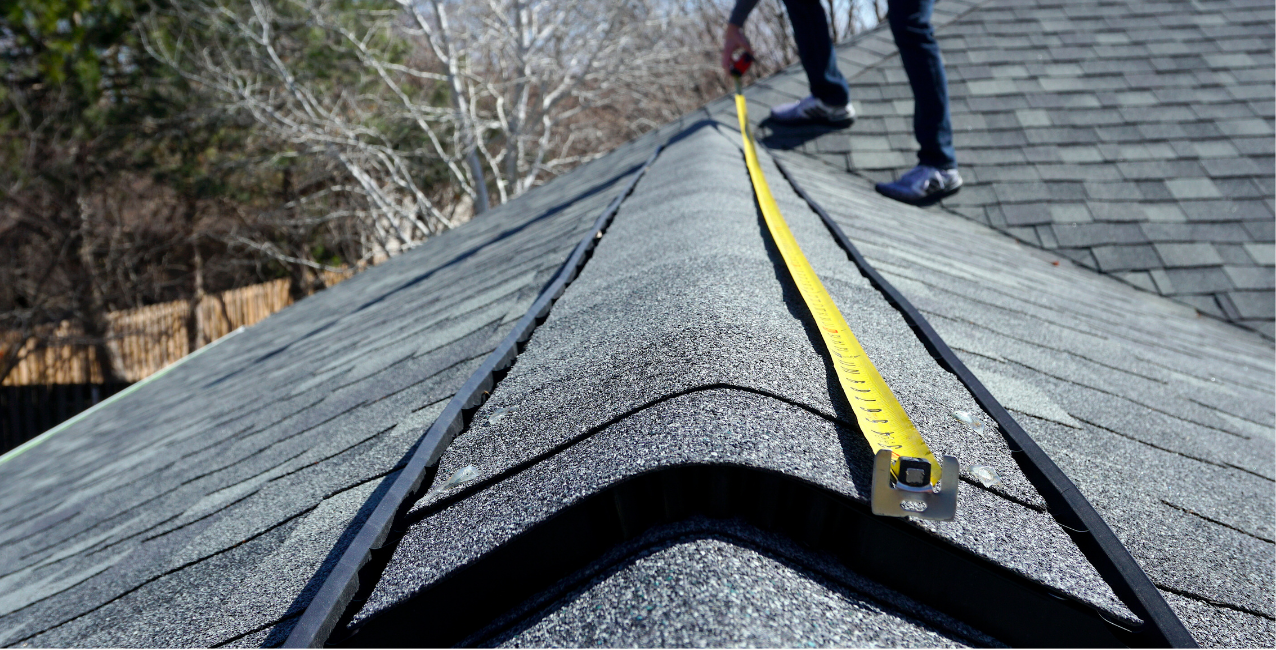
Professional Maryland roofing contractor securing ridge caps on a residential roof for weather protection.
Step 5: Installing Ridge Caps and Finishing Touches
Once the field shingles are complete, we install ridge cap shingles at the peaks. These are thicker and pre-cut to bend neatly over the roof’s ridges.
We also install matching ventilation systems, often ridge vents, to let your attic breathe and prevent heat buildup.
The last step? A full cleanup. Every nail, shingle scrap, and plastic wrap gets cleared out. When Da’ Roofers finish, your yard looks just as neat as your new roof.
Why Shingle Installation Technique Matters
Think of shingles as armor for your roof. When installed correctly, they overlap in a way that sheds water naturally. But if placed unevenly or nailed incorrectly, that armor weakens fast. Here’s what proper shingle installation ensures:
Leak prevention — Water runs off instead of seeping in.
Wind resistance — Shingles stay in place through storms.
Curb appeal — Straight lines and clean edges make your home look sharp.
Longer lifespan — Proper nailing and alignment prevent early wear.
At Da’ Roofers, our crews are trained on CertainTeed’s official installation guidelines, so every roof meets the brand’s standards (and often exceeds them).
Timing: Why It Matters Just as Much as Technique
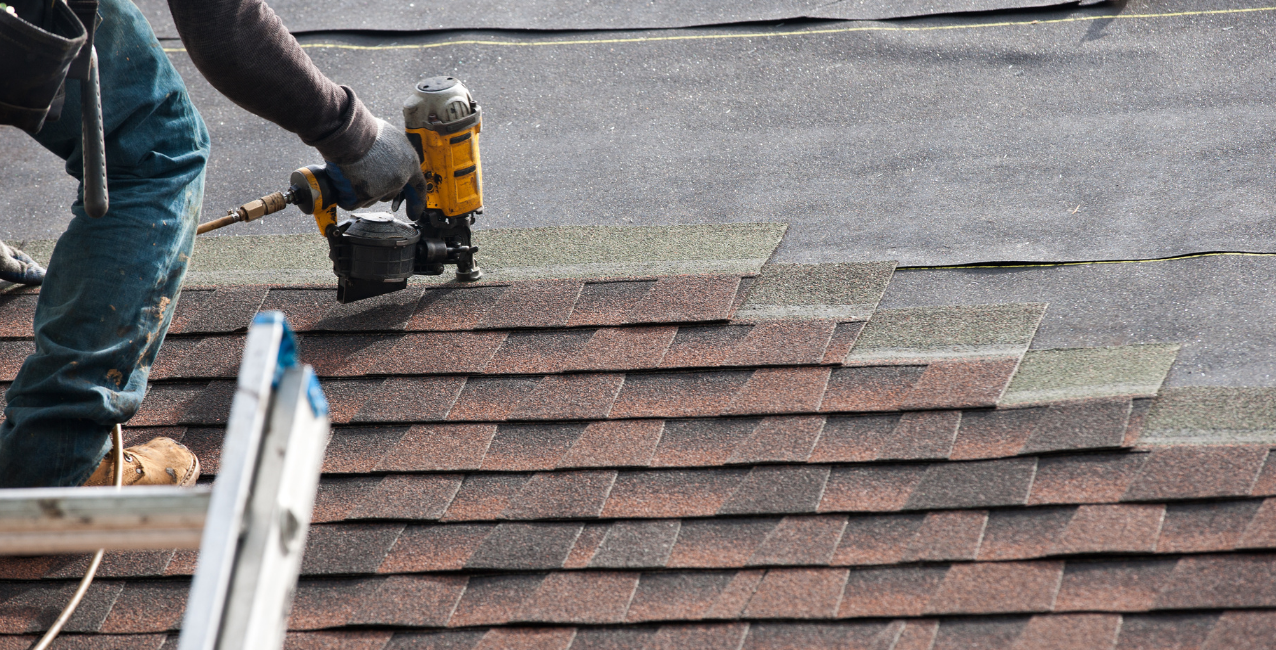
Roofing contractor carefully aligning asphalt shingles for a durable and weather-resistant roof installation.
Even the best technique can fall short if the timing’s off. Roofing depends heavily on weather and temperature. Here’s what we consider before starting:
Temperature — Shingles need mild weather (ideally between 40°F–85°F) to seal properly.
Dry days — Installing on a damp deck traps moisture, which can cause mold later.
Season — In Maryland, spring, summer, and fall are prime times for shingle installation.
Why Da’ Roofers Use CertainTeed Shingles
We choose CertainTeed over other products because they've proven to stand up to Maryland's unpredictable mix of rain, snow, and summer heat
Benefits include:
High wind resistance (up to 130 mph, depending on shingle type)
Wide color selection that complements local architectural styles
Long warranties, often up to 50 years with proper installation
Energy-efficient options, reducing heat absorption in summer
With CertainTeed and Da’ Roofers, homeowners get a roof that’s built to last, and looks great doing it.
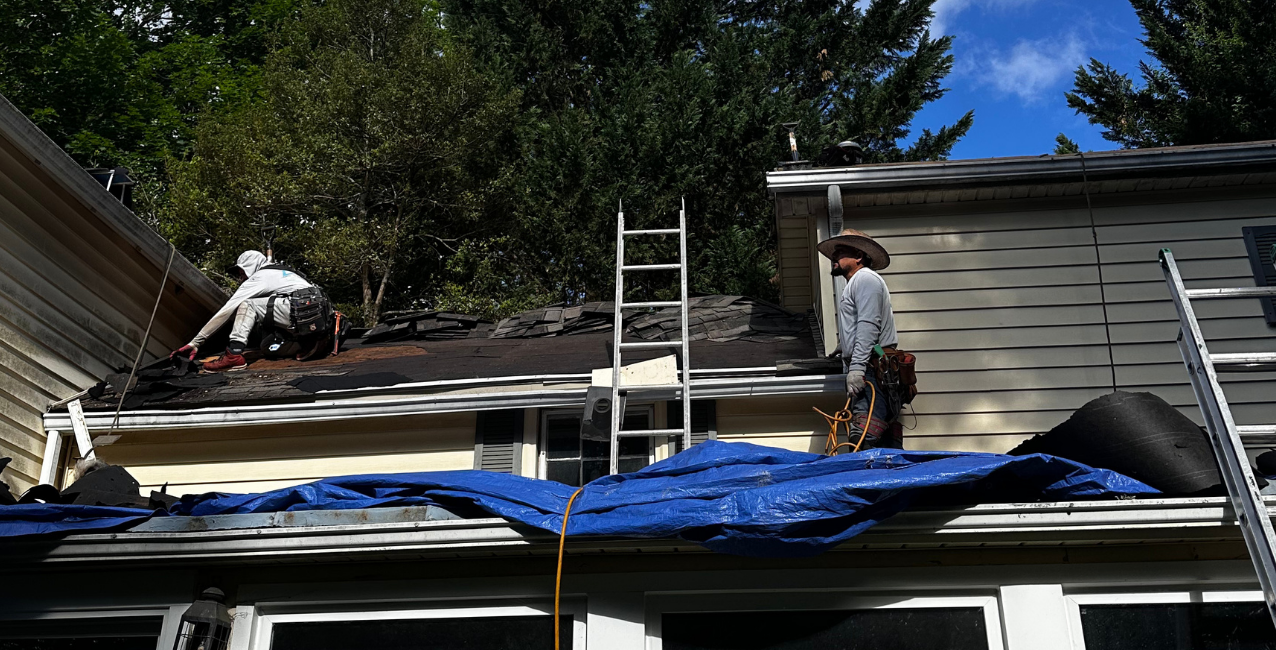
Skilled roofing professionals completing a residential roofing project in Maryland.
Quality You Can See from the Ground
When shingles are installed right, you don’t need to climb a ladder to notice. You can see the difference in the straight lines, even spacing, and tight seal around vents and edges.
Our goal is for your roof to look so clean and consistent that neighbors start asking, “Who did your roof?”
Final Thoughts
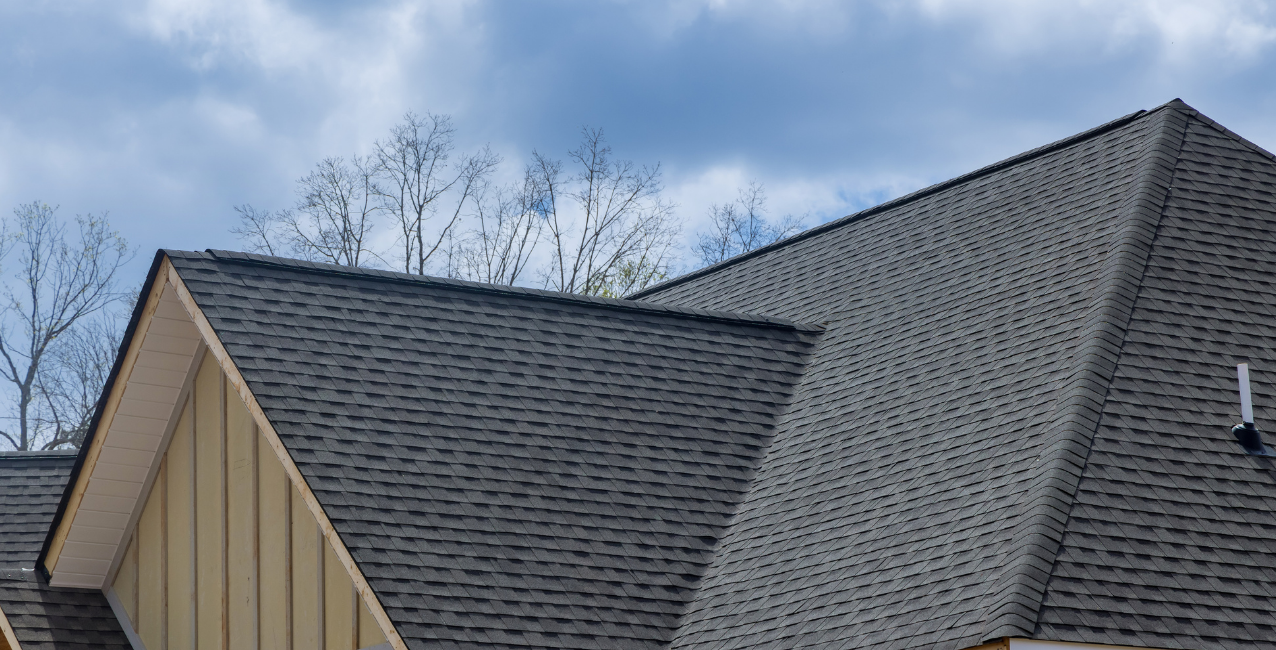
Finished Maryland residential asphalt shingle roof highlighting expert installation and durable materials.
Installing shingles the right way takes more than just tools — it takes timing, training, and the right materials. At Da’ Roofers, we've perfected our process to deliver roofs that last, protect, and enhance the value of Maryland homes.
Whether it’s a small repair or a full CertainTeed roof replacement, we treat every shingle like it matters, because it does.
FAQs
1. How long does shingle installation take?
Most homes in Maryland take one to two days, depending on size and weather conditions.
2. Can shingles be installed in cold weather?
Yes, but care is needed. Shingles may not seal as quickly in really cold temperatures, so roofers use hand-sealing techniques when needed.
3. How often should shingles be replaced?
CertainTeed asphalt shingles typically last 25–30 years, depending on the model and roof maintenance.
4. What happens if shingles are nailed too high or too low?
It can cause leaks or make the shingles lift in strong winds. That’s why we follow exact nail placement specs from CertainTeed.
5. Why hire a professional instead of DIY?
Professional installers like Da’ Roofers not only know the right technique and timing but also ensure your warranty stays valid.
