

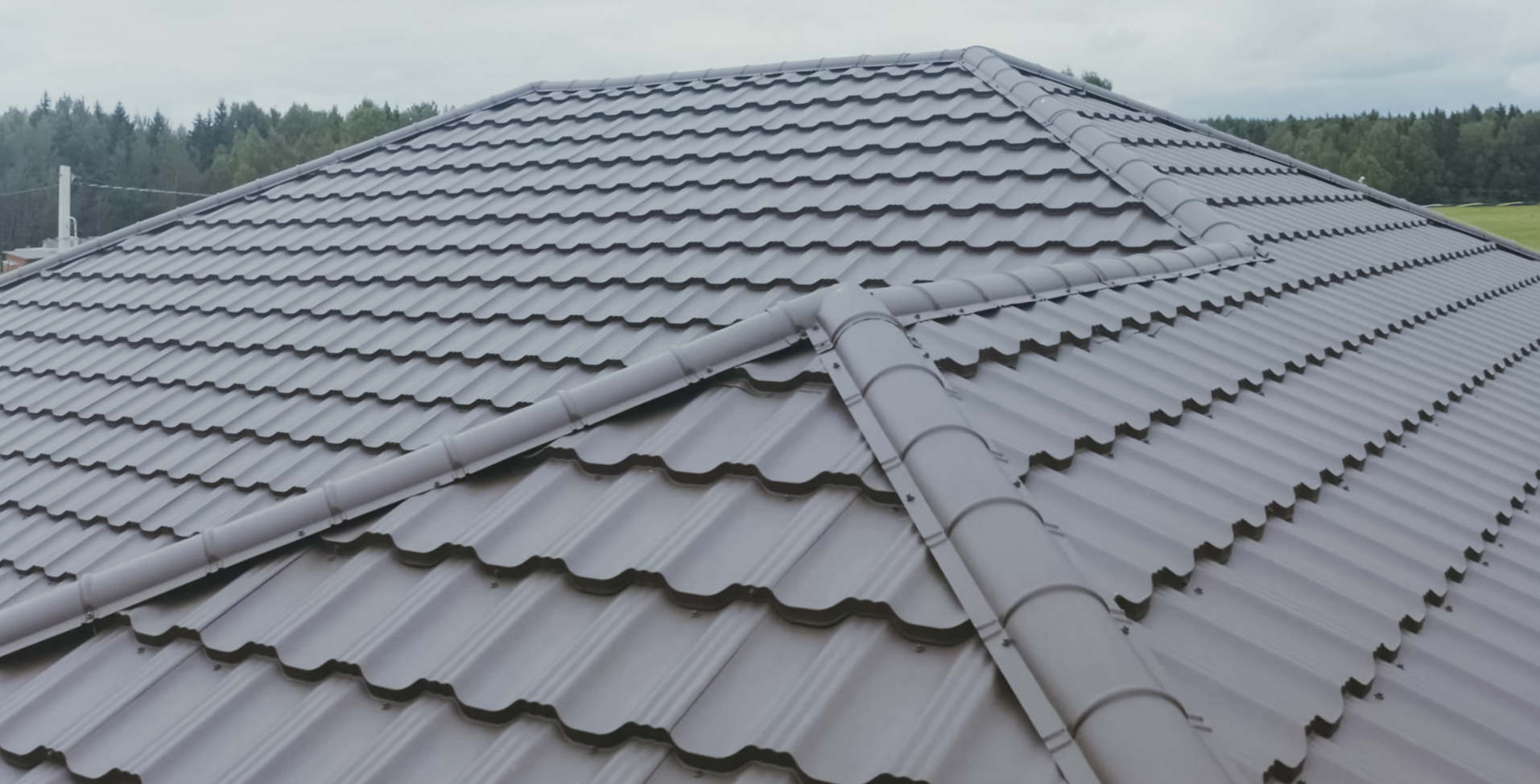
Close-up of a metal roof in Maryland
If you’ve been paying attention around Maryland, you’ve probably noticed more and more homes sporting sleek metal roofs. They look sharp, clean, and stand out from the typical shingles most of us grew up with.
But looks alone don’t tell the whole story. Metal roofs aren’t for everyone. They can be a smart, long-term investment for some families, while others may find the upfront cost or other factors outweigh the benefits.
The pros of metal roofs include:
Long-lasting and tough
Adds instant curb appeal
Energy efficiency
Variety of styles and metals
Low maintenance compared to shingles
The cons of metal roofs include:
High upfront cost
Noise during rain or storms
Can be dented by storms
Different reactions to climate
Specialized installation
So how do you know if a metal roof is right for your home? Let’s take a deeper dive into the pros and cons of metal roofs, so you can make a clear and confident decision.
The Pros of Metal Roofs
1. Long-Lasting and Tough
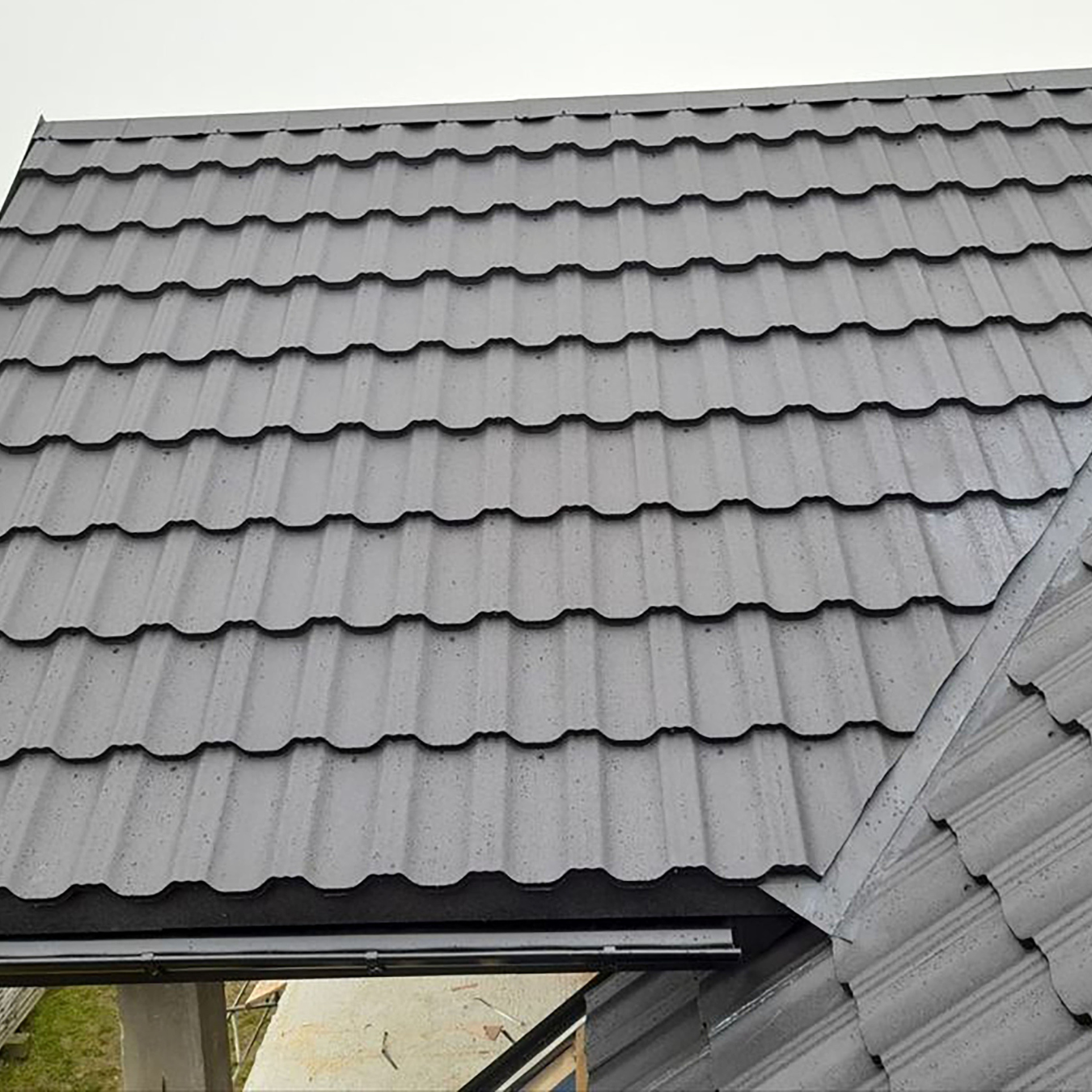
Long-lasting metal roofing design
When people choose metal roofing, lifespan is usually one of the biggest selling points. Unlike asphalt shingles that typically need replacement every 20 to 25 years, a metal roof can last 40 to 70 years depending on the type of metal.
Steel and aluminum: Common choices that often last 30 to 50 years.
Copper, zinc, or stainless steel: Premium options that can last 70 years or more with proper care.
This durability makes metal one of the best long-term investments for homeowners who plan to stay put for decades. Instead of worrying about another replacement down the line, you’ll have peace of mind knowing your roof is built to last.
2. Adds Instant Curb Appeal
A metal roof can completely change the look of your home. Whether you go with a shiny standing seam roof or a rich, patina-developing copper, your house will stand out in the neighborhood.
In many parts of Maryland, homes with metal roofing tend to look more modern, stylish, and high-end. Even better, metal panels come in a variety of colors and finishes. Some even mimic other materials like slate or wood while giving you all the benefits of metal.
If you’re looking to boost your home’s value and make it pop from the curb, metal is one of the best ways to do it.
3. Energy Efficiency
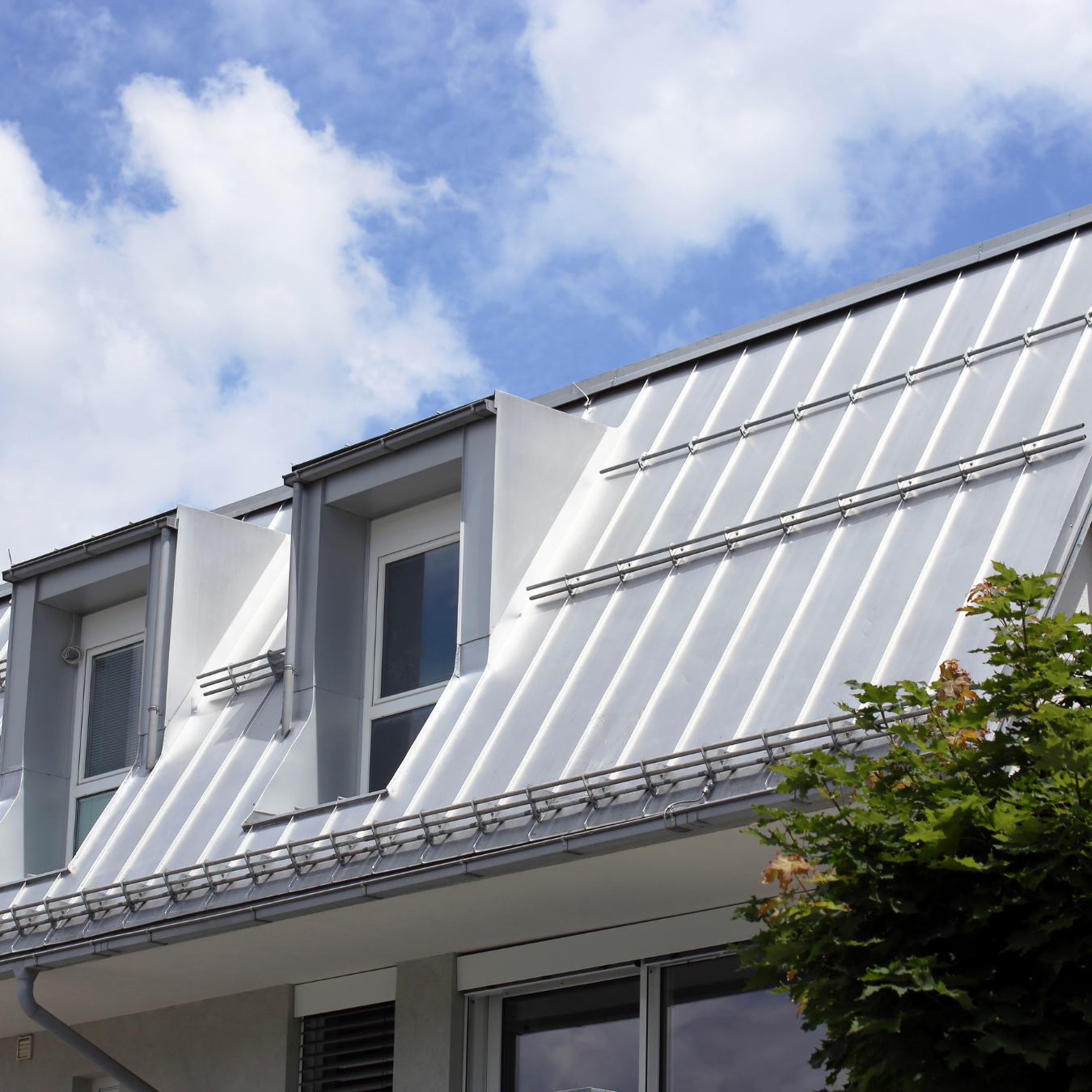
Energy-efficient metal roof reflecting sunlight
Summers in Maryland can get brutally hot and humid. Asphalt shingles often soak up heat and hold onto it, which makes your air conditioning work overtime. Metal roofing does the opposite — it reflects sunlight and helps your home stay cooler. That means:
Less strain on your HVAC system.
Lower energy bills, especially in summer.
A more comfortable living space upstairs or in the attic.
Some finishes even meet Energy Star standards, which means they’re specially designed to cut down on cooling costs. Over the course of a few summers, the savings add up.
4. Variety of Styles and Metals
One of the most underrated perks of metal roofing is the variety. Unlike shingles, which all look pretty similar from a distance, metal roofing comes in a wide range of materials, styles, and colors. Some options include:
Steel roofing (the most common, durable, and relatively affordable).
Aluminum roofing (lightweight and great for coastal or humid climates).
Copper roofing (premium choice with a natural patina over time).
Zinc roofing (long-lasting and low-maintenance).
Stainless steel roofing (resistant to corrosion and very tough).
You can choose a look that fits your home’s style and your budget. Some homeowners even mix materials; using metal accents on porches or dormers while sticking with shingles on the main roof.
5. Low Maintenance Compared to Shingles
With asphalt shingles, you often deal with cracked edges, missing granules, curling corners, or algae streaks. Metal roofing, on the other hand, is much more resilient.
Yes, it’s still smart to schedule regular inspections and clean off leaves or debris, but overall, maintenance on a metal roof is minimal. Most homeowners find that once their metal roof is installed correctly, they don’t have to worry about much beyond occasional checkups.
The Cons of Metal Roofs
Of course, no roofing material is perfect. Before you jump into a metal roof installation, you should also consider the downsides.
1. High Upfront Cost
Let’s be honest, price is usually the biggest sticking point for metal roofs. Metal roofs can cost two to three times more than asphalt shingles. For example:
Steel exposed fastener systems: About $5 to $10 per square foot.
Steel standing seam systems: Around $14 to $18 per square foot.
Premium metals like copper: Even higher, depending on the market value of that metal.
For a typical home in Maryland, this can mean spending tens of thousands of dollars more compared to shingles. While the investment pays off over time with durability and energy savings, the initial cost is still a hurdle for many families.
2. Noise During Rain or Storms

Kid covering ears due to stormy, loud rainfall
This is one of the most common questions homeowners ask: “Are metal roofs noisy?” The truth is yes — metal roofs can be noisier than shingles during heavy rain or hail. The sound of raindrops on metal is noticeable. However, most modern installations include solid wood decking and insulation, which help absorb the sound.
Even so, you’ll likely still hear more noise compared to shingles, especially during a strong thunderstorm.
3. Can be Dented by Storms
Metal is durable, but it’s not indestructible. Hail, falling branches, or other storm debris can dent softer metals like aluminum or copper. While dents don’t always affect performance, they can impact appearance.
In Maryland, where strong summer storms and the occasional nor’easter roll through, this is something to keep in mind. Steel tends to handle impact better than softer metals, but no roof is 100% storm-proof.
4. Different Reactions to Climate
Not all metals perform the same in every climate. In Maryland, we get a mix of hot, humid summers, heavy rain, snow, and wind. That means choosing the right metal is crucial.
Aluminum: Great for moisture and corrosion resistance but more prone to dents.
Steel: Strong and reliable but needs protective coatings to avoid rust.
Copper: Handles almost any climate well but costs much more.
Before committing, it’s smart to talk with a local roofing contractor who understands how these materials perform in local conditions, like Da’ Roofers.
5. Specialized Installation
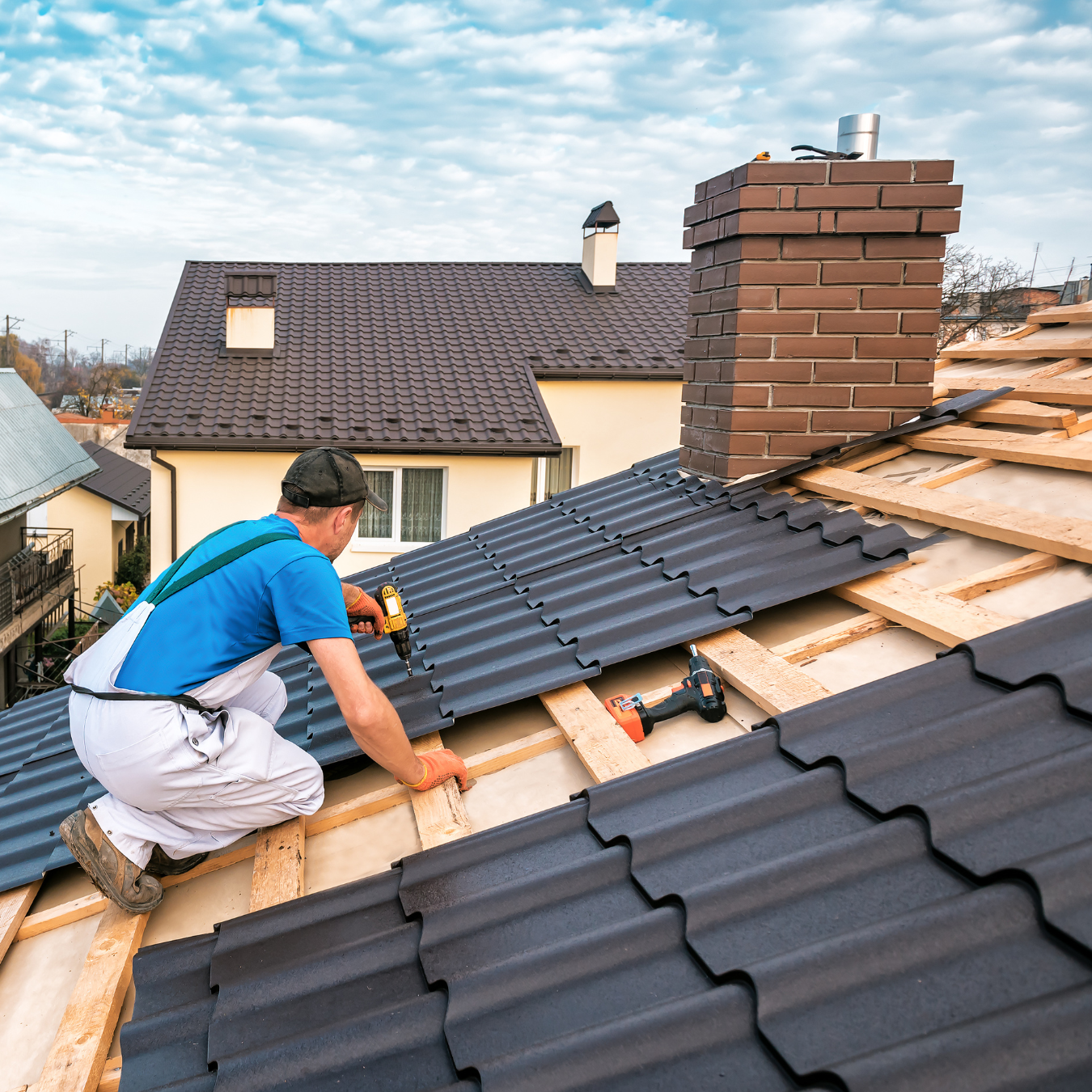
Specialized metal roof installation
Metal roofing requires skill. Not every roofing company knows how to install it correctly. A poor installation can lead to leaks, loose panels, or reduced lifespan.
Because of the expertise involved, labor costs are higher compared to asphalt shingle installations. That’s why it’s important to choose a qualified Maryland roofing company with proven experience in metal roofing.
Conclusion: Is a Metal Roof Worth It?
So, after weighing the pros and cons, is a metal roof the right move for your Maryland home? Here’s the bottom line:
If you’re planning to stay in your home long-term, want a roof that stands out, and don’t mind the upfront investment, a metal roof is a solid choice. You’ll get decades of durability, lower energy bills, and a home that looks fantastic from the street.
If budget is your top concern, or if you don’t plan on staying in your home for more than 10 to 15 years, you might want to stick with asphalt shingles. They’re more affordable, easier to install, and still offer decent protection.
At the end of the day, it’s about what works best for you and your family. A local roofing professional in Maryland can give you a detailed estimate and help you compare options side by side. That way, you’ll know you’re making the right call for your home.
FAQs
1. How long does a metal roof last compared to shingles?
Most asphalt shingle roofs last 20 – 25 years, while a properly installed metal roof can last 40 – 70 years depending on the type of metal.
2. Are metal roofs noisy when it rains?
Yes, they can be louder than shingles, but solid decking and insulation can reduce the sound significantly. However, you'll probably still hear it when a storm rolls in.
3. Do metal roofs rust over time?
It depends on the type of metal roof. Steel roofs can rust if not properly coated, but aluminum, zinc, and copper are naturally resistant to corrosion.
4. Is a metal roof more expensive than shingles?
Yes, upfront costs for metal roofs are much higher. But the longer lifespan, energy savings, and lower maintenance can balance out the investment over time.
5. Can a metal roof handle heavy snow?
Absolutely. Metal roofs actually perform very well in snowy climates because snow slides off easily, preventing buildup and reducing strain on your roof.
