

Pros and Cons of Slate Roofs in Maryland
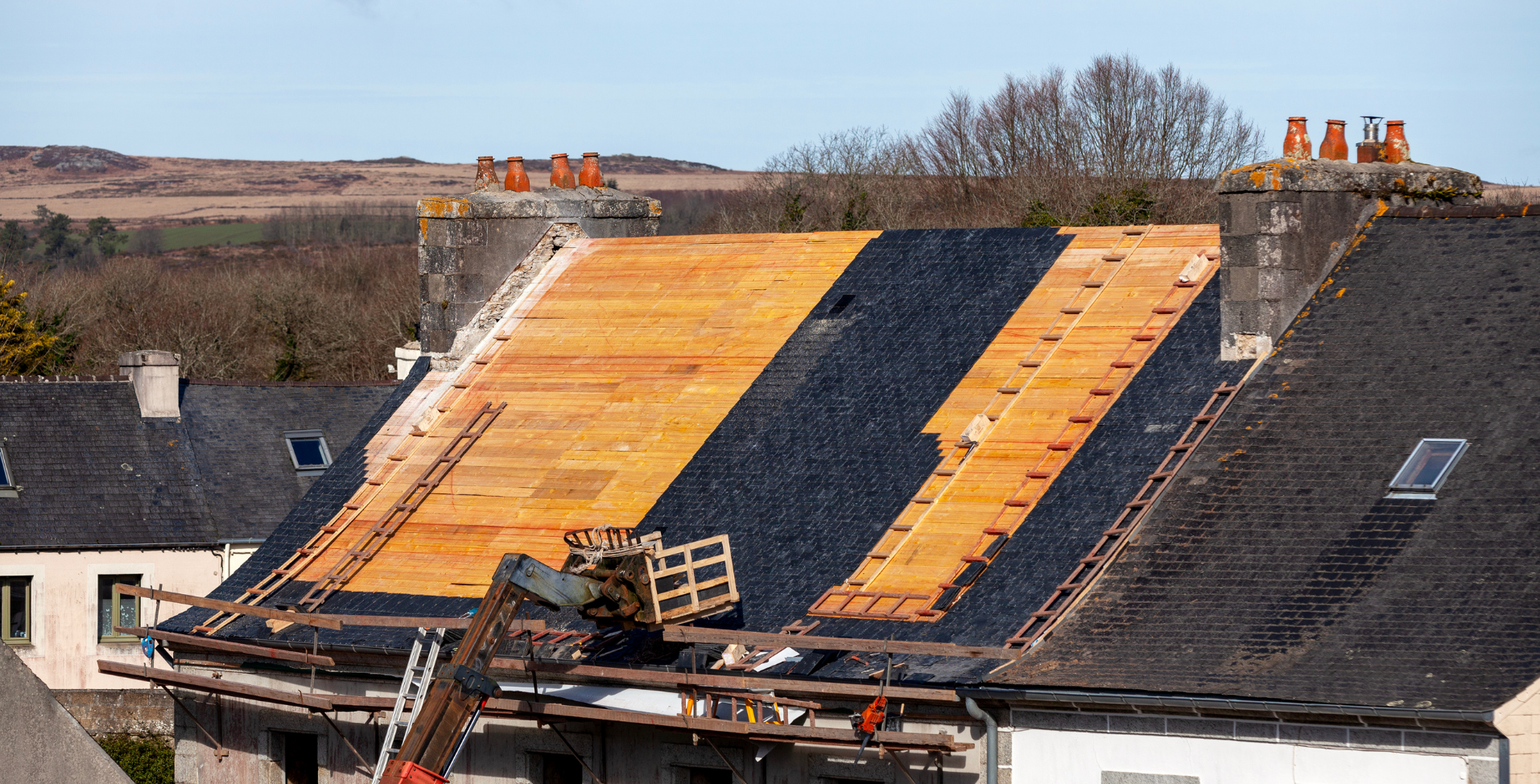
Slate roof on a residential home in Maryland
If you’re exploring new roof options for your home in Maryland, you’ve probably heard of slate roofing. Or perhaps you have a slate roof that needs replacement. Slate is one of the oldest and most premium roofing choices around, known for its beauty and incredible lifespan. But it also comes with its fair share of challenges, and it’s not right for every homeowner.
The truth is, slate roofing is in a league of its own. It looks different, it lasts longer, and it costs more than most other roof types. But before you decide if slate is the best fit for your home, you’ll want to weigh the good and the bad.
The pros of slate roofs include:
Incredible durability
Long lifespan
Great curb appeal
Low maintenance
The cons of slate roofs include:
Fragile when handling
Complicated installation
Heavy
High cost
Before we break down the pros and cons of slate roofs let's find out what exactly a slate roof is.
What Exactly Is a Slate Roof?
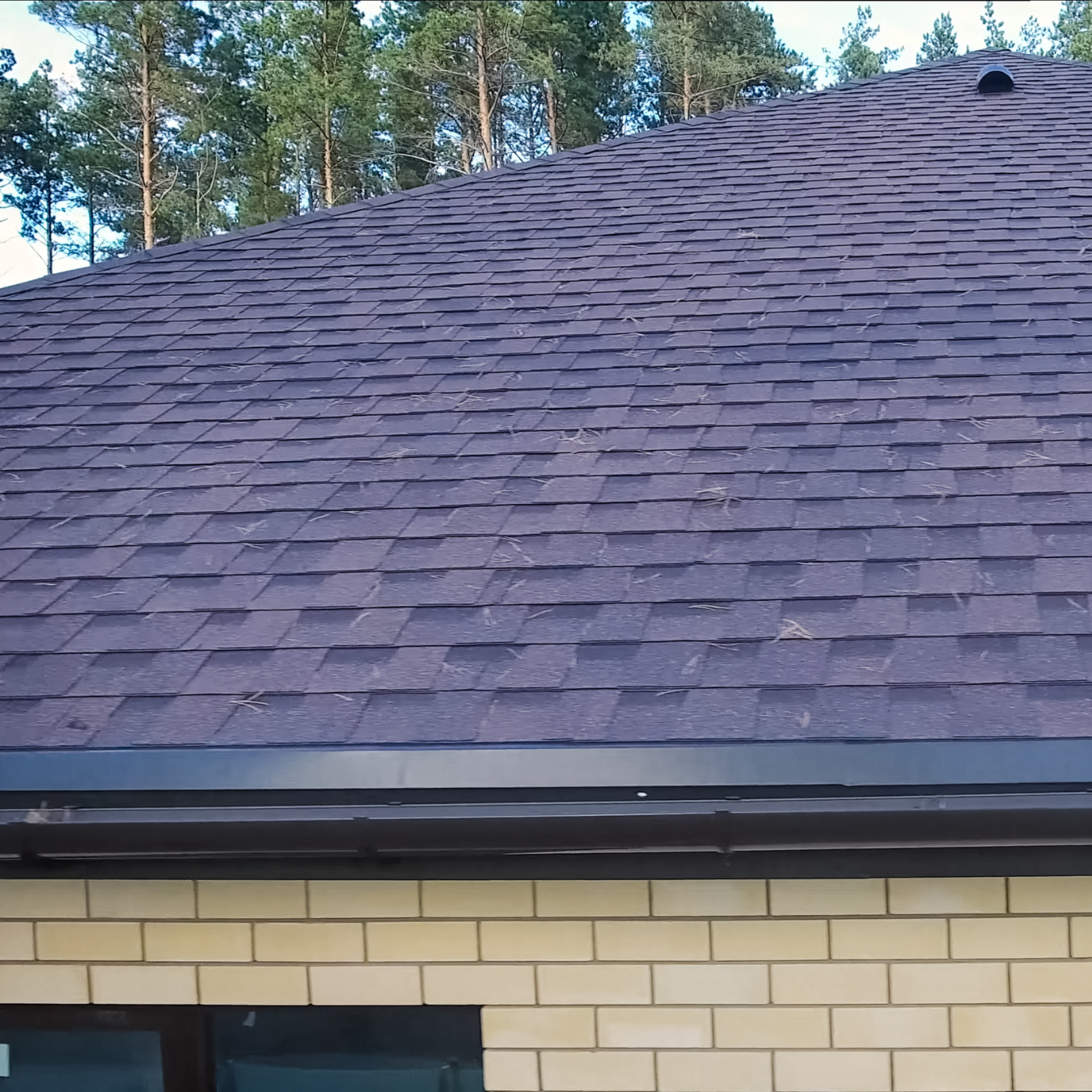
Close-up of slate roof tiles
A slate roof is built from natural stone tiles, which are mined from quarries, cut into flat pieces, and installed one by one. Slate is not a manufactured product — it’s natural stone that has been used for centuries on castles, churches, and historic homes.
You’ve probably seen slate roofs on old buildings and estates in Maryland. The look is unmistakable: elegant, refined, and timeless.
Because slate is natural stone, it’s usually heavy and requires special handling. Unlike asphalt shingles that come in bundles or metal roofing that comes in panels, each slate tile is installed individually. This makes the installation slower and more specialized, but it’s also why the roof lasts so long. Now that we've covered what slate roofs are, let's get into the pros and cons.
The Pros of Slate Roofs
So why do some Maryland homeowners still go for slate despite the higher price tag? Let’s take a closer look at the advantages.
1. Unmatched Durability Against Weather Elements
When it comes to toughness, slate is one of the best materials you can put on your house. They're especially efficient in resisting weather elements.
Storm resistance: In Maryland, we get our fair share of heavy rains, nor’easters, and even the occasional hurricane. Slate tiles are dense and heavy, making them resistant to strong winds.
Hail and impact protection: Slate can take more of a beating from hail than asphalt shingles. While no roof is indestructible, slate roofs tend to suffer less damage in hailstorms.
Fire resistance: Unlike wood or asphalt, slate is fireproof, adding another layer of protection to your home.
For homeowners in areas with lots of mature trees (think Maryland suburbs), it’s worth noting that falling branches can still break slate tiles. But overall, slate is one of the most weather-resistant roofing materials available.
2. Lifespan That is on a Different Level
One of the biggest selling points of slate is how long it lasts. A well-installed slate roof can last 75 to 100 years, sometimes even longer. In fact, some homeowners like to say; “If you get a slate roof, your kids won’t have to replace it.”
Of course, this kind of longevity depends on proper installation, routine inspections, and avoidance of unnecessary foot traffic on the tiles. But when taken care of correctly, slate is one of the few roof types you’ll probably never have to replace in your lifetime.
3. Stunning Curb Appeal
Let’s be honest, part of the reason many homeowners choose slate roofs is for its looks. Slate has a natural elegance that makes homes stand out. It comes in different shades, from deep gray to green, purple, and even mixed tones.
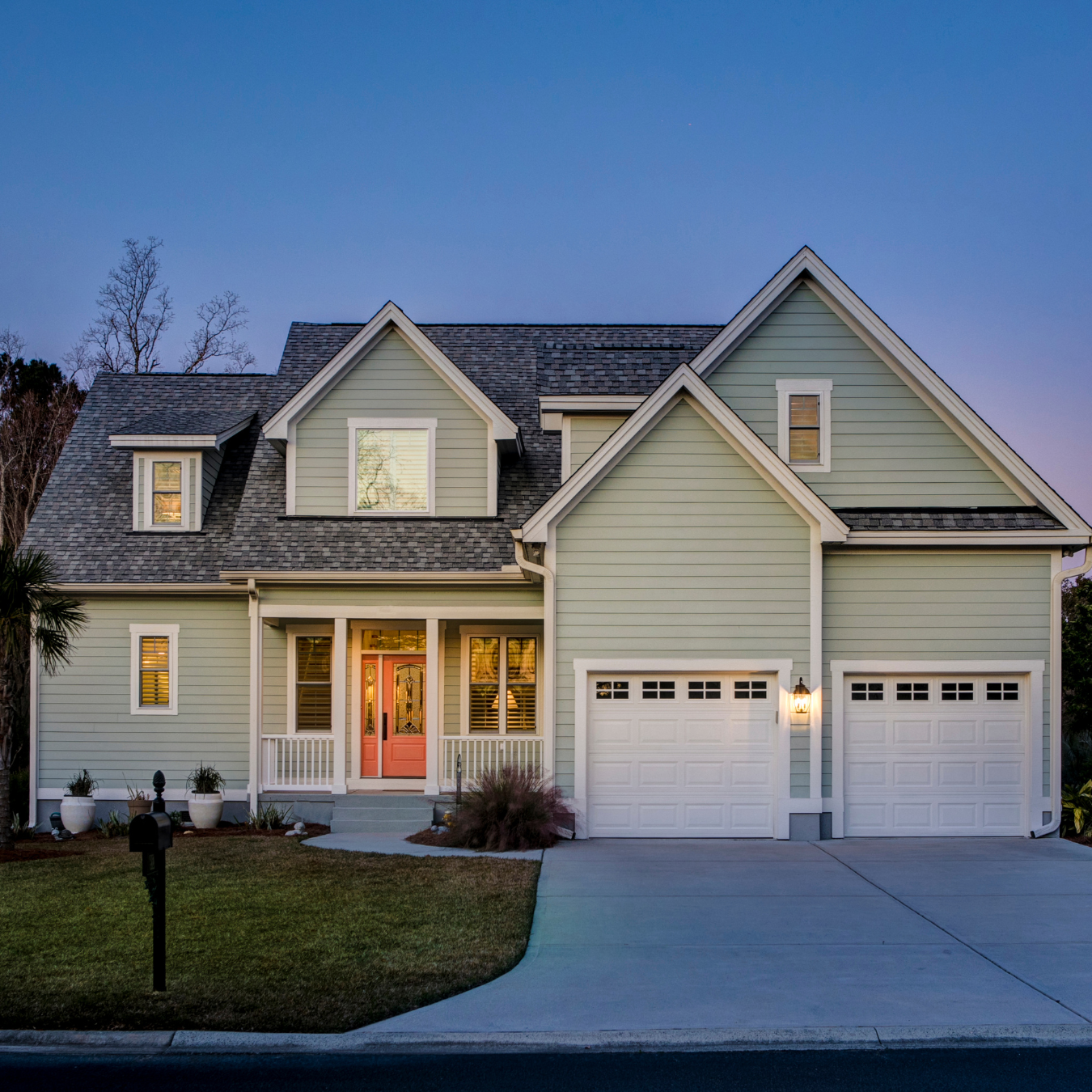
Beautiful slate roofing on a Maryland house
Other roofing materials, like synthetic shingles or asphalt “slate-style” shingles, try to copy the look, but the real thing always shines brighter. In upscale Maryland neighborhoods, slate will even boost property values because buyers know they’re getting a premium, long-lasting roof.
4. Low Maintenance (Compared to Other Roofs)
While slate roofs require careful handling during installation, they don’t need frequent replacement or patching. Asphalt shingles often need replacing every 20 – 30 years. Metal roofs last longer than that, but they still require upkeep. Slate roofs, on the other hand, need fewer repairs over the decades.
Most maintenance comes down to replacing the occasional broken slate tile and making sure the flashing (the metal around chimneys, vents, and valleys) is kept in good shape. If installed correctly, you won’t be calling your roofer nearly as often as your neighbors with shingle roofs.
The Cons of Slate Roofs
Now that we know the advantages, let’s take a look at the other side of the coin. Like every other roofing material, slate has its drawbacks, and it's important to know them before investing. Cons of slate include:
1. Fragile During Handling
Slate is a paradox: very strong once installed, but fragile during handling.
Dropping a single tile can crack it before it ever makes it onto your roof.
Walking on a slate roof after installation can easily break tiles if not done by someone with experience.
Repairs require extra care because removing one tile without damaging others can be tricky.
This fragility makes installation more labor-intensive, which leads us to the next con.
2. Complicated Installation and Repairs
Unlike asphalt shingles, which most roofers can install, installing slate roofs requires specialized training.
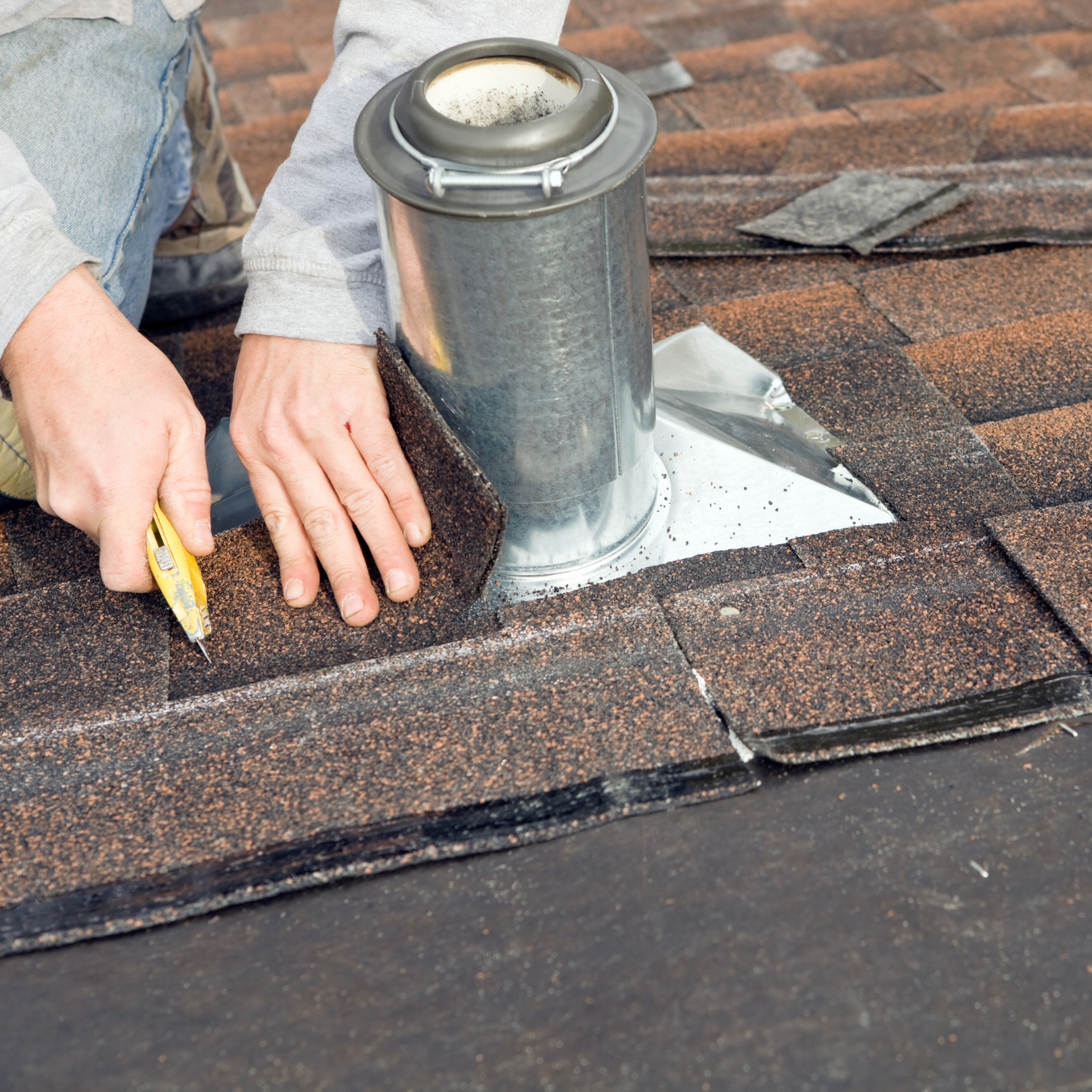
Maryland roofer installing slate roof shingles
It’s installed tile by tile, not in sheets or bundles.
Cutting and fitting tiles takes precision and extra care.
Repairs are time-consuming because replacing one piece can disturb the surrounding ones.
That’s why not every Maryland roofing company works with slate. You’ll need to find a roofer with specific slate experience, like Da’ Roofers.
3. Heavy Weight
Slate is extremely heavy — much heavier than asphalt, wood, or even metal. A slate roof can weigh 800 – 1,500 pounds per 100 square feet. Many existing homes in Maryland may not be built to handle that kind of weight.
That means structural reinforcements may be required, adding to the overall cost. Before starting a slate project, a structural engineer often needs to confirm that your home can support the load. This extra step can delay the project and increase expenses. If you already have a slate roof, be assured that you have the proper framing and structure to support it.
4. High Cost

Expensive slate roofing
Finally, the biggest drawback of slate…price. In Maryland, slate roofs usually go for $15 – $30 per square foot. With installation and possible structural support, it can cost even more. Compared to asphalt shingles, you’re paying at least 4 times more.
That said, many homeowners justify the cost by factoring in the lifespan. If you buy asphalt shingles four times over 80 years, slate may not seem quite as expensive in the long run.
Slate Roofs in Maryland: When They Make Sense
So, who should actually consider a slate roof in Maryland?
Historic homeowners: If you live in a Maryland home with historic value, slate can preserve the authentic look.
Upscale neighborhoods: In parts of Bethesda or Chevy Chase, slate roofs fit the character of the homes.
Long-term homeowners: If you plan to stay in your house for decades, slate makes more sense than if you’re selling in a few years.
For everyone else, synthetic slate or high-end asphalt shingles may be a more practical option.
Alternatives to Slate Roofing
If you love the look of slate but not the price or weight, here are some alternatives Maryland homeowners can consider:
Synthetic slate shingles: They're made from rubber or plastic composites, and mimic the look of slate at a fraction of the cost. They’re also lighter and easier to install.
Metal roofing: They’re durable, long-lasting, and available in styles that mimic traditional roofing. It’s also lighter than slate.
Architectural asphalt shingles: While they're not as premium, high-end asphalt shingles can also give your home a stylish look without breaking the bank. Want to compare all your options side by side? Check out our full guide to choosing durable roofing materials for your Maryland home.
Final Thoughts
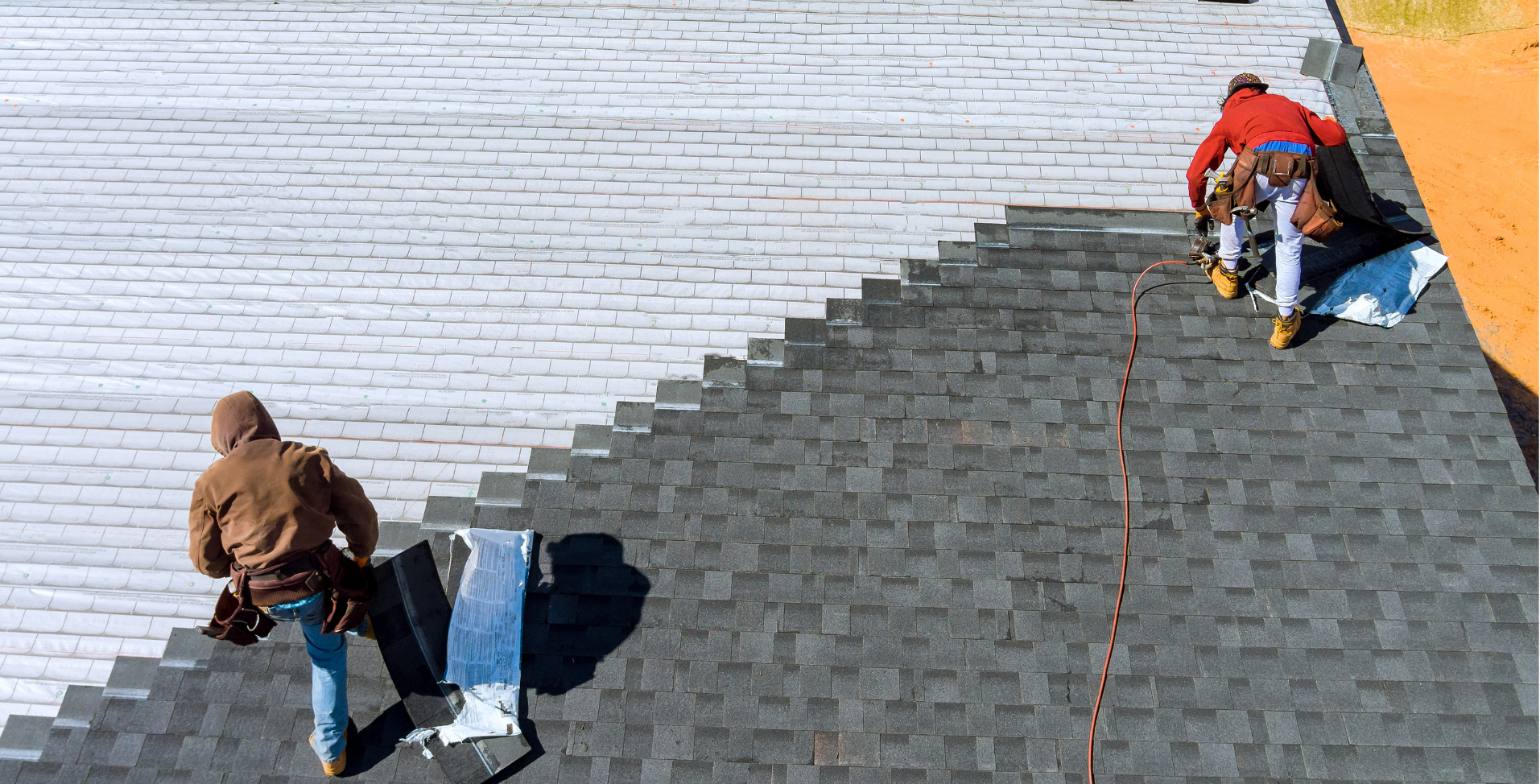
Long-lasting slate roof with skilled installation in Maryland
A slate roof is one of the most beautiful and long-lasting roofing materials you can put on your home in Maryland. It stands up to the weather, adds unmatched curb appeal, and can last for generations. But it also comes with challenges: high costs, extra weight, and the need for skilled installation.
If you’re considering slate, talk to a local Maryland roofing contractor, like Da’ Roofers. We’ll inspect your home, confirm if it can handle the weight, and help you decide whether slate, or a more affordable alternative, fits your needs.
FAQs
1. How long does a slate roof last?
A slate roof can last 75 – 100 years or more with proper installation and maintenance. It's the roofing material with the highest lifespan expectancy.
2. Is slate roofing too heavy for my house?
Possibly, but you can't be sure until an expert checks it out. Many homes in Maryland require structural reinforcement before slate can be installed.
3. Is slate worth the high cost?
That depends on what you are going for. For homeowners who want beauty, durability, and longevity, yes. But if budget is a concern, alternatives like synthetic slate or metal may be better.
4. Can slate roofs be repaired?
Yes, they can be repaired. But repairs are complicated and should only be done by roofers experienced with slate.
5. Does slate roofing come with a warranty?
Slate tiles typically don’t come with manufacturer warranties since they’re natural stone. That means you’ll have to rely on your roofing contractor’s workmanship warranty.
