

Seasonal Roof Care Tips: Preparing for Winter, Spring, Summer, and Fall

Seasonal roof care tips for winter, spring, summer, and fall in Maryland
Your roof goes through a lot throughout the year; from freezing snow to humid summers to stormy falls. Each season in Maryland brings its own challenges, so it’s smart to stay one step ahead. Regular seasonal care keeps your roof sturdy, leak-free, and looking great no matter what Mother Nature throws at it.
So, how do you prepare your roof for each Maryland season? It's simple: by tailoring your maintenance to the weather. In winter, focus on insulation and snow removal. In spring, inspect and repair after a harsh cold. In summer, manage heat, humidity, and storm damage. And in the fall, clear out leaves and check for issues before freezing temperatures return.
Each season demands its own attention, and together, they form a complete year-round protection plan for your roof. Here’s a season-by-season guide to help you keep your roof in shape all year long.
Winter: Shield Against Snow and Ice
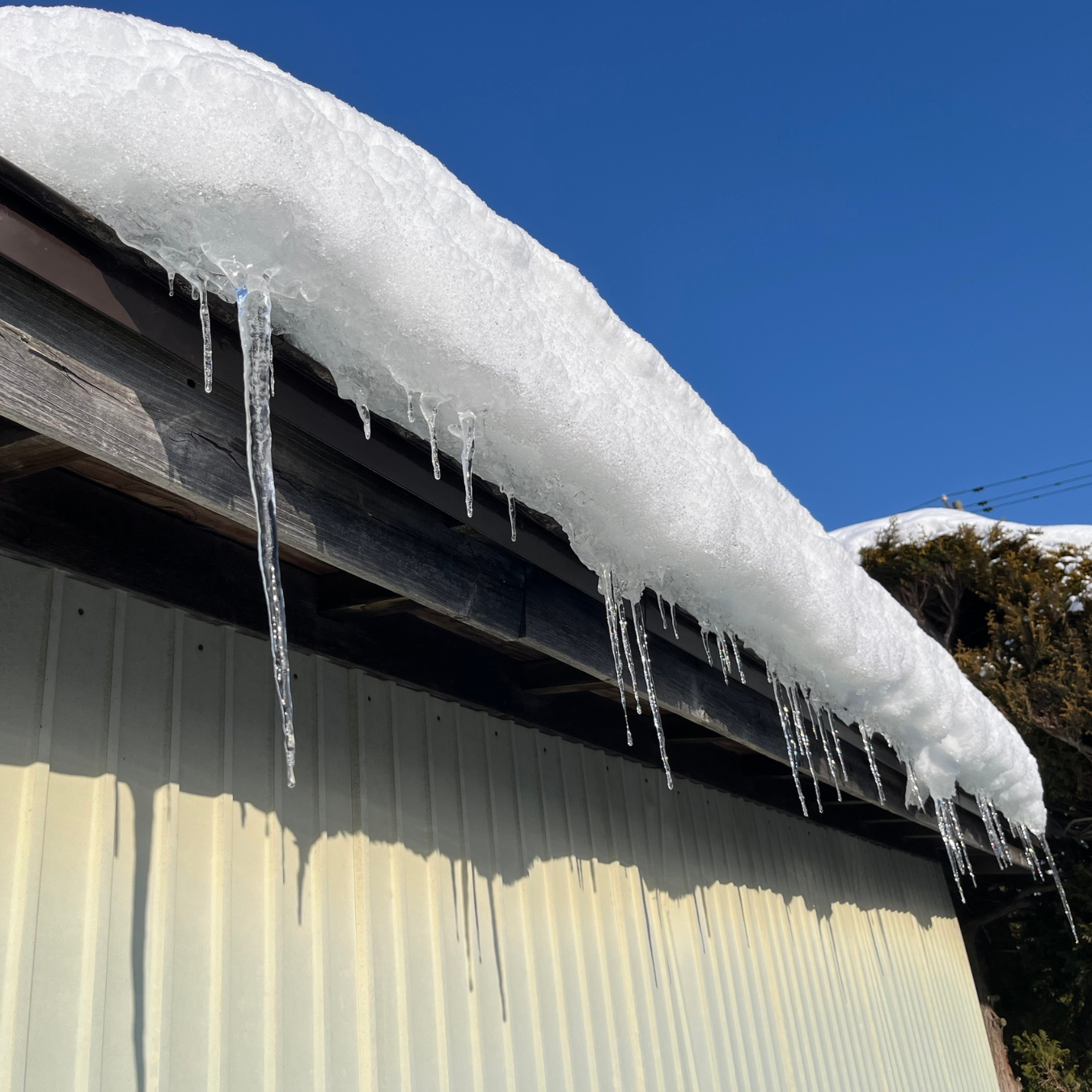
Snow-covered roof in Maryland during winter
Winters in Maryland can be harsh, with snow, ice, and freezing rain weighing heavily on roofs. The goal here is prevention; stopping moisture from seeping in or ice from building up.
Winter care tips:
Clear gutters before the first snow. Clogged gutters cause ice dams that back water up under shingles.
Check insulation and ventilation. Poor attic insulation leads to uneven heating, which encourages ice dams.
Remove heavy snow safely. Use a roof rake or call a pro. Never climb a slippery roof.
Inspect for leaks after storms. Even small drips can quickly freeze, expand, and worsen damage.
A roof that’s winter-ready can handle snow loads, keep your home warm, and prevent costly leaks during the coldest months.
Spring: Time for Inspection and Repair
After the cold, spring is all about recovery and inspection. The freeze-thaw cycle can crack shingles, loosen flashing, and clog gutters with leftover debris.
Spring care tips:
Do a visual roof check. Look for cracked, curling, or missing shingles.
Clean out gutters and downspouts. Winter debris can block drainage.
Check flashing and vents. Seal gaps where leaks could form.
Trim branches. Overhanging limbs can scrape or puncture shingles in spring storms.
This is also a great season to schedule a professional roof inspection. A quick once-over now can prevent bigger issues when the summer heat sets in. Click here to find out more about how often you should get your roof inspected.
Summer: Protect Against Heat and Storms
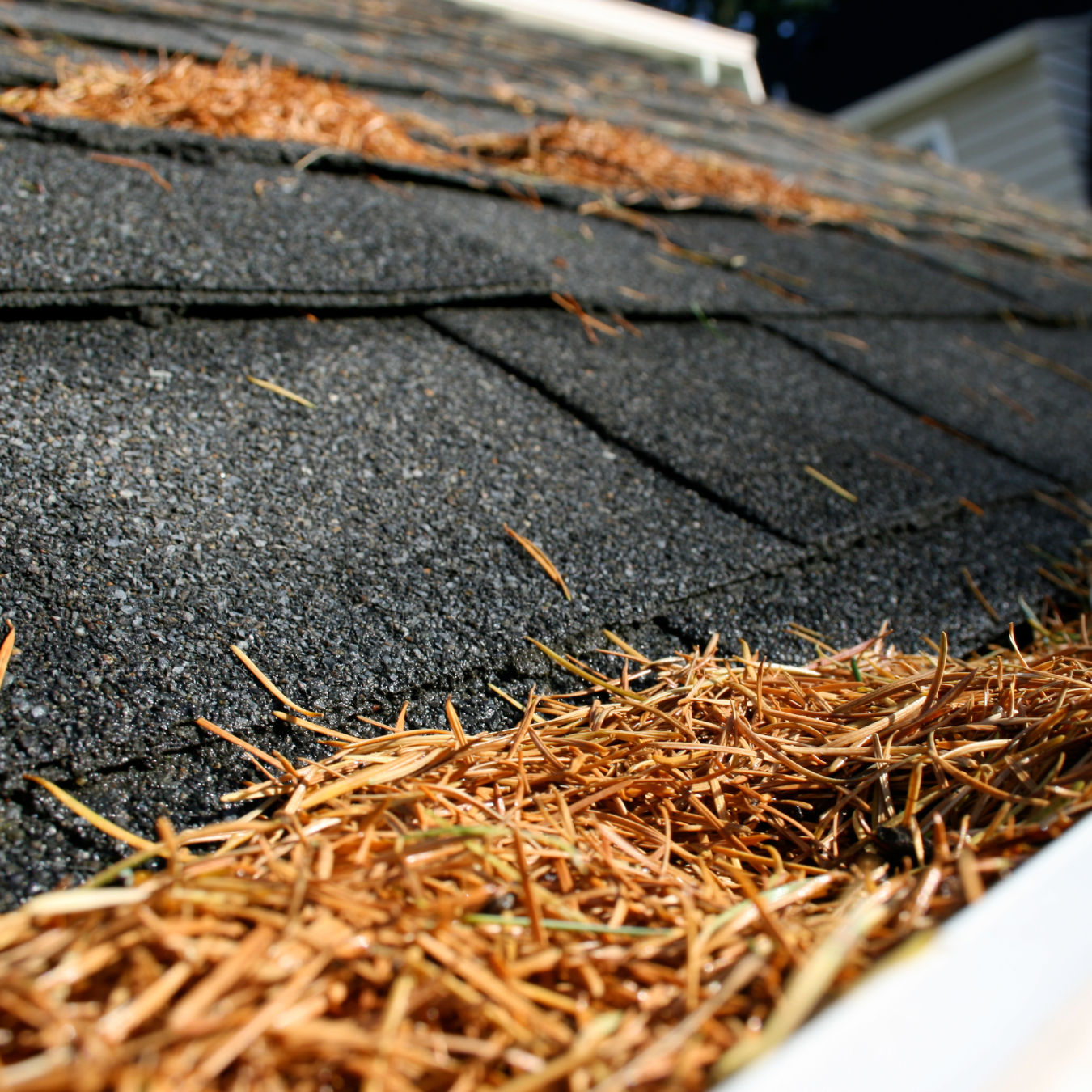
Roof gutters filled with leaves in springtime in Maryland

Maryland home with well-maintained roof in summer sunlight
Maryland’s humid summers are no joke. High temperatures can dry out roofing materials, while sudden thunderstorms test your roof’s drainage.
Summer care tips:
Inspect for heat damage. Look for warped shingles or soft spots on flat roofs.
Clean vents and attic fans. Proper airflow helps regulate attic temperatures and prevent moisture buildup.
Check gutters again. Summer storms bring debris that blocks runoff.
Watch for algae or moss. Warm, moist conditions can cause growth in shaded roof areas.
Secure loose flashing. High winds from storms can lift or tear it off.
Taking these steps helps your roof stay cool and withstand summer’s humidity and storms.
Fall: Prepare for the Cold Months Ahead
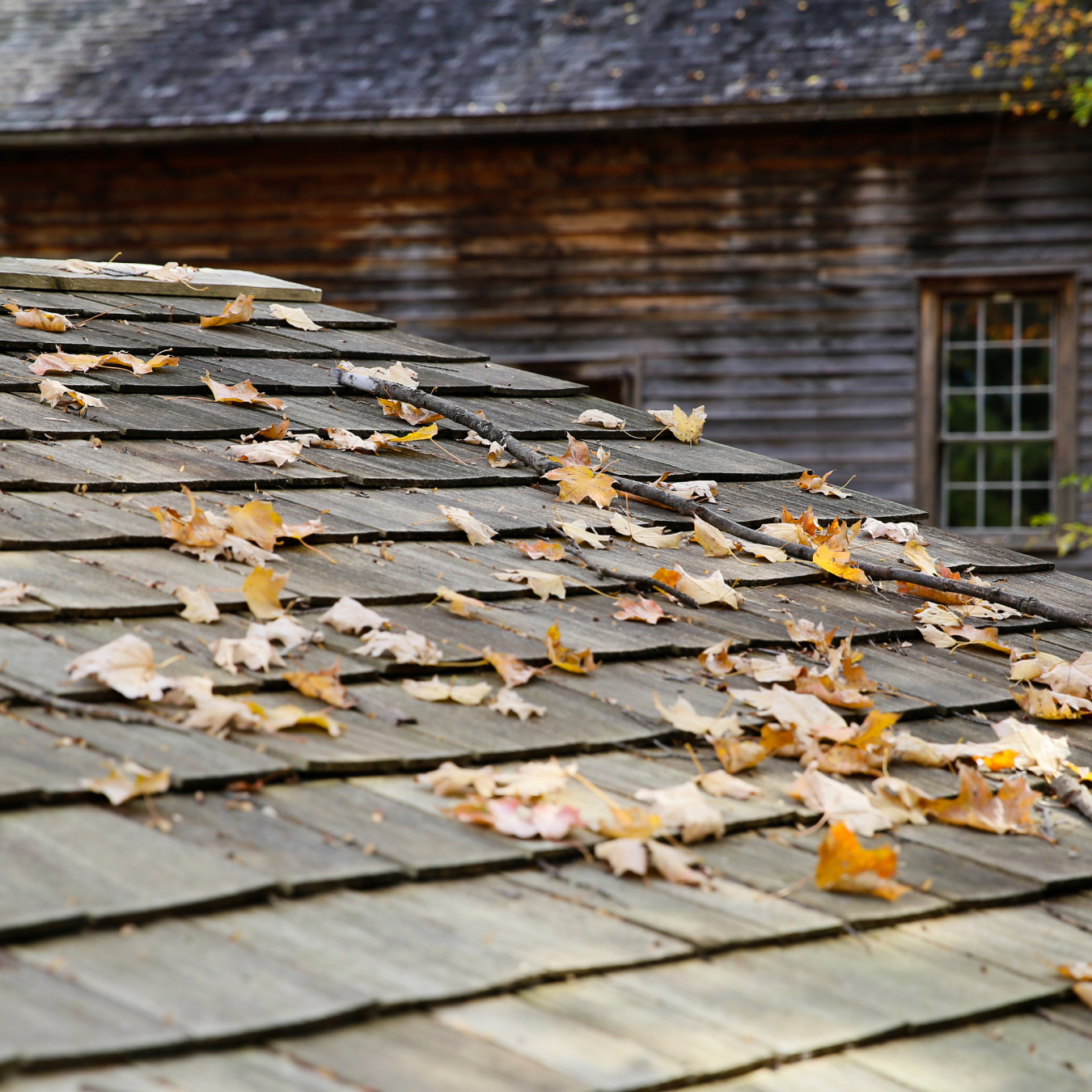
Maryland roof covered in autumn leaves
Fall in Maryland is beautiful, but it’s also your last chance to get your roof winter-ready. Falling leaves and early rain can clog gutters and trap moisture, so clean-up and inspection are key.
Fall care tips:
Clean gutters and downspouts. Leaves, twigs, and dirt can cause overflow and rot.
Check shingles and flashing again. Any damage should be fixed before freezing weather sets in.
Install gutter guards. They help reduce buildup through winter.
Inspect the attic. Look for damp spots, mold, or daylight peeking through the roof boards.
Trim nearby trees. Winter storms can bring down branches onto your roof.
Prepping in fall means you’ll head into winter confident your roof can handle what’s coming.
Year-Round Bonus Tips
Schedule a professional inspection twice a year; once in spring, once in fall.
Keep your gutters clean every season. It’s one of the simplest ways to extend your roof’s lifespan.
Check for leaks after every major storm. Early detection always saves money.
Don’t ignore small problems. A loose shingle today can mean water damage tomorrow.
Why Seasonal Care Matters in Maryland
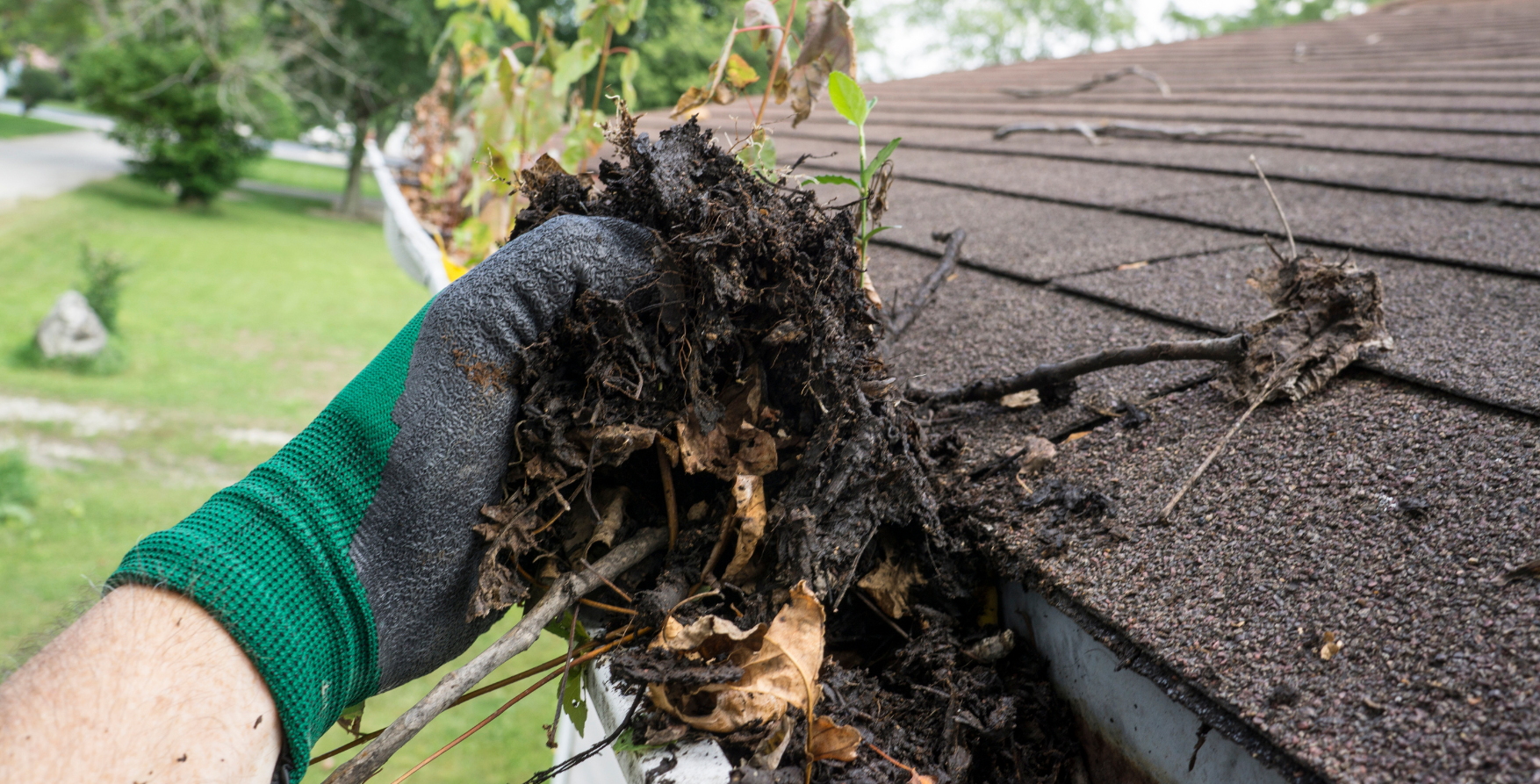
Cleaning roof gutters during seasonal maintenance in Maryland
Maryland’s weather swings from humid summers to icy winters, putting extra stress on roofing systems. By tailoring maintenance to each season, you can:
Catch small issues before they turn costly.
Keep insulation and ventilation working properly.
Extend your roof’s lifespan by years.
Maintain your home’s curb appeal and energy efficiency.
In short: a little seasonal effort goes a long way toward protecting your home’s biggest shield: your roof.
Final Thoughts
Your roof doesn’t just need care when something goes wrong — it needs attention all year round. By following these seasonal tips, you’ll keep your Maryland home protected from leaks, mold, and structural damage while avoiding big repair bills down the line.
Think of roof maintenance as seasonal insurance; a few hours of care each quarter to guarantee peace of mind all year long. If some repairs need to be done, you get to see them early and call a local roofer, like Da’ Roofers, to save da’ day before the next season.

Professional Maryland roof cleaning before seasonal changes
FAQs
1. How often should I inspect my roof in Maryland?
At least twice a year; ideally once in spring and once in fall, and after major storms.
2. What’s the most common roof issue during Maryland winters?
Ice dams and leaks caused by poor insulation or clogged gutters are the most common roof problems during winter.
3. Should I clean my own gutters or hire a pro?
If your roof is steep or high, it’s safer to hire a professional. Otherwise, careful DIY cleaning twice a year is fine. But never climb up if your roof is wet and slippery.
4. How can I prevent moss or algae on my roof?
Trim trees for better sunlight, and consider zinc or copper strips that naturally inhibit growth.
5. Is it worth getting a roof inspection after a summer storm?
Yes. Even small wind or hail damage can lead to leaks if not fixed right away. Always get your roof checked after a storm.
