

Signs of Roof Wear and Tear Every Homeowner Should Watch For
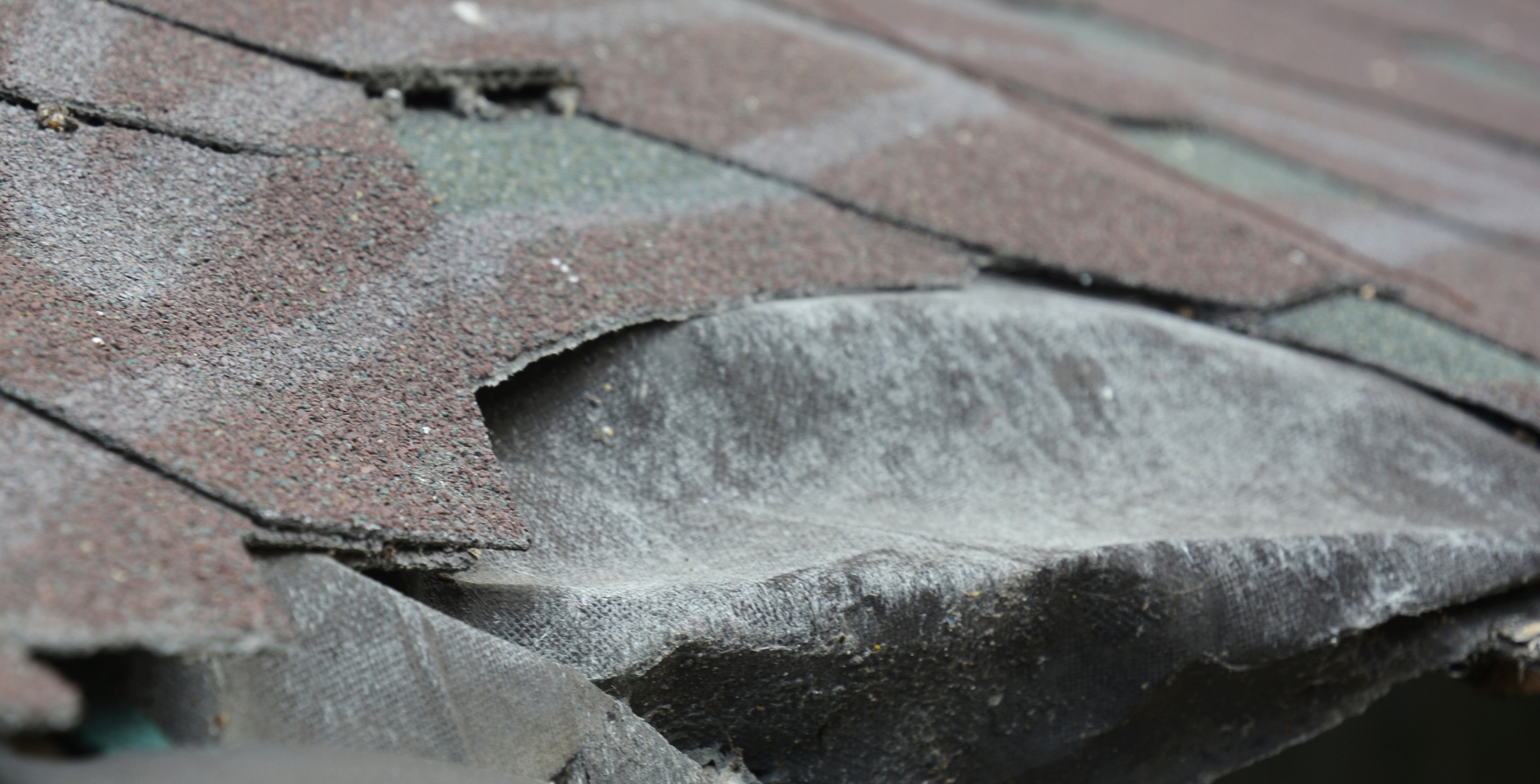
Close-up of Maryland roof showing signs of wear and tear
If you live in Maryland, you already know how unpredictable the weather can be. One week it’s blazing hot, the next it’s storming like it’s hurricane season. Over time, that mix of heat, rain, wind, and humidity takes a toll on your roof (no matter what type you have).
Your roof won’t suddenly collapse overnight, but it will show warning signs long before major damage sets in. The trick is knowing what to look for early so you can fix small issues before they become big, expensive ones.
These signs of wear and tear include:
Curling or missing shingles
Granules in the gutters
Dark stains or streaks on the roof
Sagging roof deck
Interior leaks and water stains
Flashing damage around chimneys or vents
Rising energy bills
Moss, lichen, or mold growth
Rusted roof components
Here's more on the most common signs of roof wear and tear every Maryland homeowner should watch for.
1. Curling or Missing Shingles
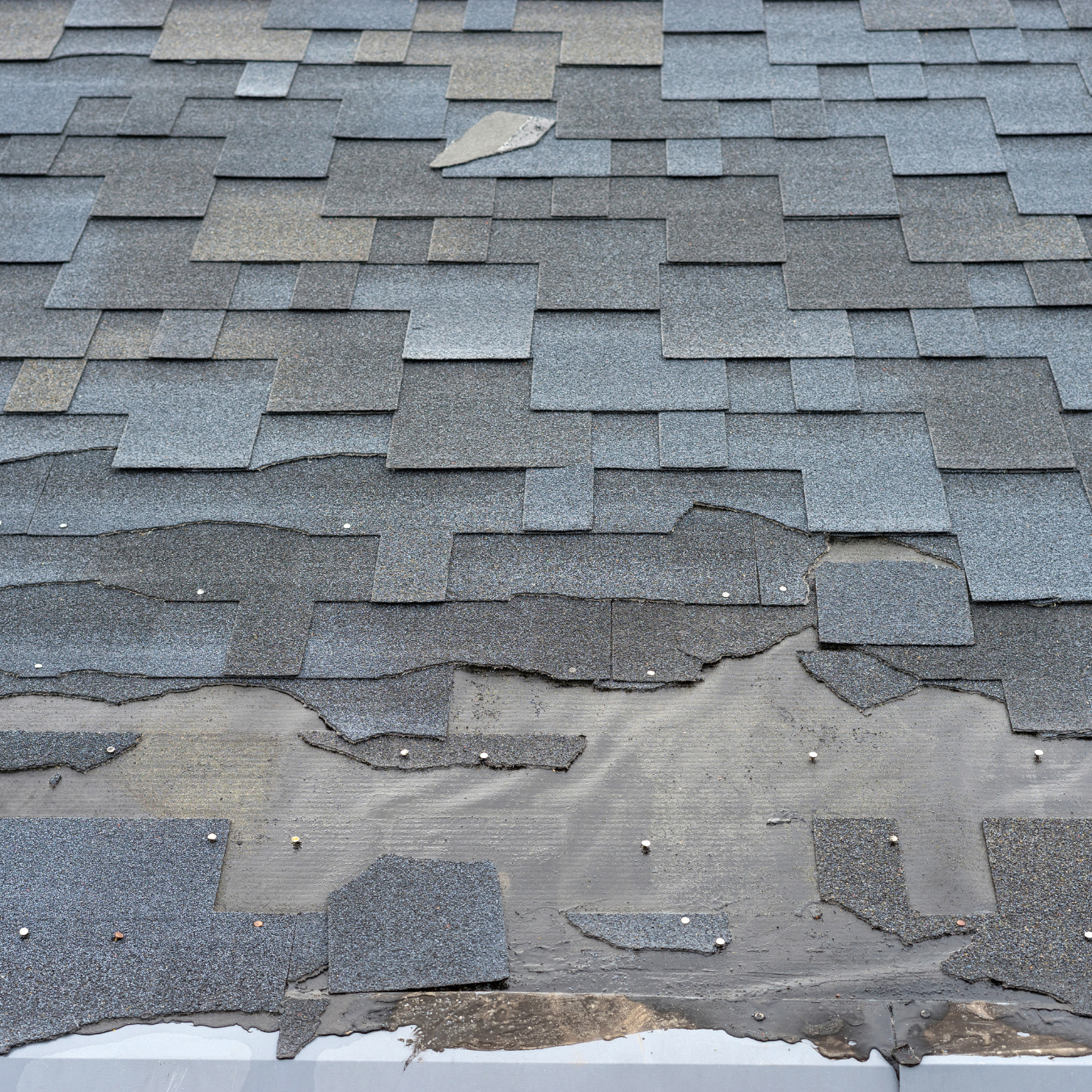
Damaged shingles on a residential roof in Maryland
Shingles that curl, crack, or go missing are some of the easiest signs to spot with a deteriorating roof. This often happens as roofs age or after repeated exposure to heavy rain and strong winds, something Maryland gets plenty of.
If you notice edges curling upward or corners missing, your shingles are losing their protective layer. That leaves your roof vulnerable to leaks, especially during storms.
2. Granules in the Gutters
When you clean your gutters and see a bunch of tiny, sand-like granules, that’s your shingles breaking down. Those granules are what protect your roof from UV damage. Once they start washing away, your shingles wear out faster. Think of it as your roof’s version of losing sunscreen; it’s a clear sign it’s aging.
3. Dark Stains or Streaks on the Roof
If you see black streaks or dark patches on your roof, that’s usually algae or moss growth. It’s common in humid Maryland areas, especially near trees or shaded spots.
While it might seem cosmetic, algae can actually hold moisture against the roof surface, leading to rot and deterioration over time.
4. Sagging Roof Deck
This one’s serious. A sagging roofline means water damage or weakened supports underneath the shingles. It might start as a small dip you barely notice, but once sagging begins, it can spread quickly. If you ever see your roofline bending or uneven, call a roofing professional immediately. That’s not something to wait on.
5. Interior Leaks and Water Stains
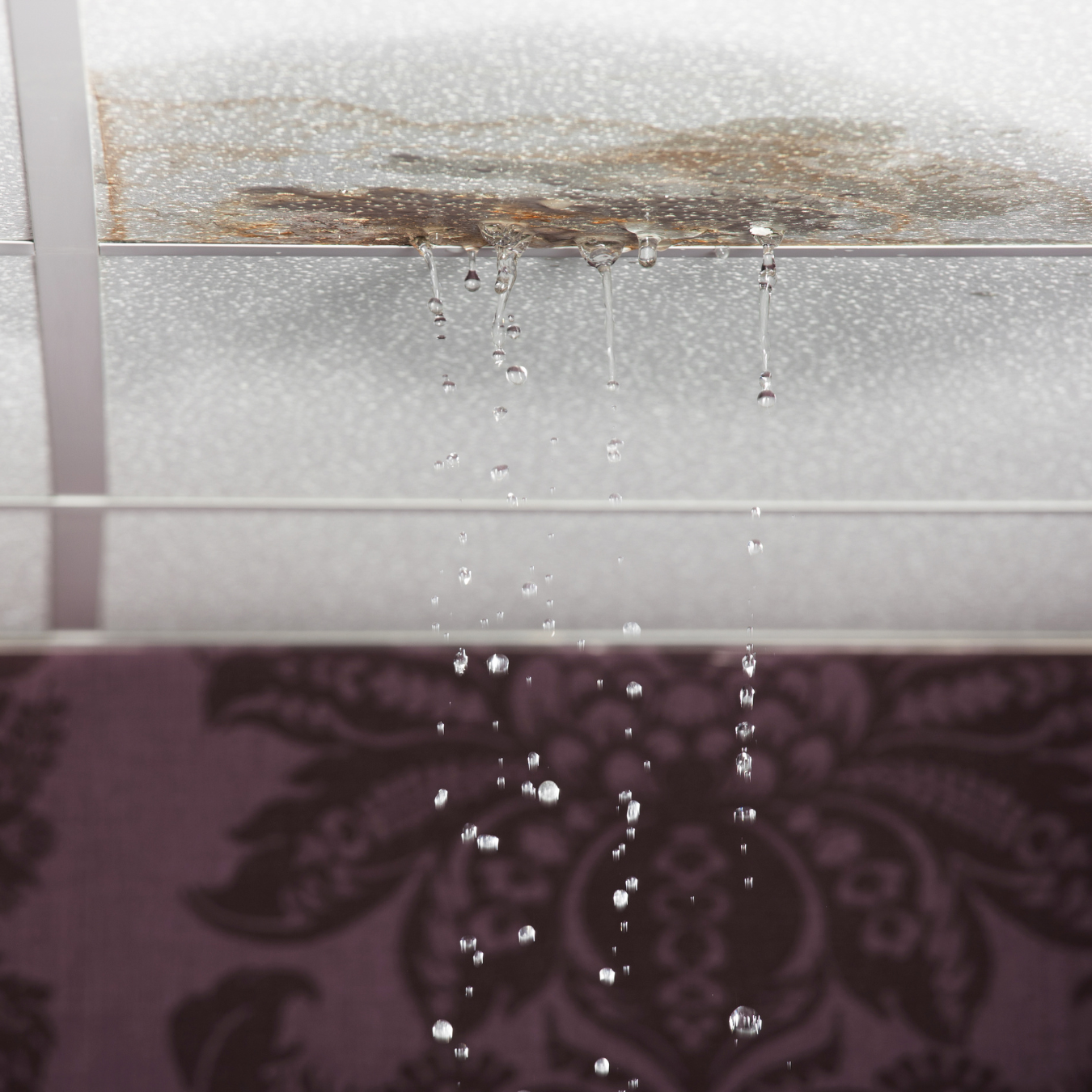
Water damage signs on interior ceiling and walls
Check your attic or ceilings for water stains, dark spots, or damp insulation. These are usually signs that water’s sneaking in through the roof. Even a tiny leak can travel along beams or drywall, showing up far from the actual entry point. Catching leaks early is key. Once water starts soaking the insulation or ceiling boards, the damage multiplies fast.
6. Flashing Damage Around Chimneys or Vents
Flashing (the thin metal strips around chimneys, vents, and skylights) keep water out of the tricky corners of your roof.
When flashing cracks, rusts, or peels back, leaks aren’t far behind. Maryland homes that face harsh temperature shifts often see flashing separate from the roof seal over time. A quick inspection after storms can save you a lot of hassle later.
7. Rising Energy Bills

Homeowner frustrated over rising energy bills from poor roof insulation
Your roof doesn’t just protect against rain; it also insulates your home. If you’ve noticed your heating or cooling bills climbing for no clear reason, your roof might be losing its thermal efficiency. Damaged or missing shingles, poor ventilation, and leaks can all make your HVAC system work overtime.
8. Moss, Lichen, or Mold Growth
A little green on your roof might look rustic, but it’s not a good sign. Moss and lichen trap moisture and slowly break down shingles. In Maryland, where humidity levels spike during summer, roofs that don’t get enough sun are especially at risk. Once you notice moss spreading, it’s best to have a professional clean it safely (don’t try scraping it off yourself).
9. Rusted Roof Components
For metal roofs or those with metal flashings, rust is another tell-tale of wear. Rust weakens the structure and can lead to holes or leaks. If you notice brownish-orange stains or flaking metal, address it quickly. In many cases, small rust spots can be treated before they spread.
10. Roof Age
Sometimes, the biggest warning sign isn’t visible; it’s the roof’s age itself. Most asphalt shingle roofs last around 20–25 years, while metal or tile can stretch much further. If your roof is approaching 2 decades or past that range, start thinking about replacement, especially if it’s showing any of the signs above. A good local roofer, like Da’ Roofers, is best for roof replacements as they understand the region better and are readily available.
Watch for Storm Aftermath Damage
Because Maryland often faces strong winds, heavy rain, and the occasional snowstorm, it’s smart to check your roof after major weather events.
Look for debris buildup, missing shingles, or any dents caused by hail. These issues may seem minor but can create long-term leaks if ignored.
What to Do if You Spot Roof Damage
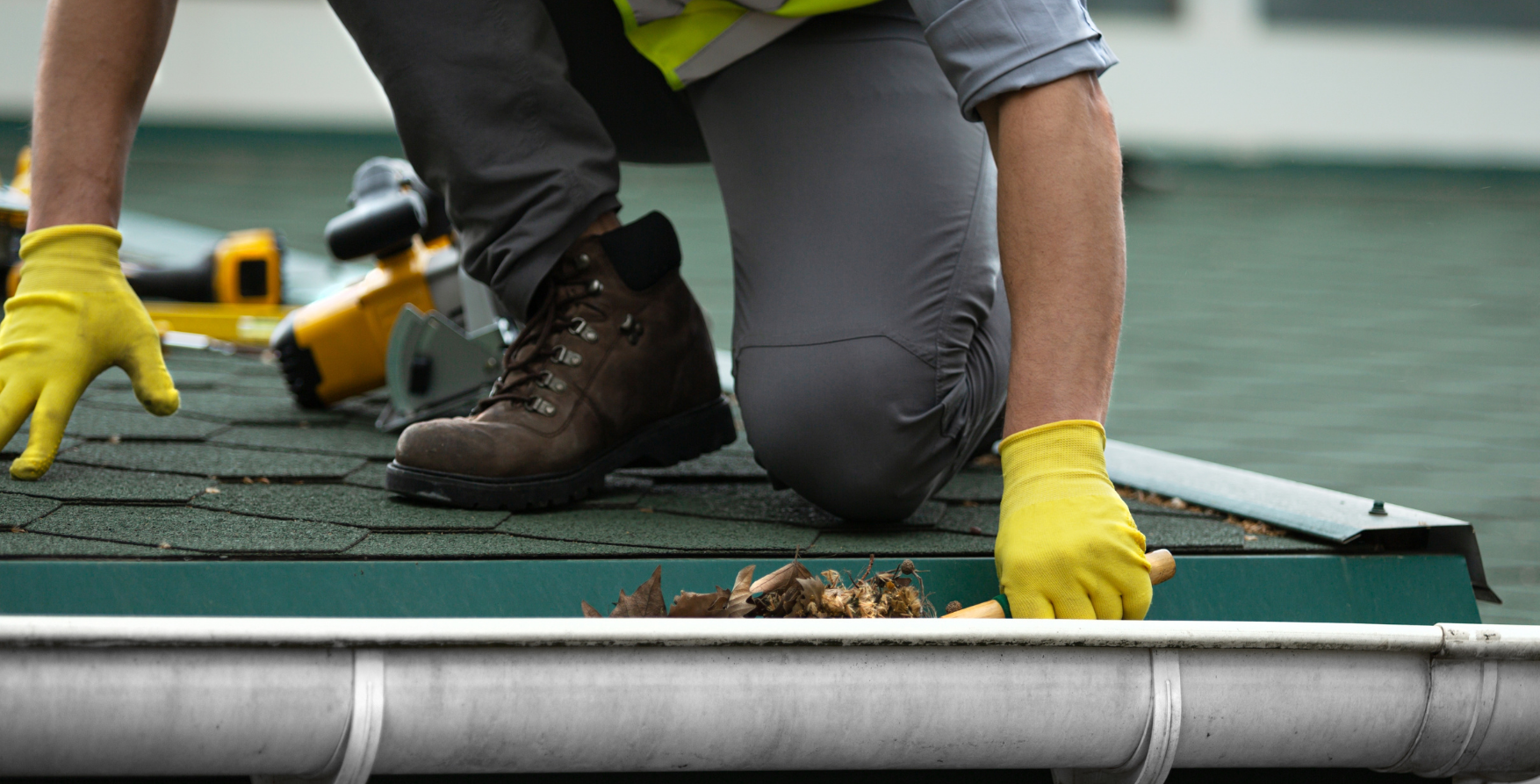
Preventing damage by inspecting roof during gutter cleaning
Inspect safely – Use binoculars from the ground or hire a roofer for a detailed inspection.
Clean gutters – Clear out leaves and debris regularly so water drains properly.
Act fast – Small leaks can turn into major water damage within weeks.
Schedule maintenance – A professional checkup once a year can help catch early wear before it spreads.
Final Thoughts
Your roof is one of the most important parts of your home, and one of the easiest to overlook until something goes wrong. Maryland’s wild weather doesn’t make it any easier, but staying alert to early warning signs can save you a ton in repair costs.
If you start spotting, curling shingles, sagging lines, or stains on your ceiling, don’t ignore them. Roof damage rarely fixes itself, and quick action is the best way to protect your home (and your wallet). A healthy roof isn’t just about keeping you dry; it’s about peace of mind. Check out our article to know signs you need a new roof.
FAQs
1. How often should I inspect my roof in Maryland?
Twice a year is ideal; once in spring and again in fall. Maryland’s changing seasons can cause quick wear, especially after heavy rain, wind, or snow. Always check your roof after major storms too.
2. Can a small roof leak fix itself?
No. Leaks never fix themselves. Even small ones get worse over time as water seeps through insulation and wood. Fixing them early saves you from mold, ceiling stains, and structural damage.
3. What causes roof damage in Maryland?
The biggest culprits are weather extremes — strong winds, heavy rain, snow buildup, and summer humidity. Over time, these conditions cause shingles to crack, loosen, or rot.
4. How long does a roof usually last?
Most asphalt shingle roofs last about 20–25 years. Metal, tile, or slate roofs can last much longer with regular maintenance. But climate, ventilation, and upkeep (or lack there of) all affect lifespan.
5. What should I do if I see moss or dark streaks on my roof?
Don’t try to scrape it off. Instead, hire a professional roofer who can clean it safely. Moss holds moisture that weakens shingles, and improper cleaning can do even more damage.
6. Can I walk on my roof to inspect it myself?
It’s not recommended. Roofs can be slippery or unstable, especially if damaged. Use binoculars from the ground or hire a roofing professional to check safely.
